



Life moved at a steady pace, with bustling markets, family-owned shops, and local businesses forming the backbone of the community. The town’s industrial roots were still strong, with factories and mills providing employment for many residents.
The streets were filled with the sights and sounds of everyday life: children playing in the parks, families gathering at local cinemas, and the iconic red buses trundling along the cobbled roads. Avenham and Miller Parks were popular spots for leisurely strolls, while the newly built Preston Bus Station began to hint at the town’s future development.
The late 1950s also saw a rise in social activities, with dance halls and music venues drawing crowds eager to enjoy the latest rock 'n' roll hits. Preston North End remained a source of local pride, with fans flocking to Deepdale Stadium on match days.
This was a time when community spirit thrived, and the town’s historic buildings and landmarks stood as proud symbols of its resilience. In the following collection, we take a nostalgic look at Preston in the late 1950s through a series of archive images.
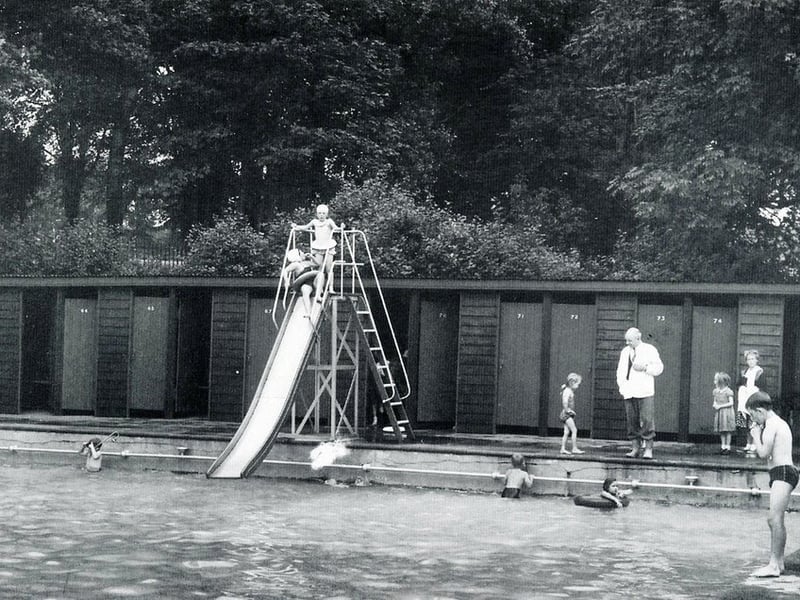
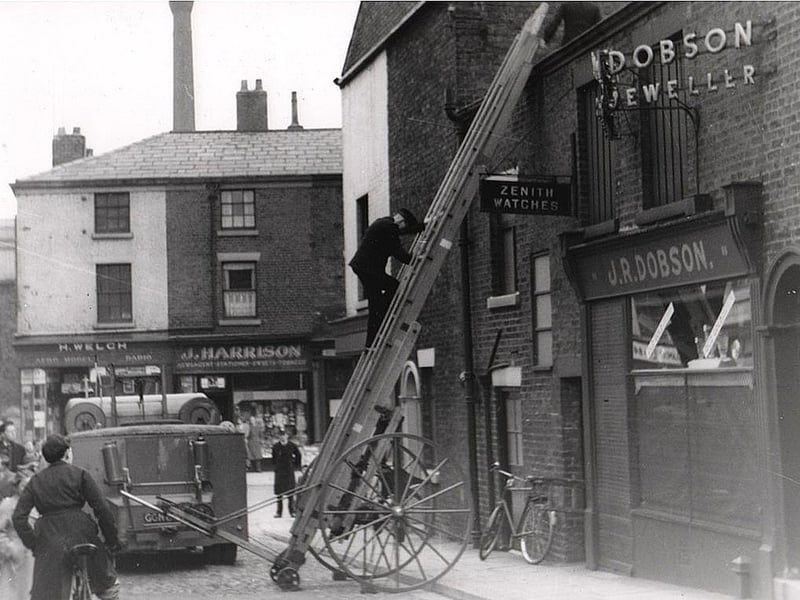
10. Guys Row / Church Street, Preston c. 1958 Image courtesy of Bernie Blackburn. Thanks to Flickr member Made in Preston for confirming the location.
National World
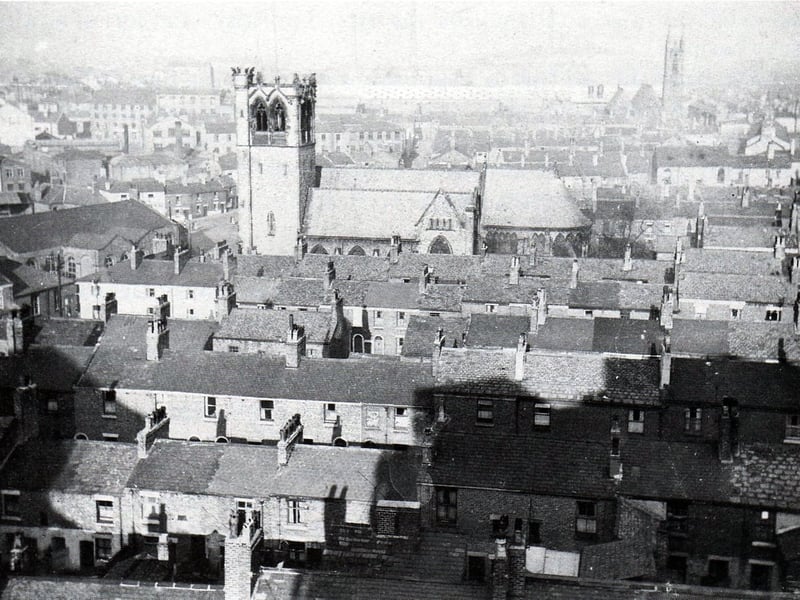
11. Avenham, Preston c.1958 St. James' Church on Avenham Lane dominates the centre of the image.
National World
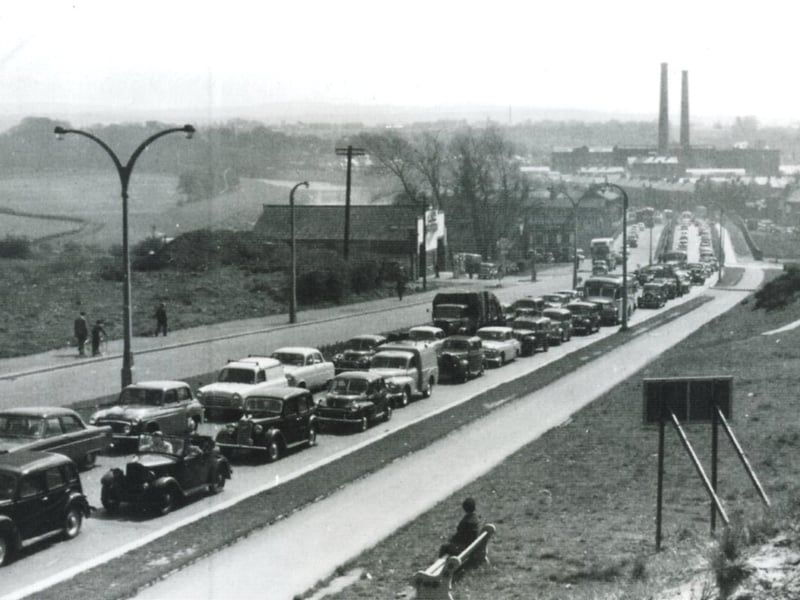
12. Traffic congestion is a major concern for many people in Lancashire today, but even in the 1950s, motorists could find themselves stuck in a queue â as we see with the above photo showing London Road, Preston in 1959. Despite widening both the bridge and road in 1938, traffic jams continued to be a problem, even after the new Preston Bypass (M6) was opened in 1958. Until the M55 was completed in 1975, this was still the preferred route to Blackpool. Picture courtesy of Preston Digital Archive
National World