
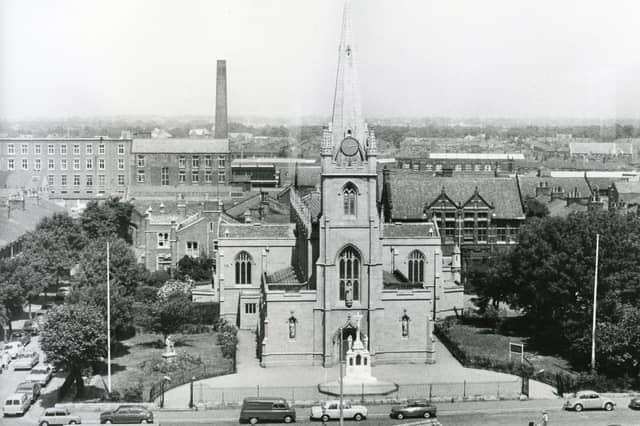


Boasting some of the oldest structures in the North West, the city has quite the past, as demonstrated by the number of listed buildings across Preston and the surrounding areas.
And so here are some of the area’s most outstanding examples – both Grade I and Grade II listed buildings – which have garnered special interest over the decades for their unique histories.
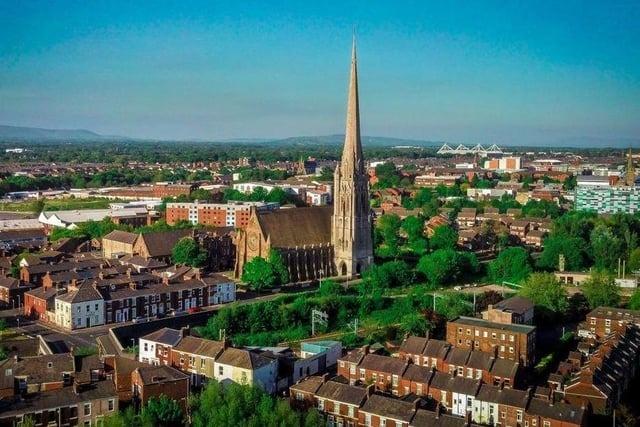
9. Preston's historic listed buildings
St Walburge: One of the most iconic buildings in Preston is definitely St Walburge's Church. Of course, we all know it is famous for having the tallest spire of any parish church in England. It is this feature, and many others, that contribute to the Roman Catholic church being given Grade I listed status. David Garrard, the historic churches adviser of the Victorian Society said of St Walburge's: "An outstanding building by an ingenious and imaginative architect, St Walburge’s is one of Preston’s greatest historic buildings. It was built to express the pride and confidence of the Roman Catholic community after legal restrictions on religious observance were lifted in the 19th century." Photo: RETRO
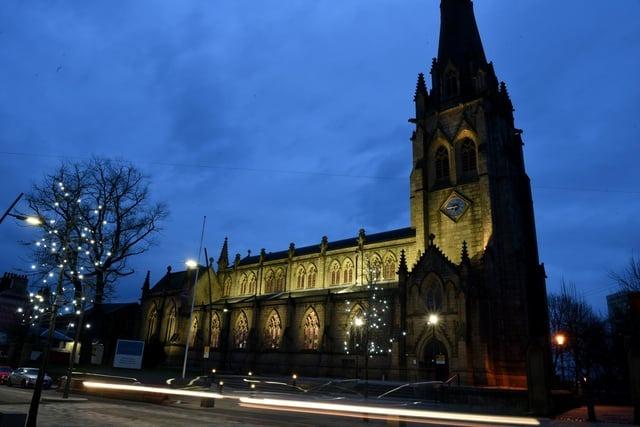
10. Preston's historic listed buildings
Preston Minster: Preston Minster Church - a Grade II* listed building - looks spectacular lit up against an evening backdrop Photo: RETRO
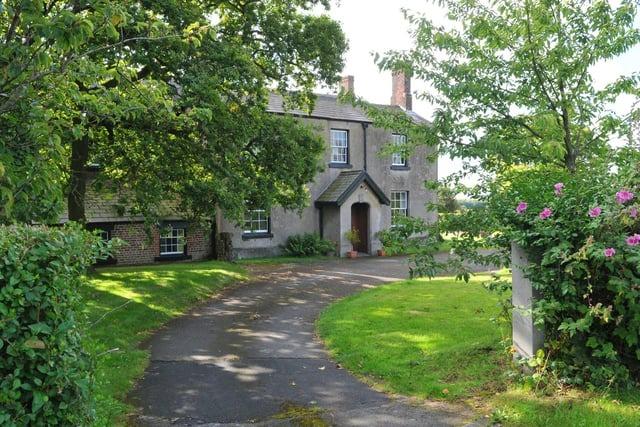
11. Preston's historic listed buildings
Old Lea Hall Farm: Considering other Grade I listed structures, it might seem surprising that this less grand farmhouse is held in the same esteem as the Harris Museum and the War Memorial. Old Lea Hall Farm is a farmhouse, adapted from the only surviving domestic range of a late-medieval manor house of the de Hoghton family (probably in the late 17th century or early 18th century). The 17th century farm barn found here is where William Shakespeare is supposed to have worked in at some point in his life. Another tale attached to Lea Hall Farm is that the Hoghton family apparently regarded Lea as their principal residence until Hoghton Tower was built in the later 16th century. Accounts of a feud in 1589, when Thomas Hoghton was killed in a 'great affray' there, refer to 'the outer court of the manor house' Photo: RETRO
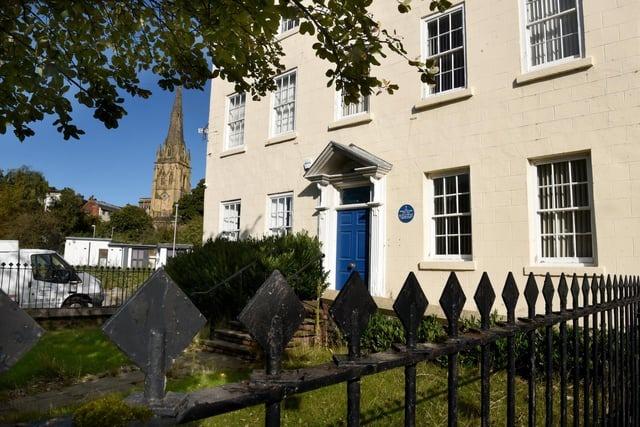
12. Preston's historic listed buildings
Arkwright House: Arkwright House in Avenham is a rather unimposing building, but its importance lies in its providence. The house was built in 1728, and was later expanded and restored. It is notable as the place in which Richard Arkwright and colleagues worked in 1768 to develop the water frame, a machine for spinning yarn. The house is an example of Georgian architecture, and is recorded as a Grade II* listed building Photo: RETRO