
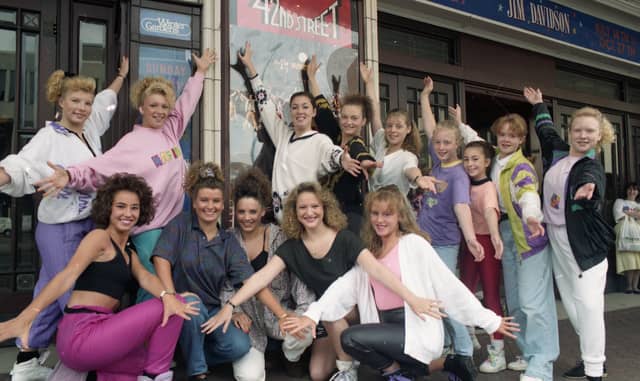


Preston, known for its textile and engineering industries, was beginning to see shifts as these traditional sectors faced decline. The town center remained a hub of activity, with bustling markets, local shops on Fishergate, and the iconic Preston bus station as a landmark of daily life.
Meanwhile, education and culture were gaining prominence, with the continued growth of the University of Central Lancashire.
Chorley, with its roots in agriculture and textiles, was also adapting to the times. The town’s community spirit was evident in its thriving local markets and the popularity of Astley Park, where families gathered for leisure. The 1990s saw the start of significant housing developments in Chorley, as the town expanded to accommodate a growing population.
Both towns were marked by a strong sense of community, with local sports clubs, schools, and social events playing central roles in daily life. The era was one of transition, with new opportunities emerging alongside the cherished traditions of the past.
Get a bespoke headline round-up, as well as breaking updates, when you sign up to the The Lancashire Post’s free emails
In the following collection of archival images, we revisit Preston and Chorley in the early 1990s, capturing the everyday moments and changing landscapes of this dynamic period.
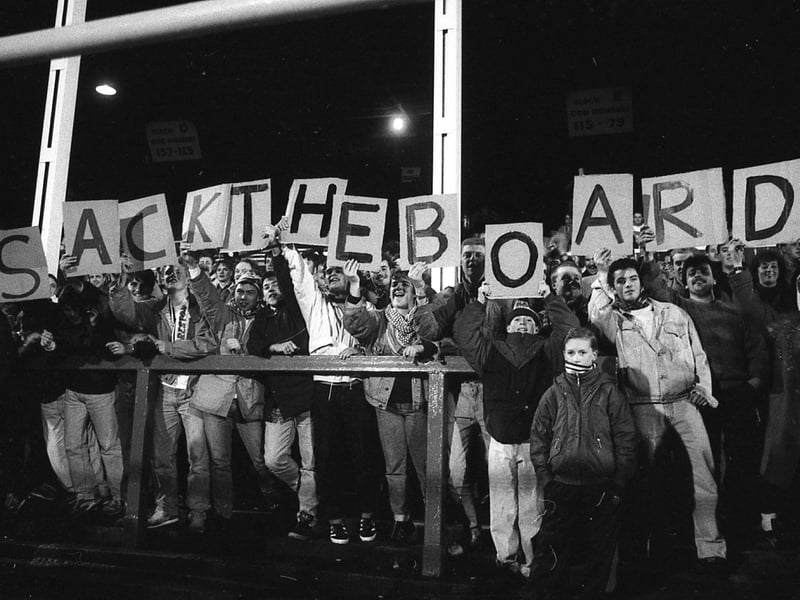
29. Preston North End protest in February 1990 - later than the sit down protest at PNE v Bristol Rovers
National World
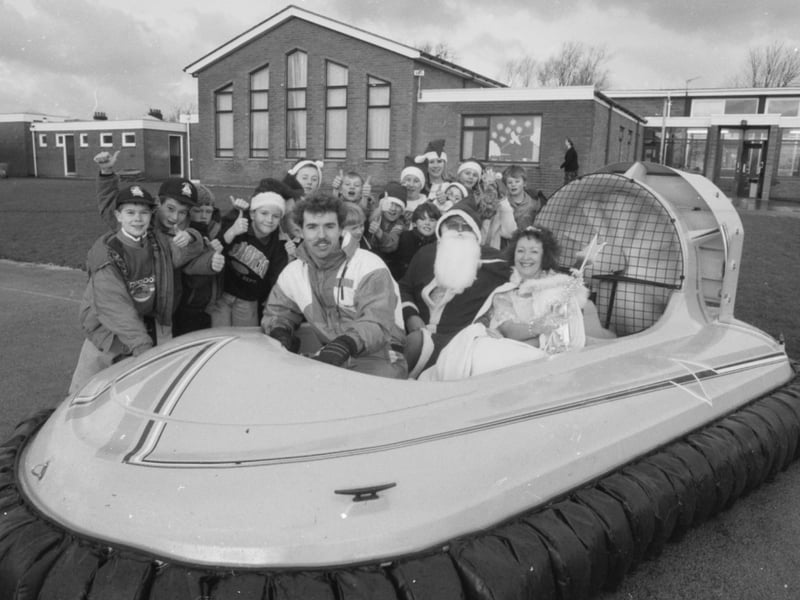
30. Move over Rudolph - Santa has decided it's a lot less bother with a hover. Father Christmas arrived at Newton Bluecoat CE Primary School, near Preston, aboard a hovercraft, and thrilled youngster with rides around the grounds
National World
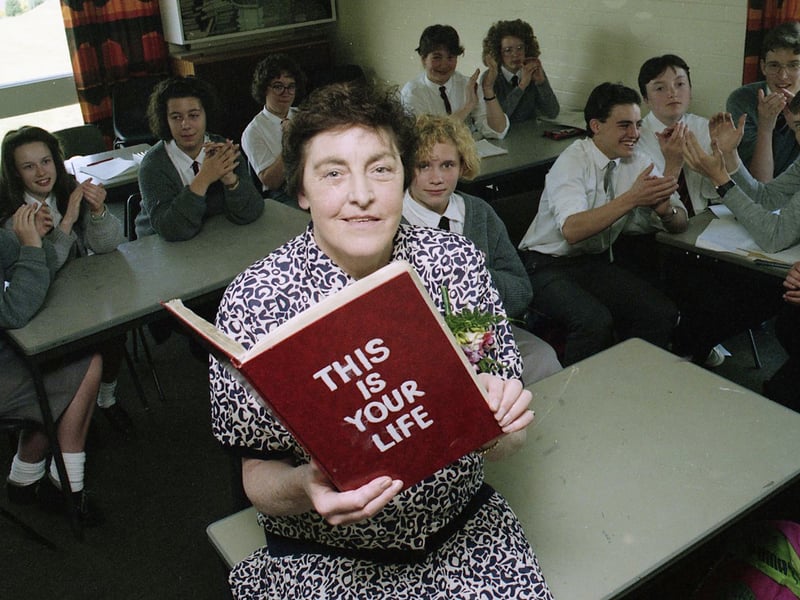
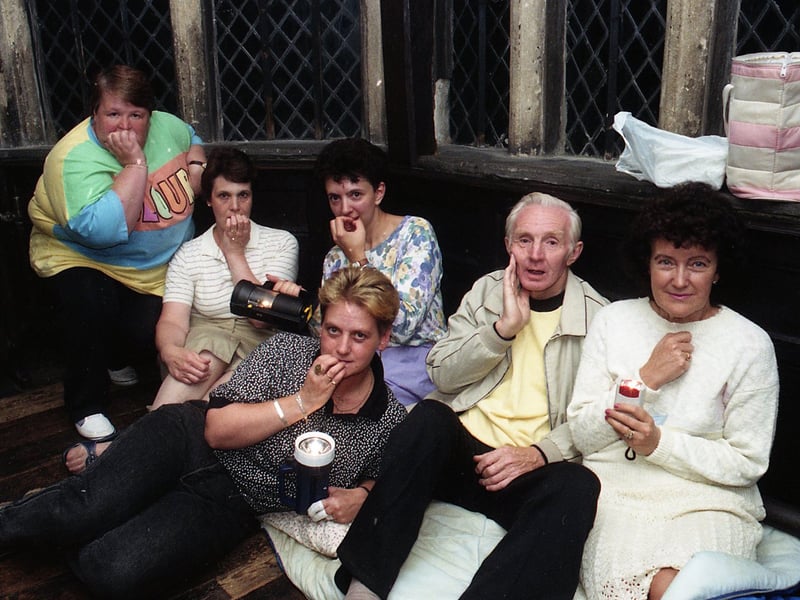
32. Retro Sleep in event takes place at Astley Hall in Preston. August 1991
National World