
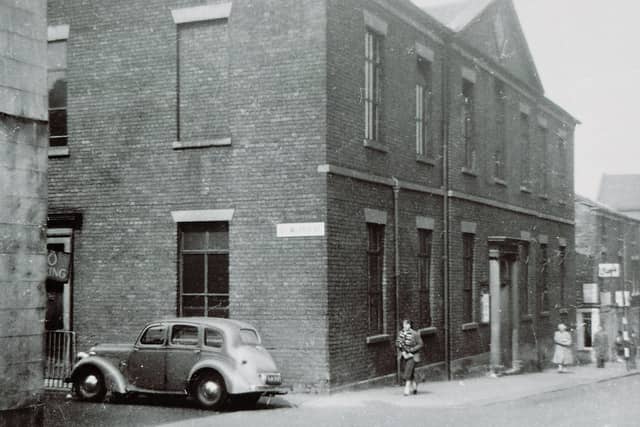


The town’s textile industry, still a significant part of its identity, provided employment for many, with factories like Horrockses playing a central role in daily life. Streets bustled with workers, while families shopped in local markets and high street stores, often meeting for a chat at the town’s popular gathering spots.
Entertainment played a vital role in bringing people together. Cinemas like the Odeon and Palace were filled with locals eager to catch the latest films, while dance halls and pubs offered lively weekend fun. The iconic Preston Guild Hall, though yet to host the famous Guild celebrations, was already a key venue for community events and concerts.
Social life revolved around these cultural hubs, and despite the rationing that lingered post-war, the people of Preston embraced life with optimism and resilience. Families gathered in local parks, while children played in the streets or by the River Ribble, marking a time of simplicity, togetherness, and the early stirrings of modernity.
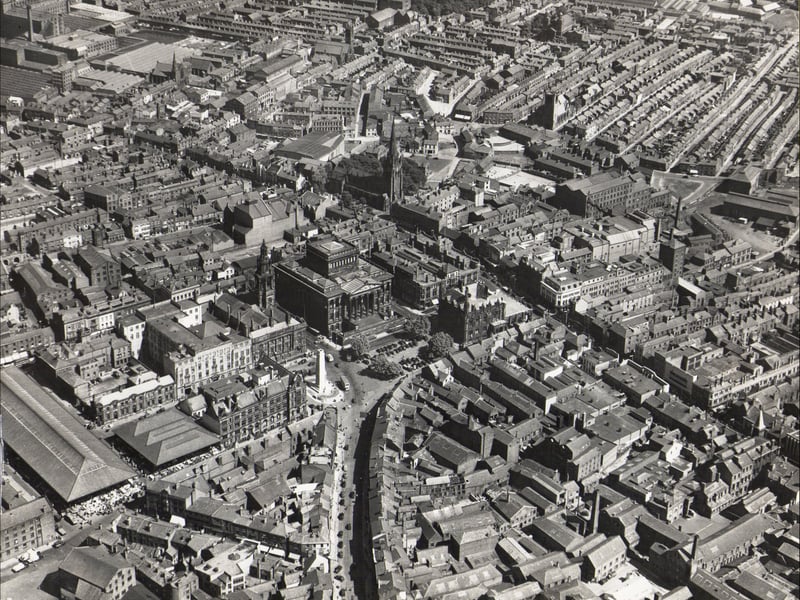
Explore our retro picture collection to get a glimpse of Preston’s vibrant life, people, and culture from this pivotal era.
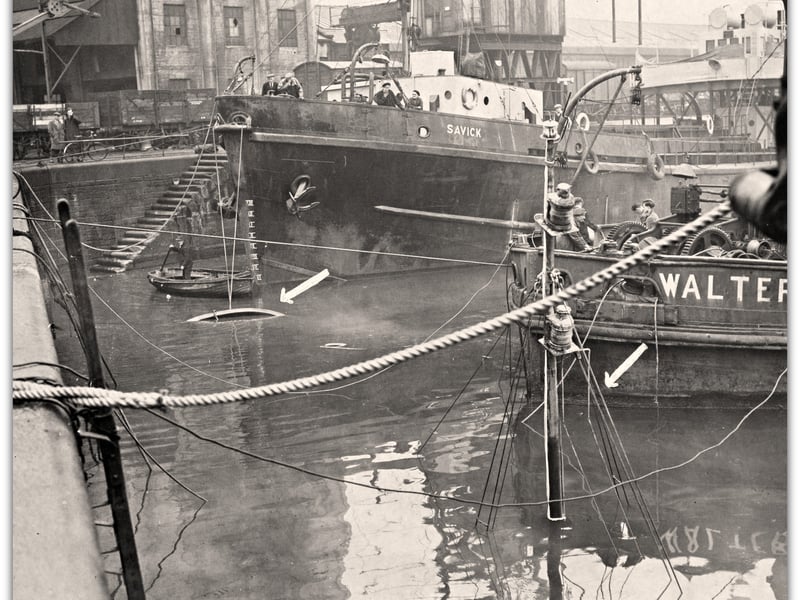
29. Unsuccessful attempt to raise the tug 'Penfold' Preston Dock. November 20, 1950
National World
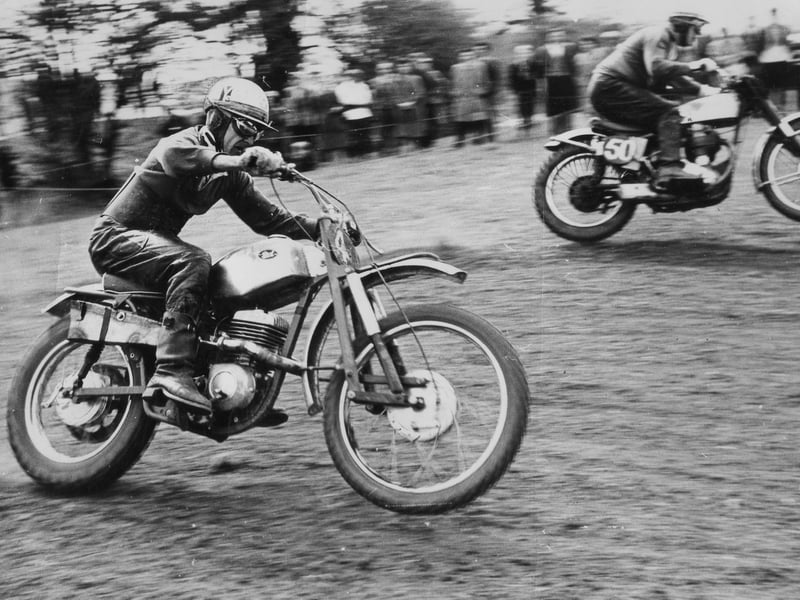
31. WTMX -- Ron Tate and the late Dickie Preston in action at a Ripon Club Scramble at Hutton Conyers (Circa 1950/ 60) -- image for Classic & Evo Column -- issue dated January 22, 2015 Picture by: Barry Robinson
National World
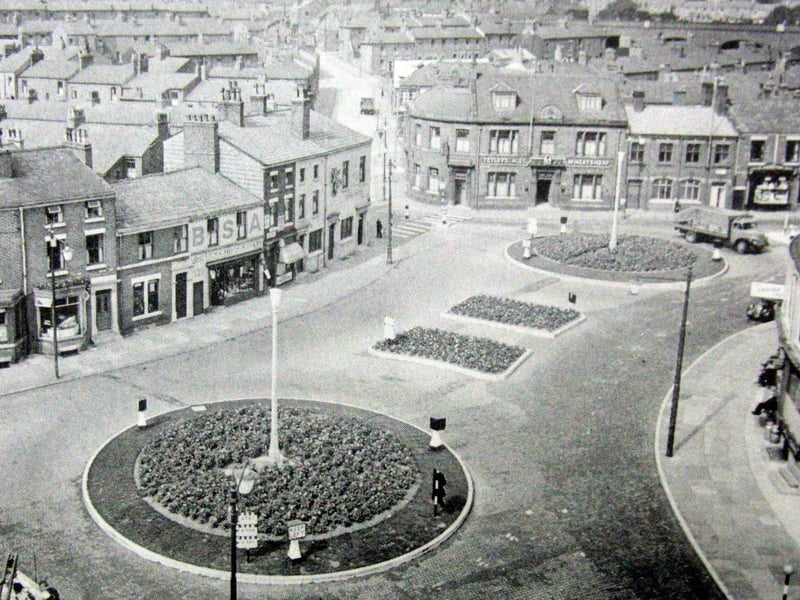
32. Do you recognise the location in the above image? It shows the junction of Strand Road and Watery Lane in 1949, viewed from the top of Siemens Electric Lamp Works (Oystons Mill). Picture courtesy of Preston Digital Archive. Please send your nostalgic memories and photos to [email protected]
National World