
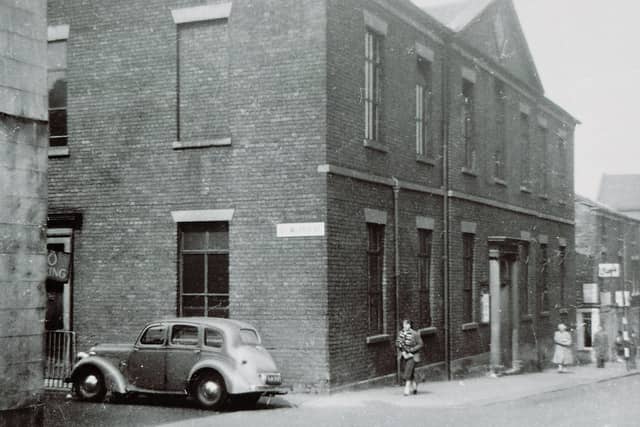


The town’s textile industry, still a significant part of its identity, provided employment for many, with factories like Horrockses playing a central role in daily life. Streets bustled with workers, while families shopped in local markets and high street stores, often meeting for a chat at the town’s popular gathering spots.
Entertainment played a vital role in bringing people together. Cinemas like the Odeon and Palace were filled with locals eager to catch the latest films, while dance halls and pubs offered lively weekend fun. The iconic Preston Guild Hall, though yet to host the famous Guild celebrations, was already a key venue for community events and concerts.
Social life revolved around these cultural hubs, and despite the rationing that lingered post-war, the people of Preston embraced life with optimism and resilience. Families gathered in local parks, while children played in the streets or by the River Ribble, marking a time of simplicity, togetherness, and the early stirrings of modernity.
Explore our retro picture collection to get a glimpse of Preston’s vibrant life, people, and culture from this pivotal era.
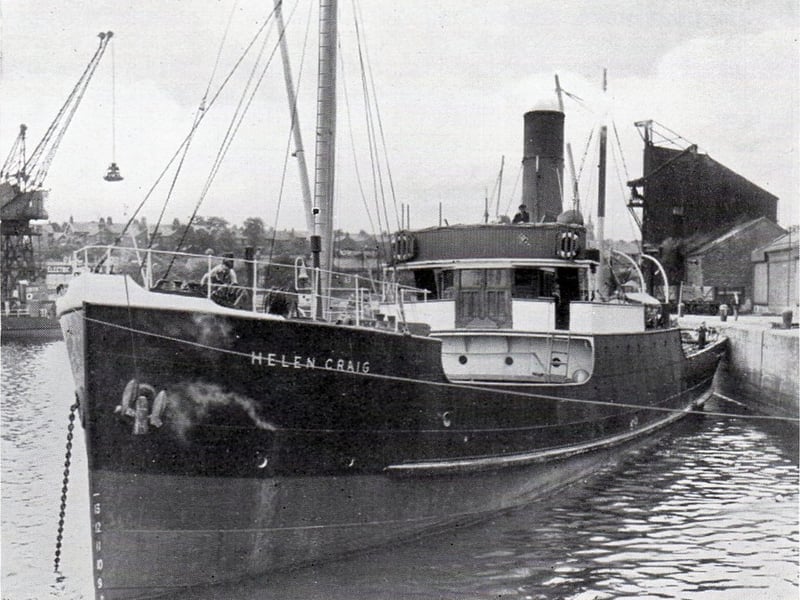
17. Preston Docks c.1950 S.S. Helen Craig sailed twice a week between Preston and Belfast for over 50 years. She was known by countless dockers as 'Th'owd bo'oan bo'at' as she often carried a stinking mass of animal bones from the Belfast abattoirs to the port. It was often said you could tell when she was in dock due to the vast flocks of seagulls and other birds hovering nearby hoping to feed off the maggots and other detritus from the rotting cargo. The Helen Craig was built in Belfast in 1891 and was for many years under the command of Captain Kennedy.
National World
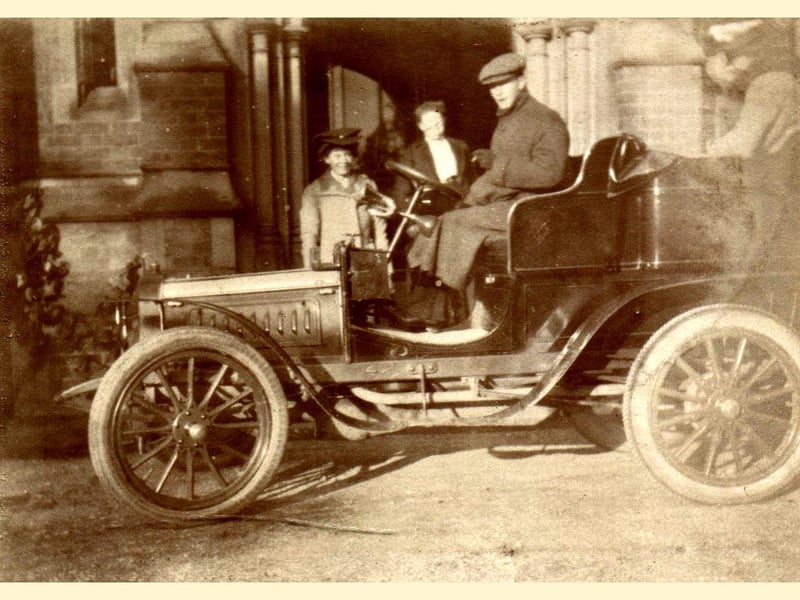
18. This image of unidentified indivduals and a 10HP Rolls Royce, outside Ribbleton Hall, Preston, was taken in 1905. Only 16 10HP Rolls Royces were made, with four surviving today. Ribbleton Hall was built by wealthy lawyer Thomas Birchall, who became town mayor in 1847. The hall fell into disuse in the late 1940s and was demolished in 1949. The original outline of the building can be seen in the grounds of Grange Park. Picture courtesy of Preston Digital Archive.
National World
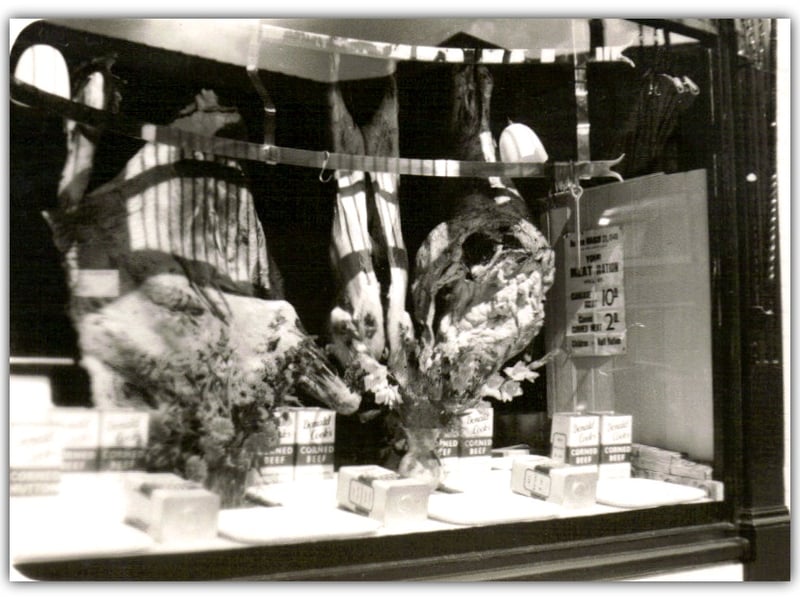
19. Preston Digital Archive Follow Henry (Harry) Johnson, Butcher, 62, Fylde Road, Preston. Here are several photo's of our butchers shop in Fylde Road. My dad Harry Johnson (son of John Edwin Johnson) was one of a large family brought up in Hall Street, Ashton, Preston. Harry who first worked as a slaughterman initiated his own butchers business in the mid 1940s and the shop at 62 Fylde Rd, Preston at which my mum Doris also helped, enjoyed considerable success through to the mid 1960s and Harryâs eventual retirement due to ill health. The premises and row of shops was demolished in the late 1960s, and all that is now left of it in Fylde Rd is a small âgrassed overâ triangle. One shows the premises early 1950s with the road still made up of stone sets. Another shows the shop window obviously still during the rationing period with numerous cans of corned beef (Meat rationing continued until 1954) Another picture shows Harry being made President of The Preston & District Master Butchers Association in 1956. Then another of Harry lifting up a lamb carcass in his shop. Finally one of me outside the shop on my old trike, I would guess around 1950. St Peters Church can be seen in the background. Image and comment courtesy of Mel Johnson (son)
National World
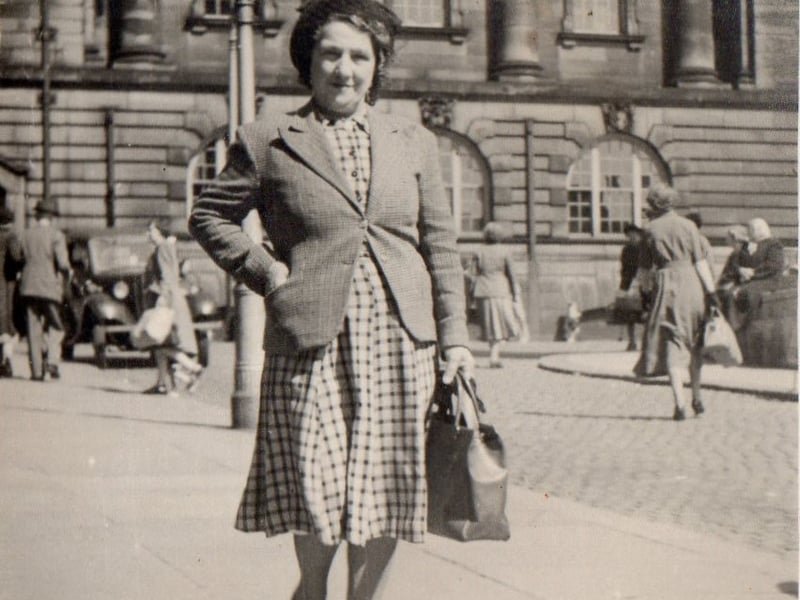
20. Nellie Oakey taken outside Preston Central Post Office on the 26th July 1950. She was born in 1892 in Witney, Oxfordshire and moved to Preston after the second world war to Holme Slack Lane. She would have been aged 58 at the time of the photograph and died peacefully in 1981 aged 88. sent in by grandson Peter Wilkinson, Penwortham
National World