
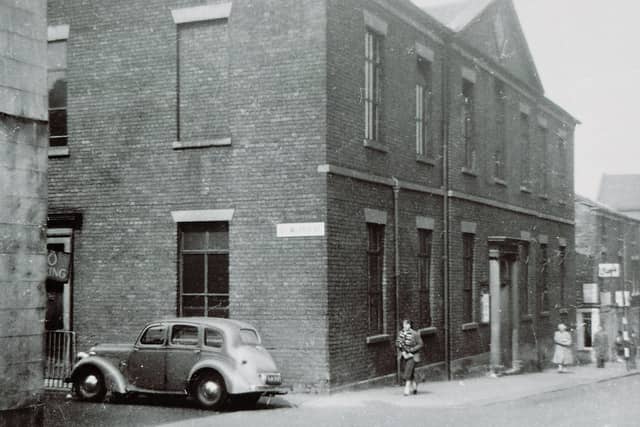


The town’s textile industry, still a significant part of its identity, provided employment for many, with factories like Horrockses playing a central role in daily life. Streets bustled with workers, while families shopped in local markets and high street stores, often meeting for a chat at the town’s popular gathering spots.
Entertainment played a vital role in bringing people together. Cinemas like the Odeon and Palace were filled with locals eager to catch the latest films, while dance halls and pubs offered lively weekend fun. The iconic Preston Guild Hall, though yet to host the famous Guild celebrations, was already a key venue for community events and concerts.
Social life revolved around these cultural hubs, and despite the rationing that lingered post-war, the people of Preston embraced life with optimism and resilience. Families gathered in local parks, while children played in the streets or by the River Ribble, marking a time of simplicity, togetherness, and the early stirrings of modernity.
Explore our retro picture collection to get a glimpse of Preston’s vibrant life, people, and culture from this pivotal era.
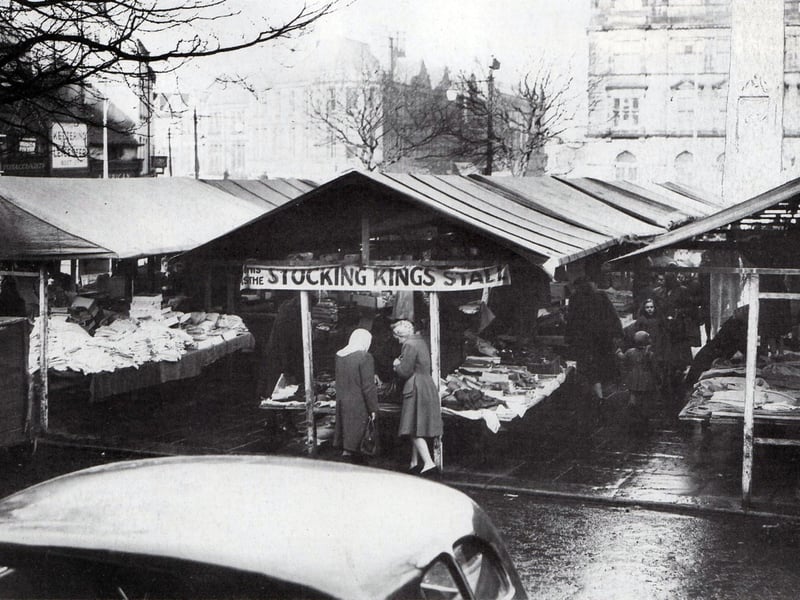
5. The Flag Market, Preston 1949 Image courtesy of The Lancashire Evening post www.lep.co.uk
National World
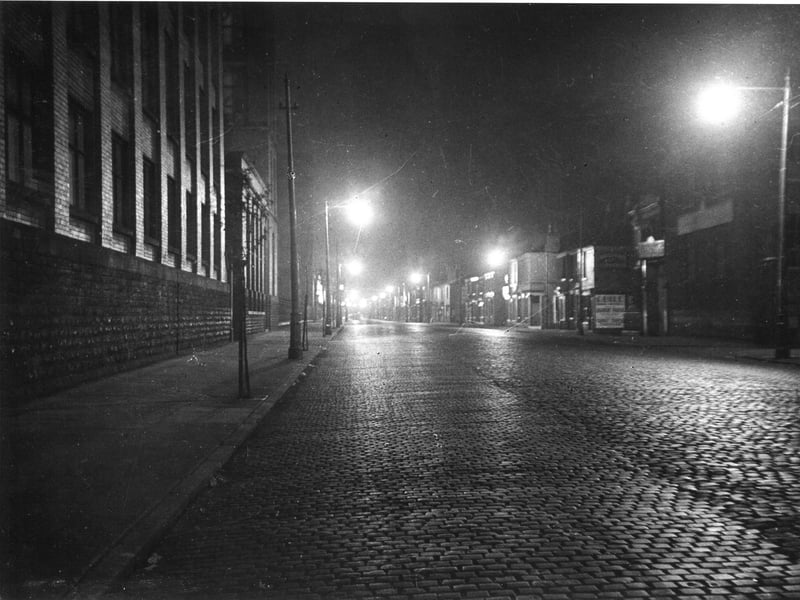
6. New Hall Lane at Night, Preston c.1950 Image courtesy of Norman Worthington.
National World
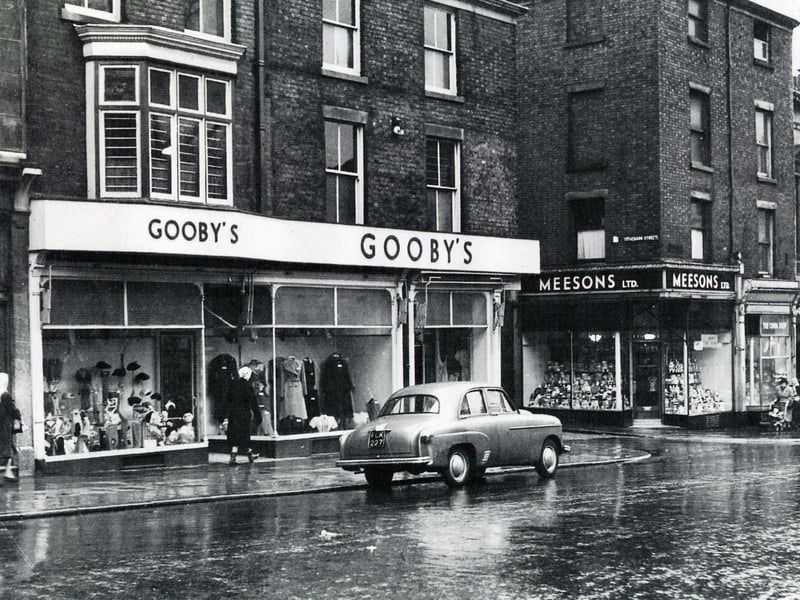
7. Church Street & Tithebarn Street, Preston 1950 Gooby's haberdashers on the left, with Meeson's, cut price confectioners on the opposite corner. Gooby's was destroyed by fire in May 1965.
National World
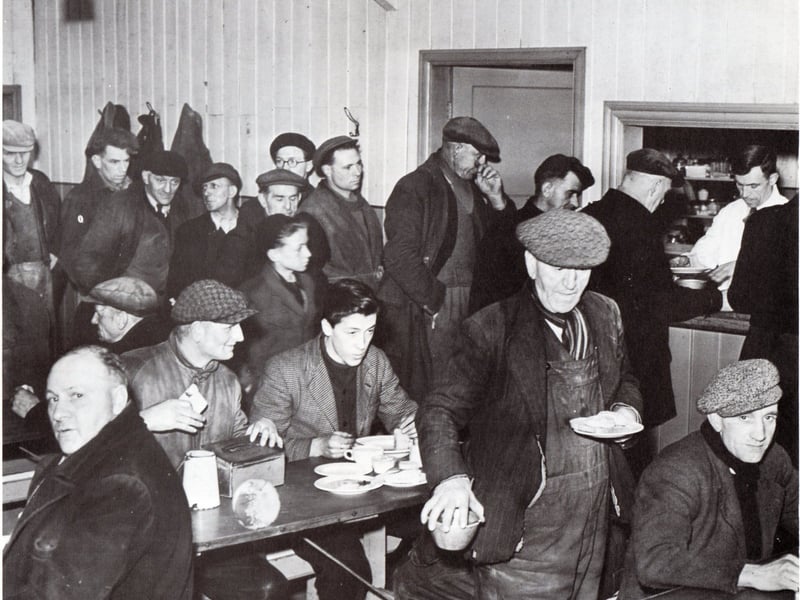
8. The Seamen's Mission, Preston Docks c. 1949 The mission cabin catered to the needs of a great many dock workers and ships crews over the years and contained rudimentary washing facilities together with a tea bar. The Mission cabin was situated next to the 'Black Cabin' just inside the main gate on Watery Lane opposite the dock offices. The 'Black Cabin' was where the dock workers would be 'told off' to work various assignments throughout the dock complex.
National World