
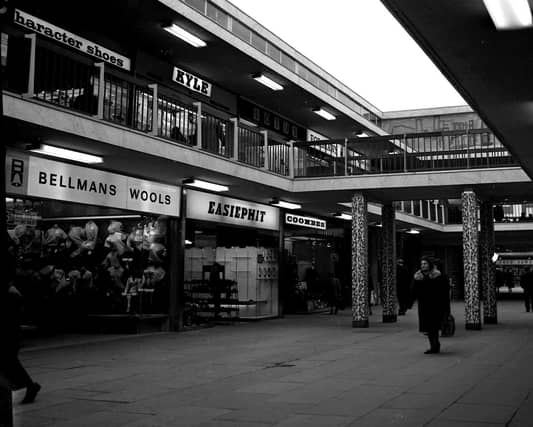


The post-war boom was evident as new housing estates began to spring up, catering to a growing population. Preston's textile industry, once the town’s lifeblood, was starting to wane, but it still played a significant role in the local economy, with mills and factories humming with activity.
The town centre was a bustling hub of activity, with iconic landmarks like the Harris Museum and the market hall serving as popular meeting points for residents. High Street was filled with a mix of traditional family-run shops and new modern stores, reflecting the changing tastes and increasing affluence of the time.
Social life in Preston thrived during this period. Local cinemas were packed with moviegoers eager to see the latest blockbusters, and dance halls were alive with the sounds of rock and roll, drawing in young people ready to embrace the new cultural trends.
Preston North End Football Club also continued to be a source of pride, drawing crowds to Deepdale on match days. Get a bespoke headline round-up, as well as breaking updates, when you sign up to the The Lancashire Post’s free emails
This collection of archive images offers a nostalgic glimpse into Preston during this dynamic and vibrant decade.
Still fancy some more retro nostalgia? Be sure not to miss some of our recent popular picture galleries...
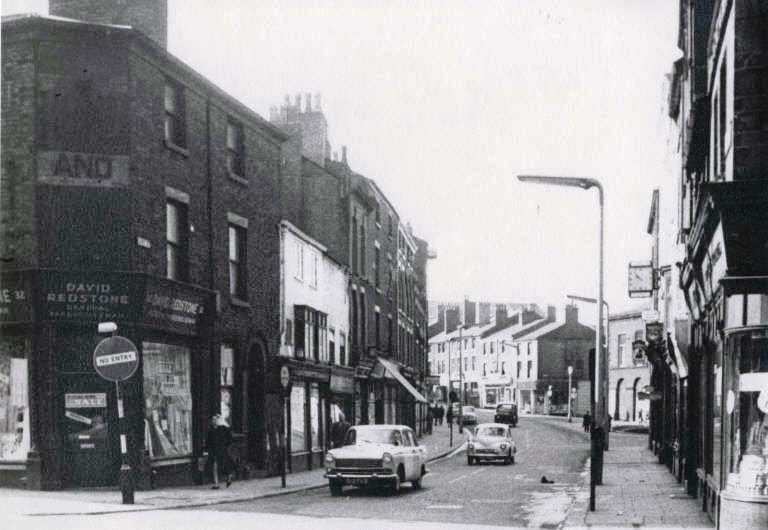
21. Lune Street from Friargate, Preston 1965 This property was demolished for the Ring Road development. The Public Hall is just visible on the right.
National World
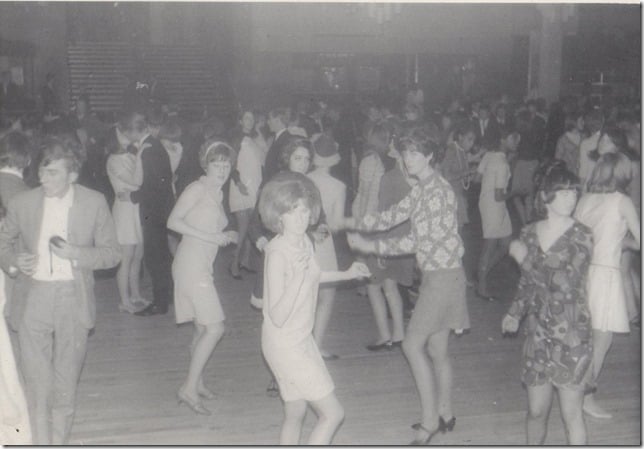
22. Hallowe'en Party at the Top Rank club in Preston circa 1965 from the Vin Sumner collection
National World
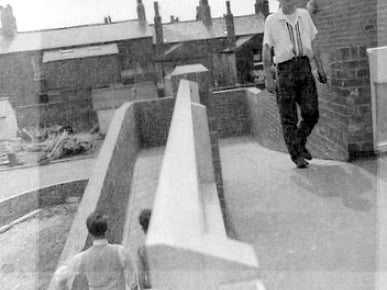
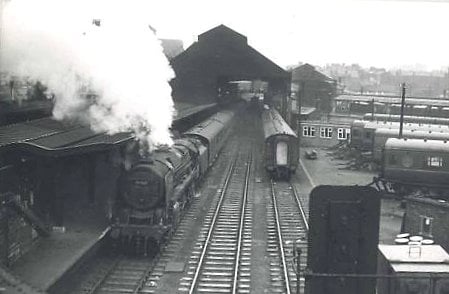
24. Preston Railway Station 1965 Britannia Class No.70017 Arrow at Platform 6. Taken from the former footbridge to the Park Hotel
National World