
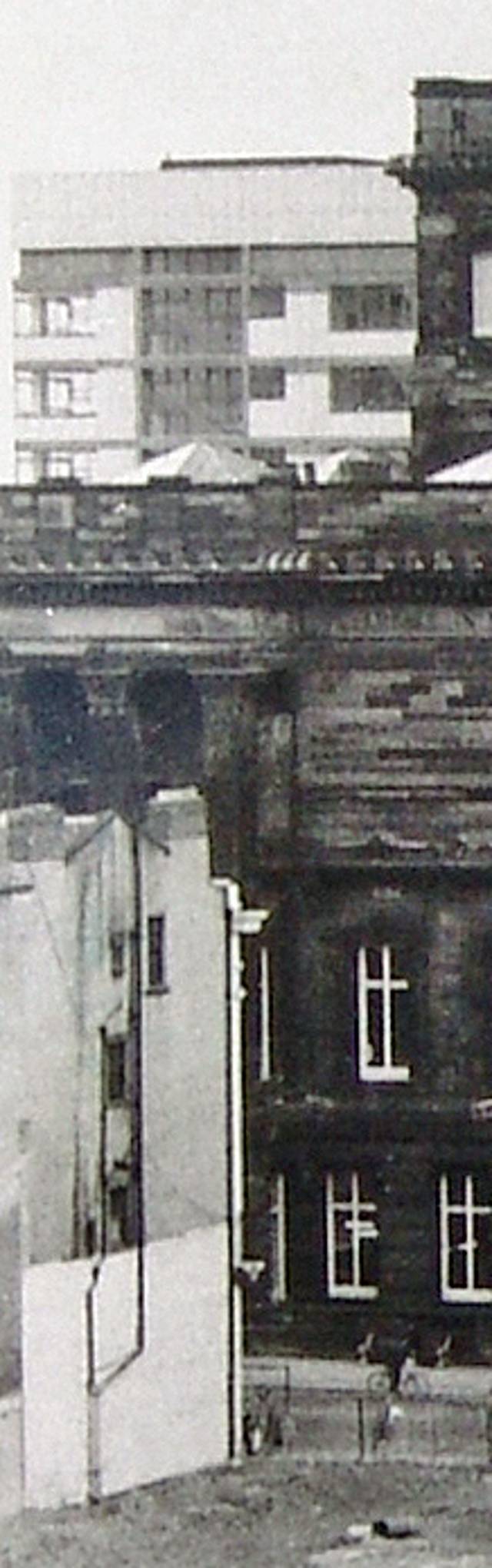


Known for its rich industrial history, particularly in textiles, the town was transitioning as the traditional industries began to decline. Despite these shifts, Preston maintained its bustling energy, with local markets and shops on Fishergate and Friargate serving as the heart of commerce. The town’s transport hub, with the iconic Preston bus station completed in 1969, became a symbol of modernity amidst the old.
Social life thrived with local pubs, dance halls, and cinemas like the Odeon offering entertainment to the community. The town's parks, particularly Avenham and Miller Parks, provided green spaces where families spent their weekends. Preston North End football matches at Deepdale were major events, uniting the town in support of their local team.
Education and culture were also on the rise, with the establishment of new schools and the growth of the Harris Museum as a cultural focal point. Preston in the late 1960s was a town balancing its proud heritage with the excitement of new developments.
In the following collection of archival images, we journey back to this era, capturing the essence of life in Preston during this transformative time.
Still fancy some more retro nostalgia? Be sure not to miss some of our recent popular picture galleries...
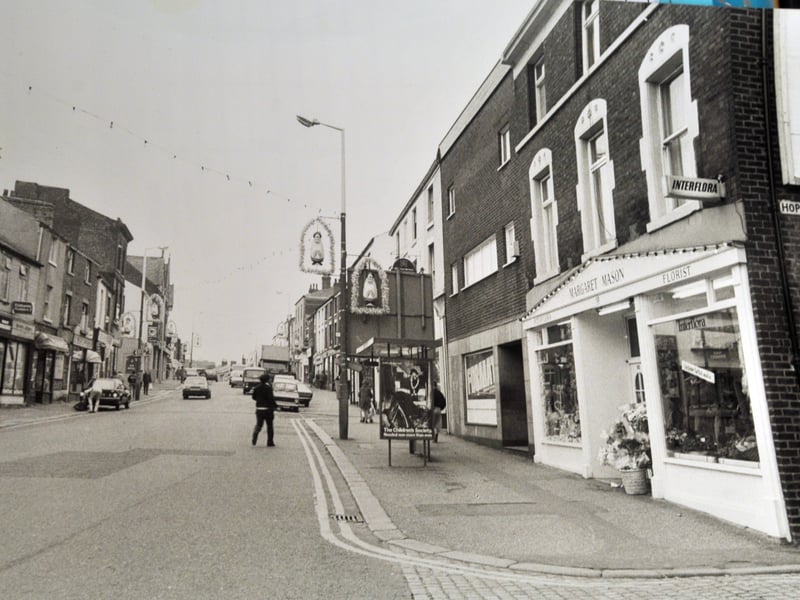
17. LP - PRESTON 26-02-18 SUB Exterior of shop and view of Friargate, Preston, early 1970's (maybe?) Margaret Mason in her florist, with a Mother's Day display at 85 Friargate, Preston.
National World
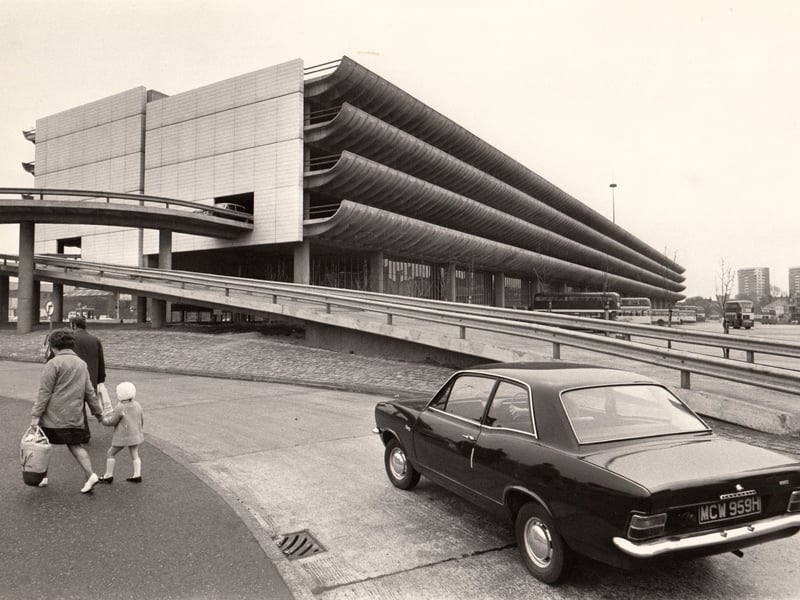
18. Preston Bus Station c.1970 The ubiquitous Vauxhall Viva makes another appearance.
National World
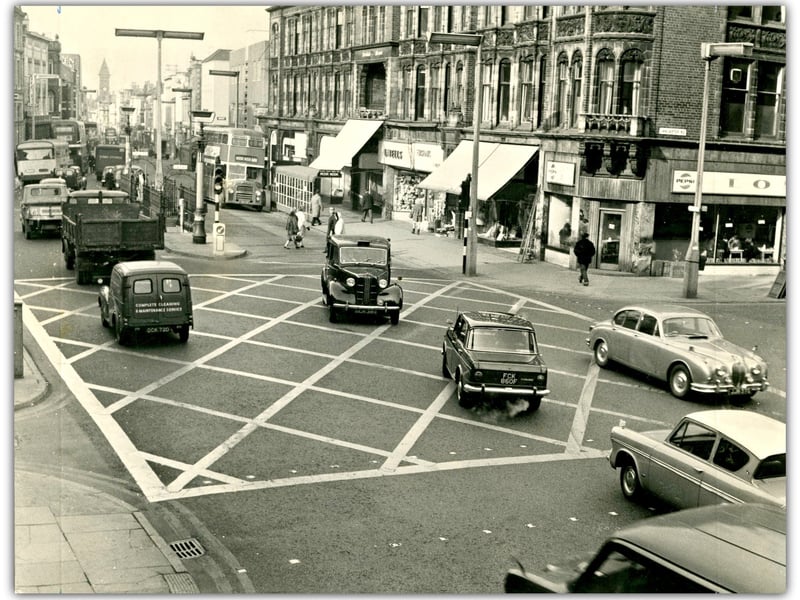
19. Traffic control box at the junction of Lancaster Road and Church Street, Preston, March 8, 1969.
National World
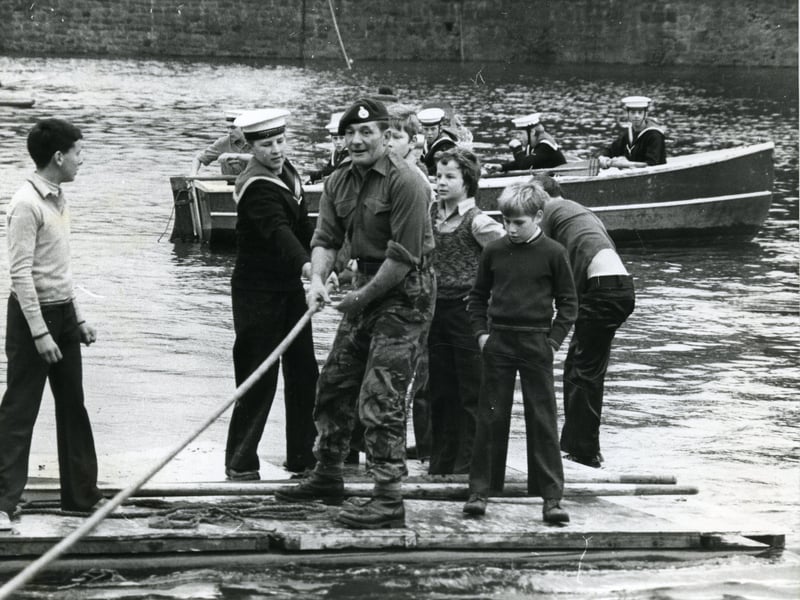
20. Preston Marine and Sea Cadet Regatta, River Ribble c.1970 Colour Sergeant Jim Bland is seen on a makeshift raft in the River Ribble. A rope was stretched between the Sea Cadets hut and the opposing riverbank in order to display various methods of crossing a river. Sometime later that day, as part of the Marine Cadet sniper display, an old tailors dummy was shot at and subsequently dropped into the river from high up in the coal conveyor that supplied Penwortham Power Station. It was quite a dramatic finale to the days proceedings. A few days later the dummy washed up on a mudbank near Freckleton and became the subject of a frantic recovery attempt by police and rescue services who clearly thought they were dealing with a suicide victim, until they rolled the 'body' over to reveal the words "property of Marks and Spencers" etched about the belly button area!
National World