
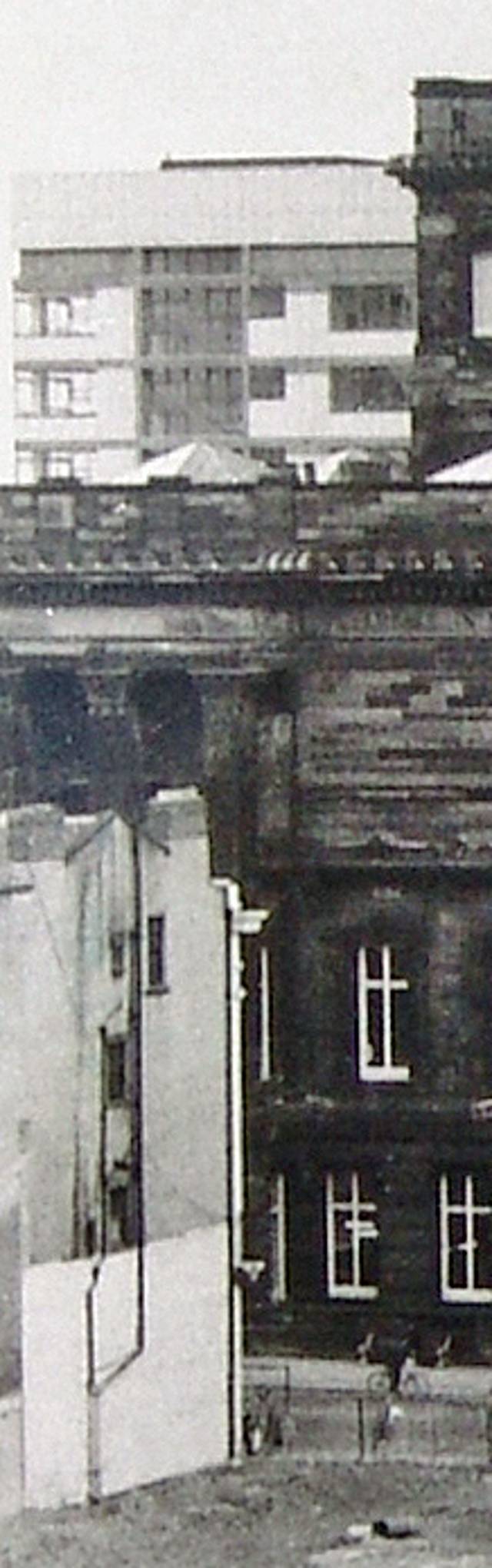


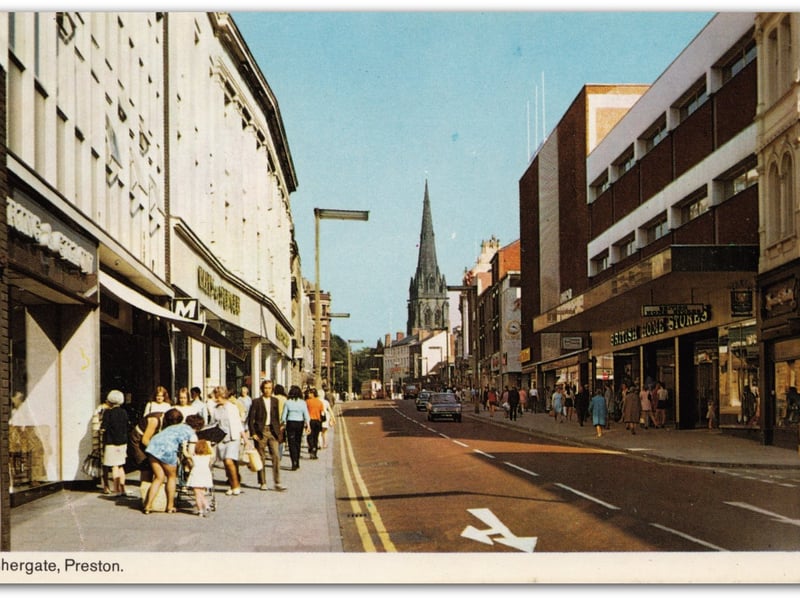
Known for its rich industrial history, particularly in textiles, the town was transitioning as the traditional industries began to decline. Despite these shifts, Preston maintained its bustling energy, with local markets and shops on Fishergate and Friargate serving as the heart of commerce. The town’s transport hub, with the iconic Preston bus station completed in 1969, became a symbol of modernity amidst the old.
Social life thrived with local pubs, dance halls, and cinemas like the Odeon offering entertainment to the community. The town's parks, particularly Avenham and Miller Parks, provided green spaces where families spent their weekends. Preston North End football matches at Deepdale were major events, uniting the town in support of their local team.
Education and culture were also on the rise, with the establishment of new schools and the growth of the Harris Museum as a cultural focal point. Preston in the late 1960s was a town balancing its proud heritage with the excitement of new developments.
In the following collection of archival images, we journey back to this era, capturing the essence of life in Preston during this transformative time.
Still fancy some more retro nostalgia? Be sure not to miss some of our recent popular picture galleries...
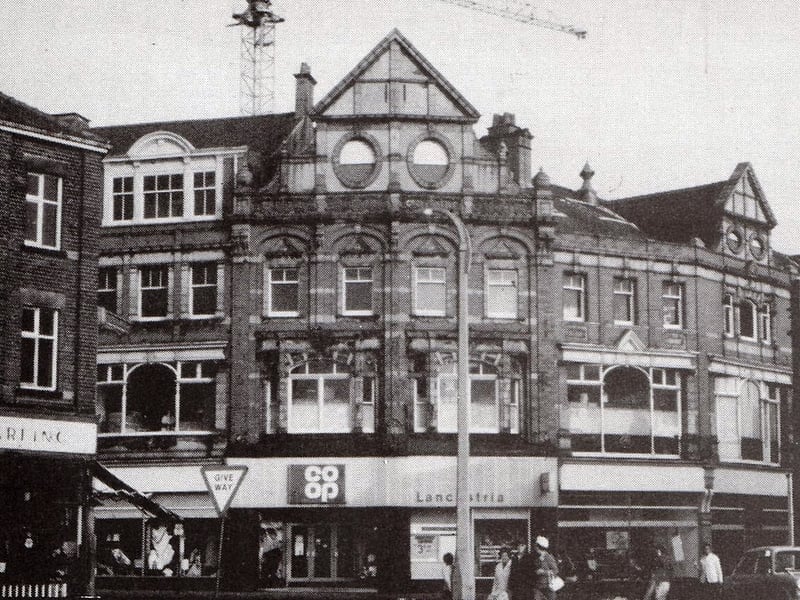
9. Co-operative Society buildings, Ormskirk Road, Preston 1970 Formely known as 'Fashion Corner' The premises were built in 1892 and closed in 1970
National World
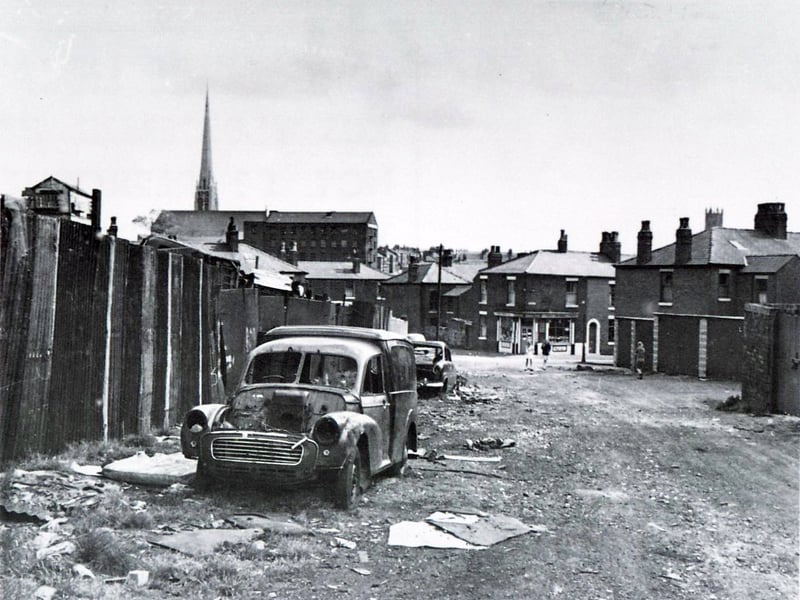
11. Raglan Street Backs. Preston c. 1969 Looking south down towards Evans Street and Aqueduct Street. Greenbank sidings signal box at left. Steam Mill on skyline left of centre.
National World
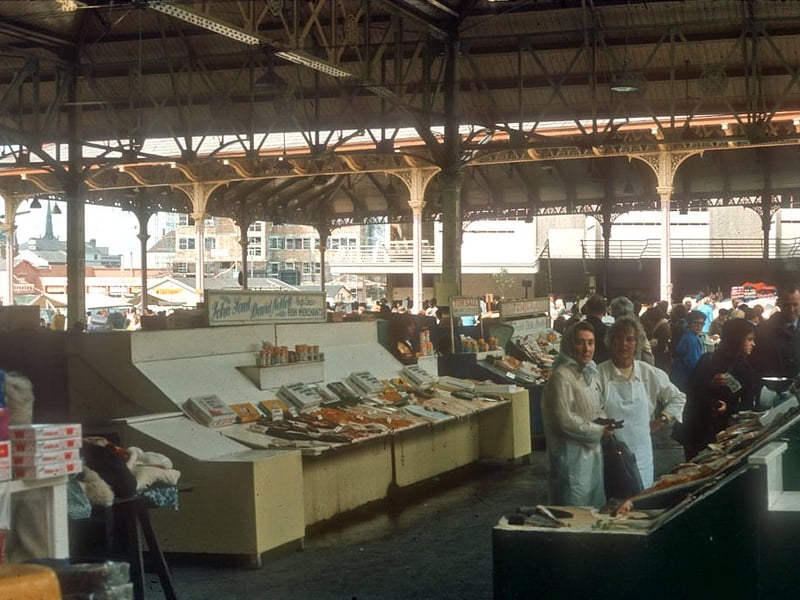
12. The Fish Market, Preston circa 1970. Image courtesy of the Preston Historical Society.
National World