



The imposing Harris Museum and Art Gallery, with its grand neoclassical architecture, stands as a symbol of Preston’s cultural heritage, housing a vast collection of fine art and historical artifacts. Another iconic structure is the Preston Cenotaph, a poignant reminder of the town’s sacrifices during the World Wars, located in the heart of the city’s Flag Market.
The Grade I listed Church of St. Walburge, with its towering spire—the third tallest in the UK—dominates the skyline and reflects Preston’s deep-rooted religious traditions.
Just a stone’s throw away is the historic Avenham and Miller Park, renowned for its beautifully landscaped gardens and Victorian design, providing a peaceful retreat from the urban hustle.
Deepdale Stadium, home to Preston North End, is another landmark that holds a special place in the hearts of locals, representing the town’s proud football heritage as one of the founding members of the Football League. Get a bespoke headline round-up, as well as breaking updates, when you sign up to the The Lancashire Post’s free emails
These buildings and landmarks are not just architectural marvels; they are woven into the fabric of Preston’s identity. In the following collection, we explore archive images that capture the charm and history of these beloved sites.
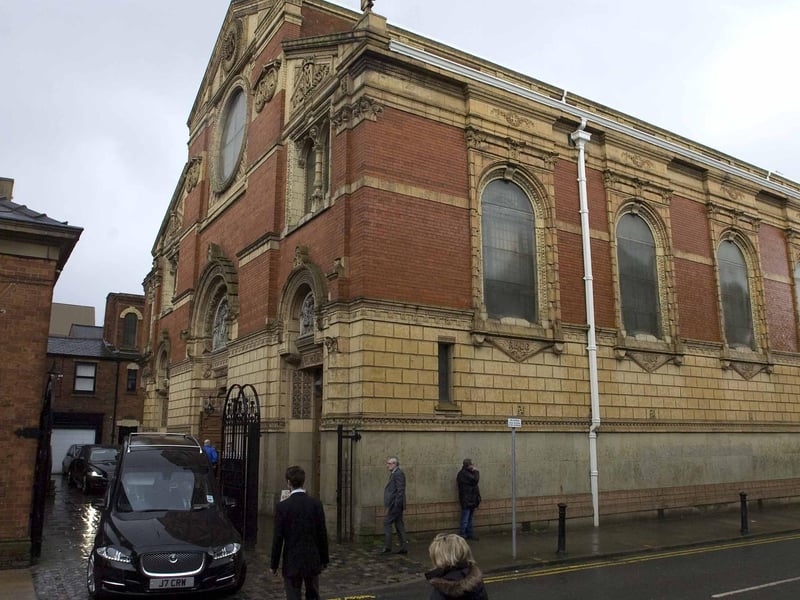
9. Preston historic and forgotten buildings and places
St Wilfrid's Church in Preston, which dates back to 1793 Photo: Ian Robinson
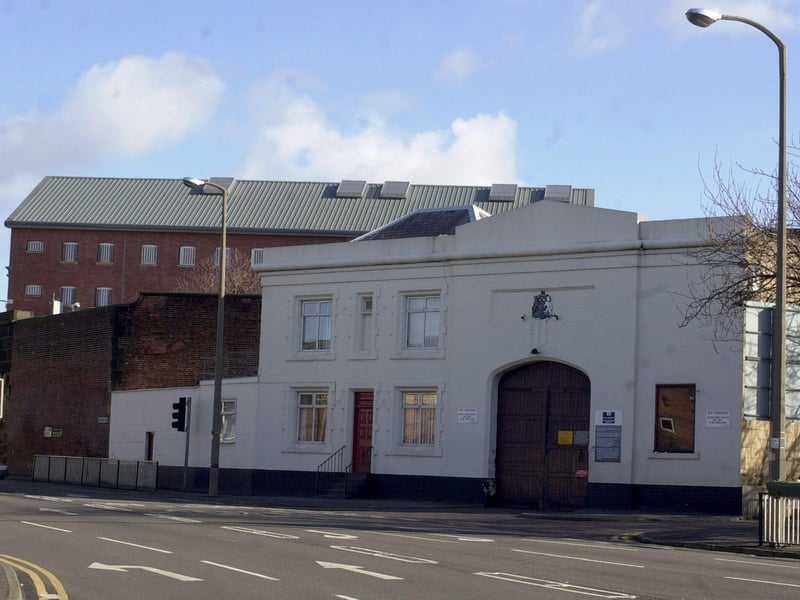
10. Preston historic and forgotten buildings and places
Preston Prison - 1790 Photo: Lindsey North
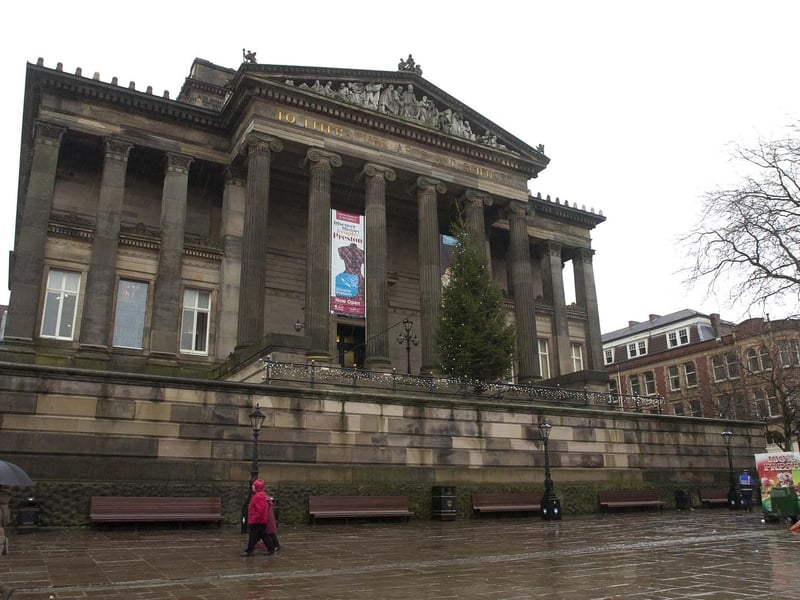
11. Preston historic and forgotten buildings and places
Harris Museum and Art Gallery - 1893 Photo: Ian Robinson
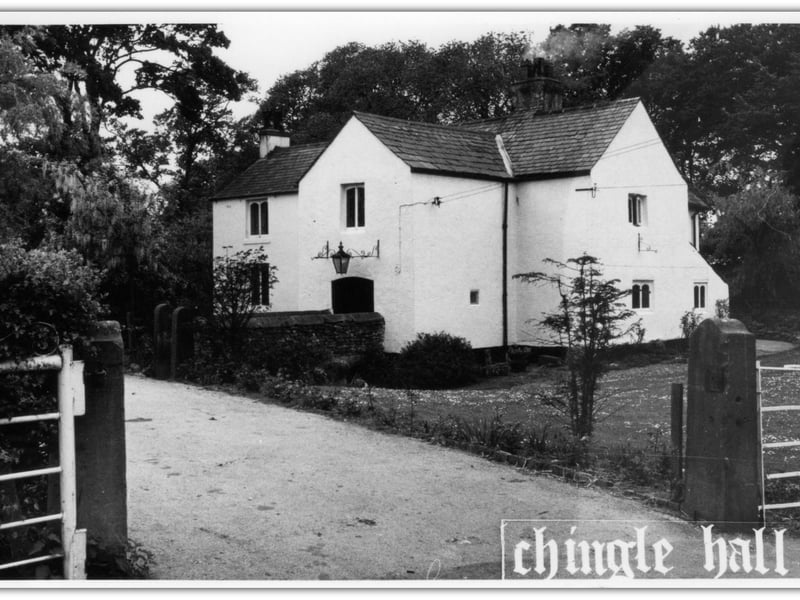
12. Preston historic and forgotten buildings and places
Chingle Hall, Goosnargh. Chingle Hall Built 1260. Birthplace of St. John Wall, 1620. The most haunted house in Britain. Photo: Preston Digital Archive