
Lancs Highways answer the MOST asked question on potholes and what size they need to be for priority repair

Lancastrians have one main question when it comes to pesky potholes.
Lancashire Highways has answered the public’s most asked question regarding potholes.

Pesky potholes dominate most roads these days causing many motorists headaches as they try and swerve hitting them.
The most frequently asked question for Lancashire Highways is why they sometimes only fix one or two of them at a time.
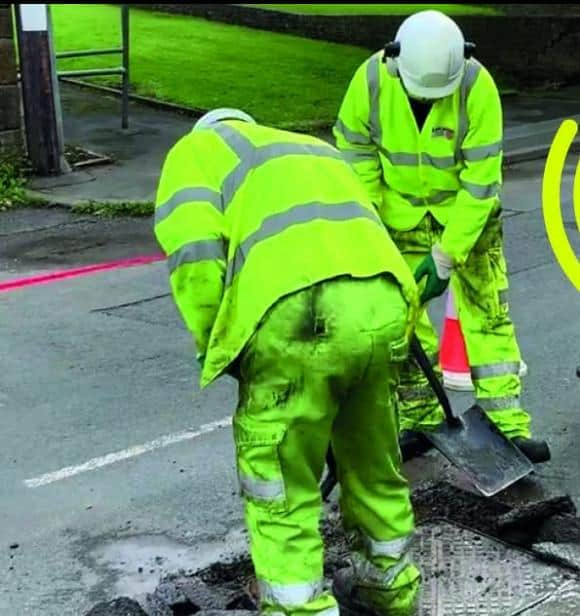
A spokesperson for Lancashire Highways said: “You asked: “why do you sometimes only fix one or two potholes?". We know it can be frustrating to see a couple of potholes repaired while others nearby are left.
“Here’s why that happens.
“We prioritise safety. The most serious potholes - those that pose the greatest risk - are repaired first to keep the road safe.”
The spokesperson went on to outline the answer with the following bullet points:
Different types of repairs and what is classed as urgent
They said some fixes are quick, reactive repairs to deal with urgent issues. Others are part of planned work where a larger section of road will be repaired properly.
Not all defects meet the repair threshold - inspections follow national guidelines, so only potholes of a certain size or risk level are repaired straight away.
Golf ball measure
As a guide, a pothole usually needs to be around the size of a golf ball deep (about 40mm) and wider than a can of pop (around 300mm) to qualify for an urgent repair.
Others may be surface defects that they monitor and fix later.
Limited budgets
The spokesperson said: “We have to make the most of limited budgets. Our funding isn’t unlimited, so we prioritise repairs and plan work carefully to get the best long-term results for as many roads as possible.”
Planning longer-term solutions
If an area has several defects, it’s often better to carry out a full patching or resurfacing scheme rather than multiple small fixes as this gives a longer-lasting result.
Sometimes temporary repairs are carried out to keep roads safe until a full scheme is completed, helping avoid a “wasted spend”.
Crews also need to work within time, resources, and traffic management restrictions, which can affect what can be completed in one visit.
They added: “In short: we fix the most urgent issues first while planning longer-term improvements to the wider road.”