
This is why thousands of trees have been planted alongside the River Ribble in Preston

Almost 12,000 new trees have been planted along the banks of the River Ribble in Preston to create a new woodland area intended to benefit both wildlife and nearby residents.
The initiative, in the Fishwick Bottoms area of the city, has been designed to boost biodiversity, improve water quality - and help protect communities from flooding.
The site, close to Walton-le-Dale, is already a popular spot for anglers on the Ribble Free Stretch and for walkers on the Ribble Way trail. Over the past year, the green space has been transformed with the planting of 11,800 native trees along a two-kilometre stretch of the river.
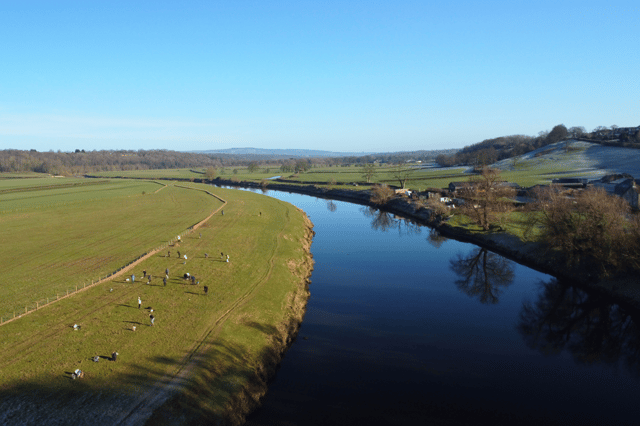

According to the Ribble Rivers Trust, which delivered the project, the trees - a diverse mix of native species including English oak, wych elm, hawthorn, hazel, alder, birch, willow, elder, holly and blackthorn - will form a natural riverside woodland, providing food and shelter for insects, small mammals and woodland and water birds.
The work also included installing 1,200 metres of fencing and gates to protect the riverbanks from erosion caused by livestock, while six specially designed drinking areas set back from the river will allow livestock to have safe access to water.
To ensure that the space provides the best possible habitats for nature, invasive non-native plant species are being controlled with the help of the trust’s volunteers.
The organisation says the new woodland will play an important role in natural flood management, with the trees helping slow water during heavy rainfall, stabilise the soil with their roots and capture sediments and pollutants before they enter the river. Over time, this is expected to reduce flood risk and create cleaner water for key species such as Atlantic salmon, brown trout and European eels.
The scheme is part of the Preston and South Ribble Flood Risk Management Scheme (FRMS), led by the Environment Agency, with the aim of protecting around 5,000 homes and businesses.
“Projects like this show the power of working with nature,” said Rob Cooper, Project Manager at Ribble Rivers Trust.
“As well as creating an incredible habitat for wildlife, these trees will help store water, protect rivers, and play a vital role in managing flood risk for the future.”