
Lancashire dog walkers warned to keep pets away from sick birds this autumn after avian flu detection
Dog walkers in Lancashire have been advised to keep their pets away from sick birds this autumn after 11 wild birds tested positive for avian flu
Dog walkers have been warned to be on their guard this autumn after 11 wild birds in Lancashire tested positive for avian flu.
This time of year is traditionally associated with increased bird flu activity. The UK typically experiences a seasonal rise in avian influenza incidents linked to infected migratory birds during the winter months.
Vet Dr Sean McCormack has given advice on what dog owners should do if they find sick or dead birds on their autumnal rambles
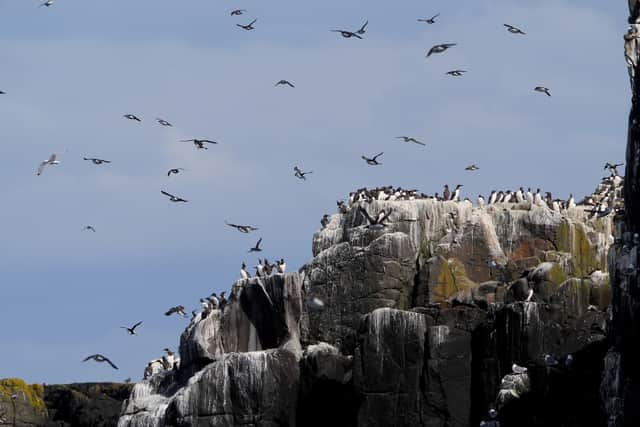

He said: “While bird flu primarily affects birds, avian influenza virus can infect mammals, including dogs, so pets should be kept away from sick or dead wild birds, as well as their droppings, feathers and carcasses.
“Dogs explore the world with their noses and mouths, so unfortunately a dead bird lying on the ground can be really interesting to them.
“However, owners should never allow their dog to sniff, lick, pick up or eat a dead or visibly unwell wild bird.
“If you spot a dead bird ahead, call your dog back and give it plenty of space. If your dog has a habit of scavenging or running off to investigate wildlife, keeping them on a lead in areas where dead birds have been reported can give you much more control.”
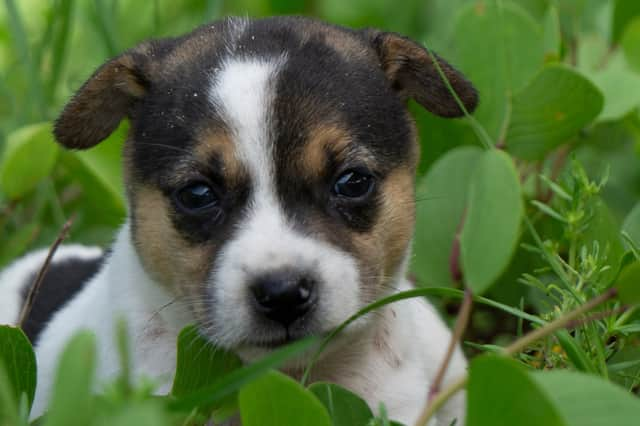
“Lakes, reservoirs, ponds, rivers and coastal areas are places where dog walkers naturally encounter waterbirds such as ducks, geese, swans and gulls.
“A single dead bird doesn’t automatically mean bird flu, and owners shouldn’t panic if they see one. However, finding several dead or unwell wild birds in the same area is something that should be reported rather than investigated yourself.
“Don’t allow your dog to approach the birds, and avoid touching or moving them yourself. If necessary, turn around or choose another walking route so your dog can’t come into contact with the birds or surrounding feathers.”
“If your dog has come into contact with a sick or dead wild bird, it’s important to keep a closer eye on their health afterwards.
“Look out for more general signs that your dog may be unwell too, such as lethargy, a loss of appetite or simply seeming quieter or out of sorts compared with their normal behaviour.”