
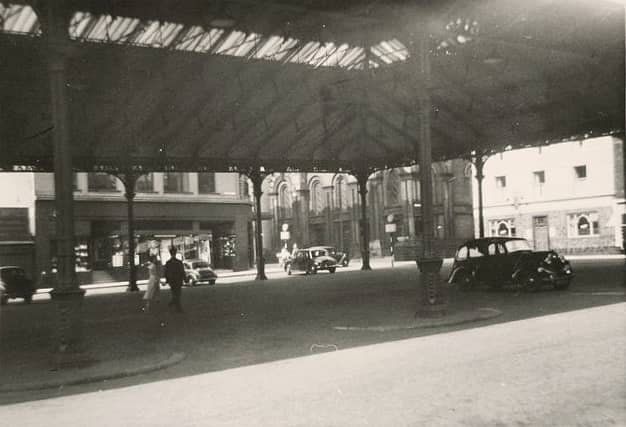


Some 74 years in the past at this point, it's safe to say that 1950 Preston was a different world entirely, as evidenced by the fact that the majority of our retro archive pictures from that heady era are based around industry, ships, and labourers. And so, to get a glimpse of what life in the city would have looked like back then, take a look at some of our best images from back in the day...
Still looking for some more nostalgia? Check out these other recent retro pieces...
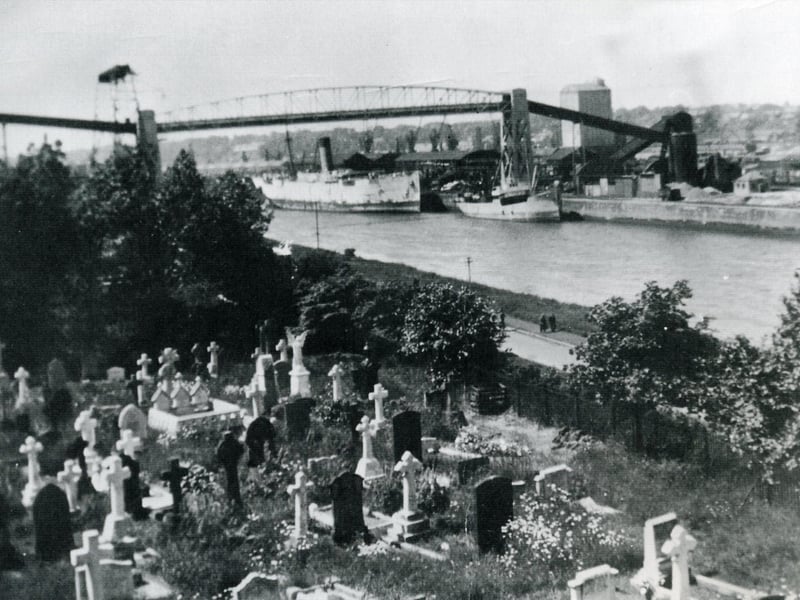
13. Looking across the River Ribble from Penwortham towards the coal conveyor at Preston Dock. The larger single funnel vessel, believed to be the MV Chirripo, is berthed on TW Wards gridiron waiting breaking up The vessel on Ward's gridiron is either "Chirripo" scrapped at Preston in 1952 or "Tilapa" scrapped in 1959. From the caption date, I suspect it is the former. Both were built for Elders and Fyffes as "banana boats", "Chirripo" was launched at the yard of Workman Clark, Belfast in 1919 and "Tilapa" by Cammell Laird, Birkenhead in 1927, both of very similar design and dimensions. "Tilapa" is the more famous of the two. Her launching in 1927 was recorded as a Gaumont Newsreel but more importantly she was the first vessel to bring bananas to the UK after World War II. Importation of bananas was banned by the Ministry of Food in 1940 and only lifted after cessation of hostilities. You can view a short British Pathe Newsreel recording the event although the ship is not named and hardly features. For years Fyffes was synonymous with bananas until Geest came on the scene in the 1950's, Preston being chosen as one of their ports, its rail connection being of fundamental importance.
National World
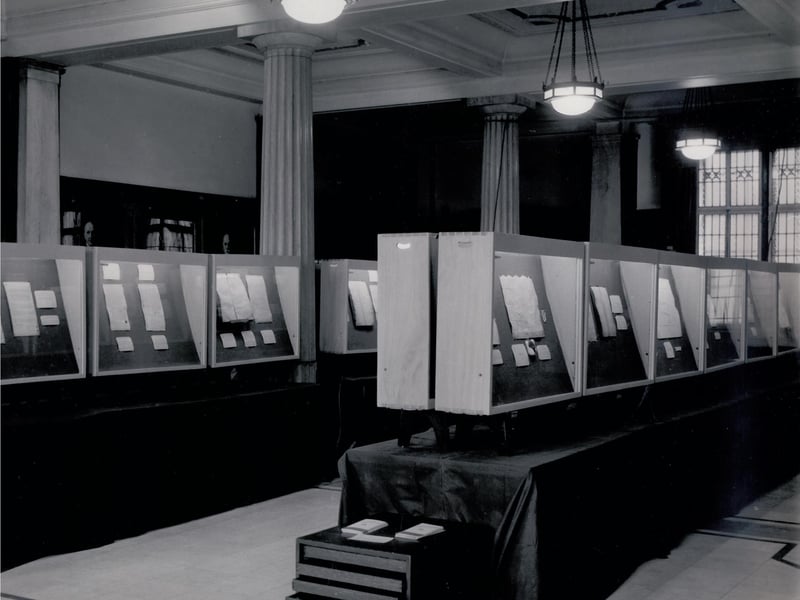
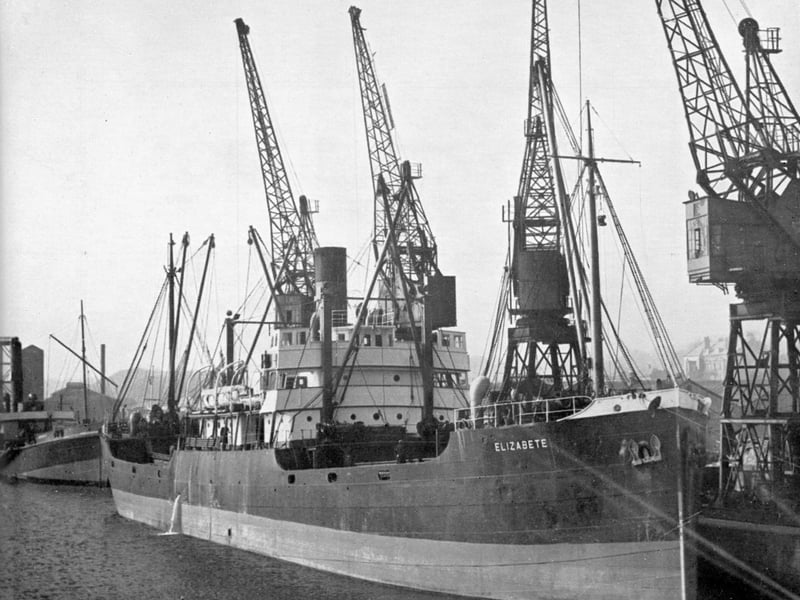
15. Preston Docks c.1950 M.V. Elizabete discharging esparto grass on the north quay at the main basin
National World
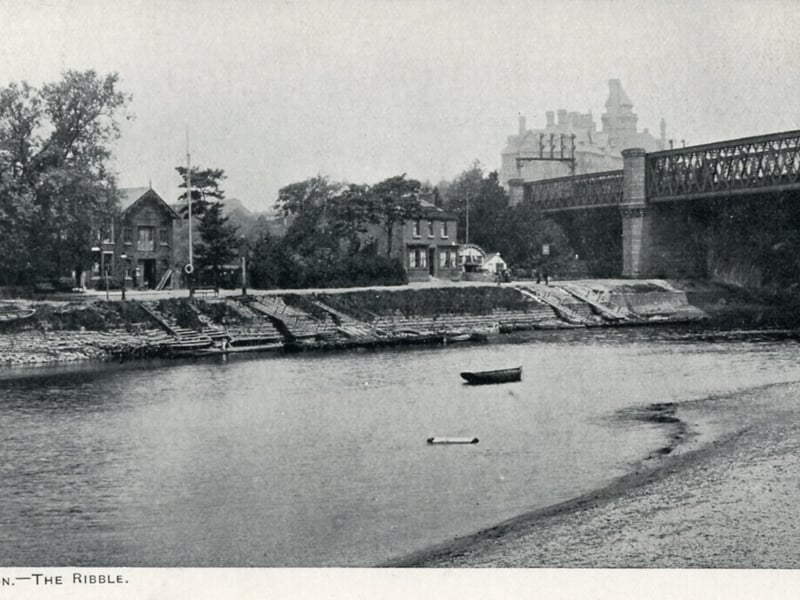
16. Today's nostalgic photo was taken in 1911 and shows The River Ribble in Preston. Boating was a popular pastime here until about 1950. In 1911, the boathouse was under the ownership of Crook's, and was taken over by Cooton's until closing in 1950. Image and information courtesy of Preston Digital Archive.
National World
4 / 6