
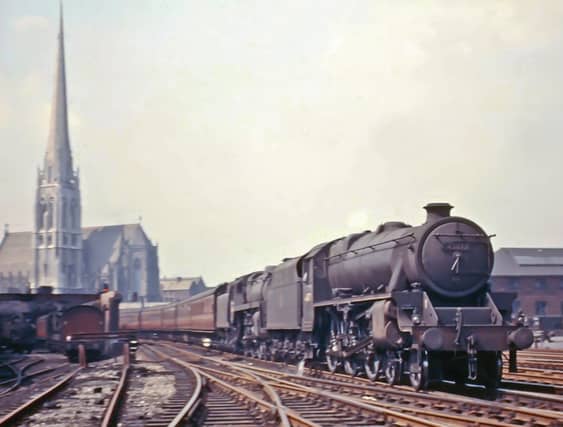


But there will still be plenty of nostalgia for many who can just remember such an age - take a look at a few of our best retro archive pictures of Preston back in those days.
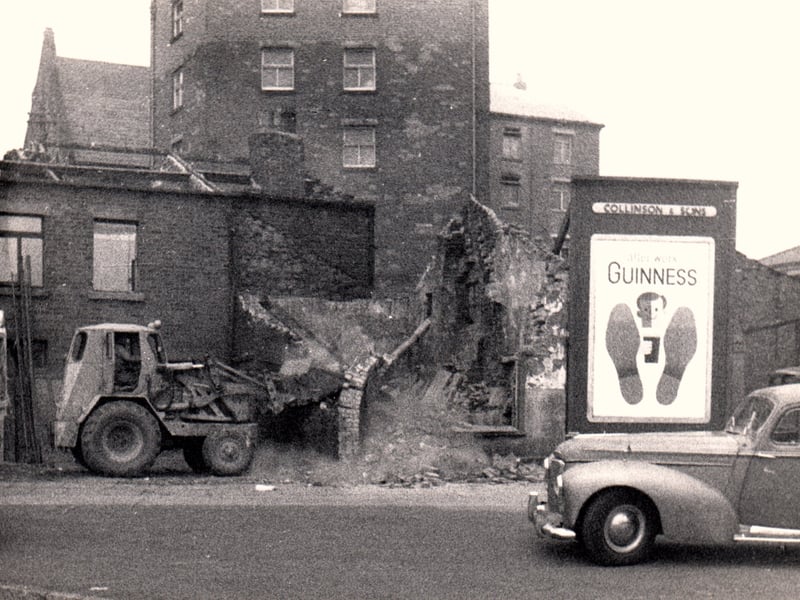
17. Fylde Street, Preston 1961 (1 of 2) Demolition of the old house that was built in one day. The house, built in 1869, was reputed to have been built in a single day as a bet between two workmen. Prominent in the background is H. Shutt's Corn Mill and at top left is the Ragged School on Mill Hill
National World

18. Crew of the tug 'Lucas' at Preston Dock. Lucas was a single screw steam tug. Built 1931 by W.J. Yarwood and Sons, Northwich for £9,444 it operated until 1961 The vessel was named after Alderman William Lucas, Mayor of Preston 1928/9 and 1929/30 Pictured are (from left) Bill Taylor (son), Hugh Taylor (father), ? / ? / ?
National World
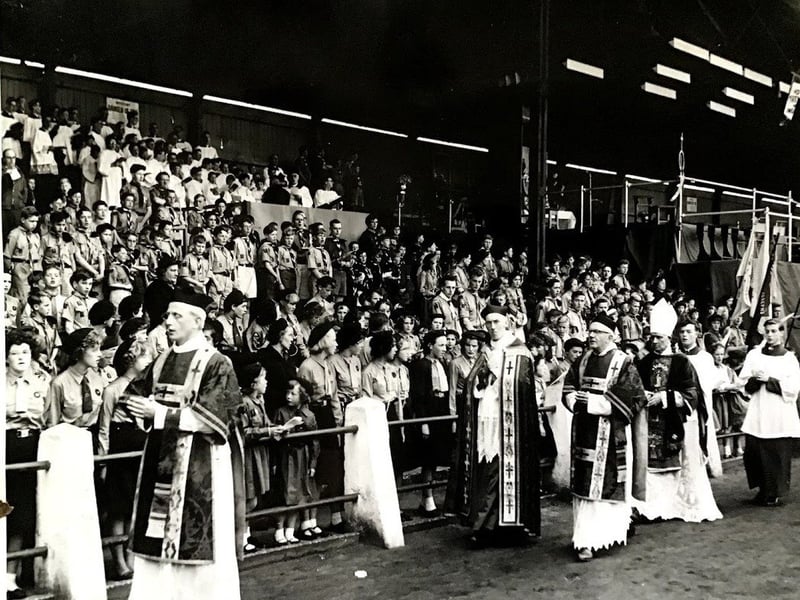
19. Catholic Rally for the Forty Martyrs at Deepdale, Preston. July 1, 1961
National World
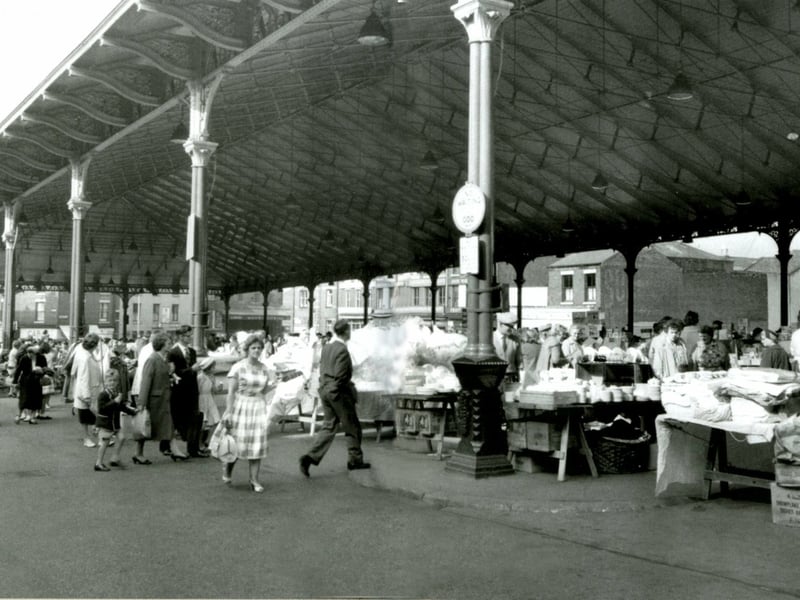
20. The Covered Market, Preston 1961 The building's long axis follows the slope of the site to the west. The structure consists of a long hipped roof supported on cast iron columns and is open on all sides. The gable ends are closed.The long sides are divided into 13 bays by the columns, which are at 26ft 6in centres. Wrought iron principals, or main rafters, at 6ft 7½in centres, support the roof cladding and overhang the columns 5ft 6in on either side of the building. The principals rest on wrought iron trellis girders, resting in turn on the columns and running the structure's length.The columns are 19ft 6in high and the span across the building column centre to column centre is 90ft. There are two intermediate columns (30ft centres) at each of the short ends. The roof is clad in diagonal boarding and grey slate. Of the 12 tenders received for the construction of the market, Joseph Clayton's was the lowest and Willam Allsup's the second lowest. Both were Preston men. Claytonâs contract began on 16 February 1870 for a scheduled completion on 30 July 1870. Proceedings were dogged by disagreements between the engineer, Sykes, and Clayton over alleged design changes by Sykes and contractual non-adherence by Clayton.On 6 August 1870, the partially erected structure collapsed, breaking 14 of the columns. Further disputes took place â including a suggestion from Clayton that Sir William Fairbairn be appointed engineer â resulting in Claytonâs dismissal.Unable to get Allsup to accept Claytonâs rates, P.D. Bennett & Co. were signed up on 25 January 1871. Bennetts suspended work in March 1872 claiming to have found fatal flaws in the design. Allsup then agreed to finish the work at his last tender rates plus 22.5%. The new contract was signed in May 1872.In June 1872, local ratepayers approached Fairbairn for his opinion, which though guarded, was favourable to the original design. The structure was completed in 1875. Three of the column bases are marked "J. Clayton
National World
5 / 13