
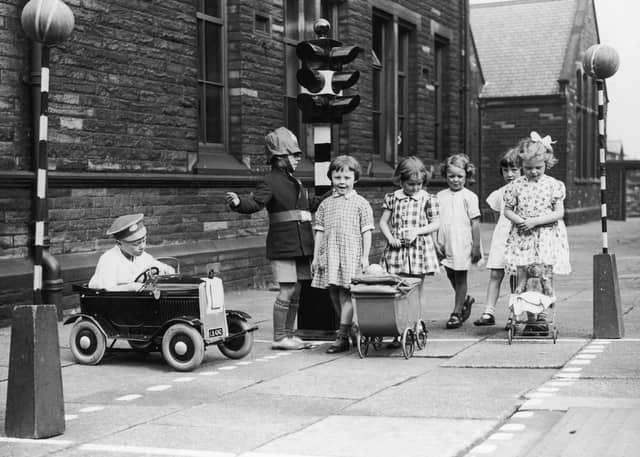


Lancashire began the 20th century as an industrial hub centred on traditional cotton mills and textiles. But after the First World War, there was a decline of the textile industry, partly due to competition from overseas and the Great Depression. It led to the closure of many mills and Lancashire diversified it’s industry. These photos focus on the cotton mills, mining towns, the wars, leisure time on the coast and, of course, the people of the century
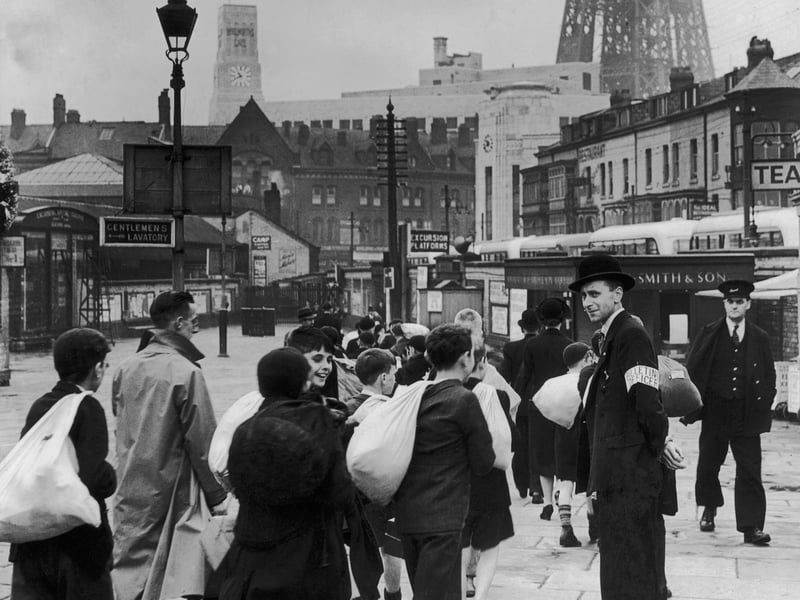
13. Historical Lancashire
A billeting officer (right) looks on as the first group of children to be evacuated in wartime Britain arrive in Blackpool, Lancashire, the day before Britain's declaration of war on Germany, 2nd September 1939. The children are from St James' School, Salford. | Getty Images
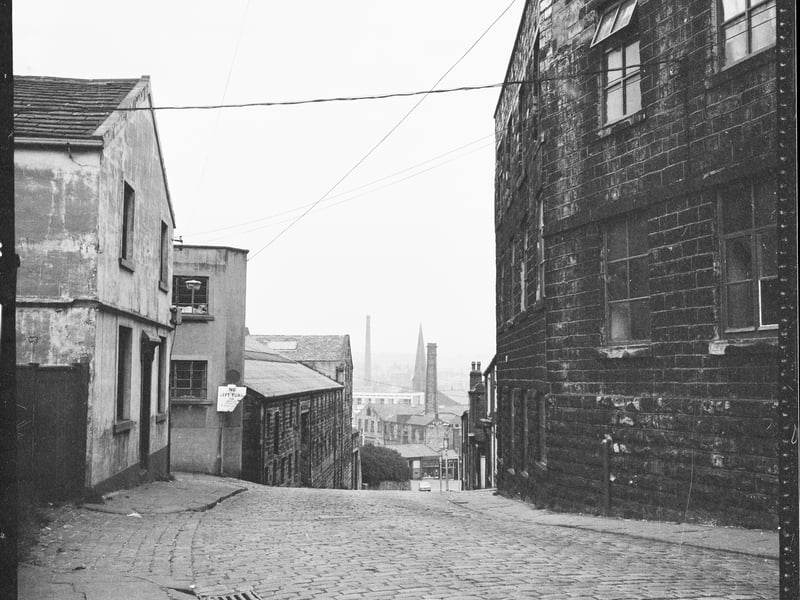
14. Historical Lancashire
Sandygate, Burnley, Lancashire, circa 1966 - circa 1974. A view along Sandygate towards the town centre with the former Neptune Inn in the left foreground and Clock Tower Mill in the right foreground. Artist Eileen Deste | Getty Images
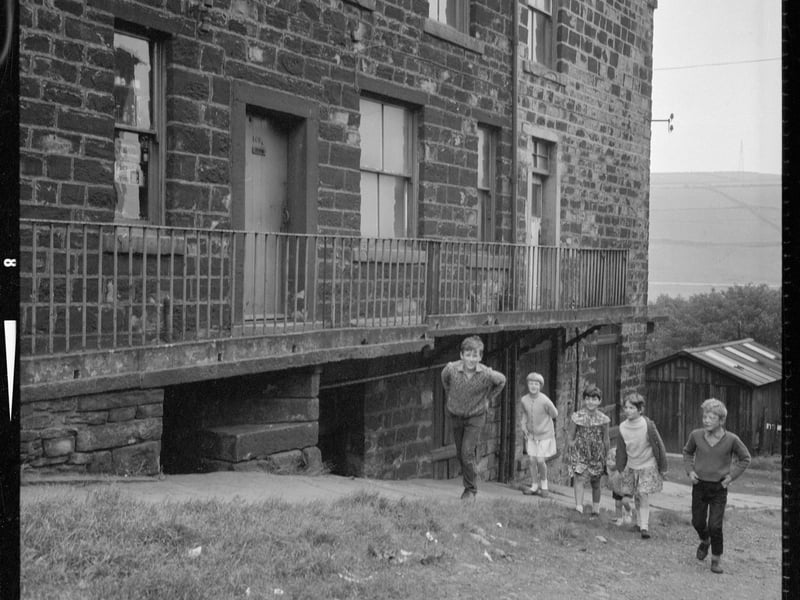
15. Historical Lancashire
467A Market Street, Whitworth, Rossendale, Lancashire, 1966-1974. A group of children walking past the side elevations of back-to-back houses at 465-467 Market Street. The houses shown in the image have been demolished. The alleyway now provides access to modern dwellings on Milner Street. Artist Eileen Deste | Getty Images
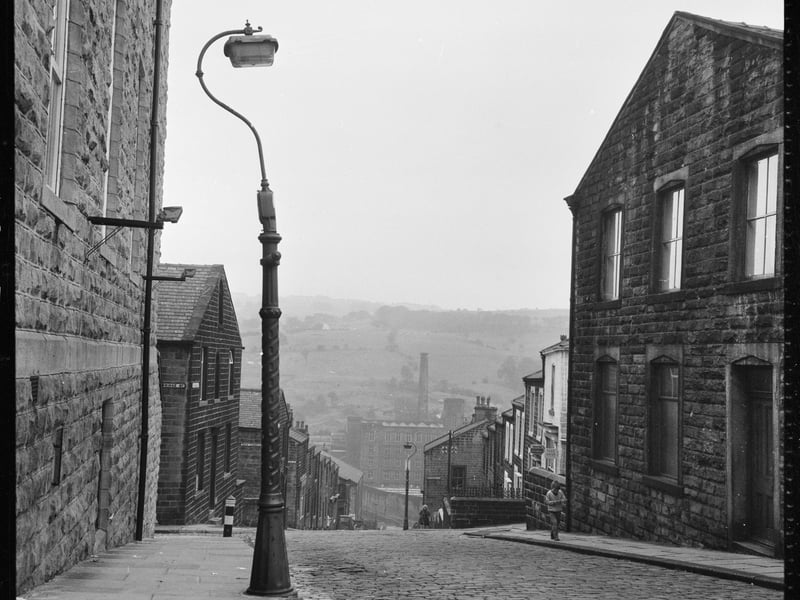
16. Historical Lancashire
Exchange Street, Colne, Pendle, Lancashire, 1966-1974. A view looking south along Exchange Street, Colne with the Tacklers Club in the right foreground and Spring Gardens Mill in the distance. Artist Eileen Deste | Getty Images