
‘You could be saving somebody’s life’: Retailers join crackdown on knife crime in Lancashire
As part of Operation Sceptre, police and Trading Standards officers in Lancashire are joining forces with retailers to help tackle knife crime in the county.
Stop and searches, knife bins, and patrolling police officers are just some of the things which might be spotted more than usual across Lancashire this week.
That’s because police forces across the country are taking part in Operation Sceptre - a twice-yearly campaign to tackle knife crime through education and community engagement.
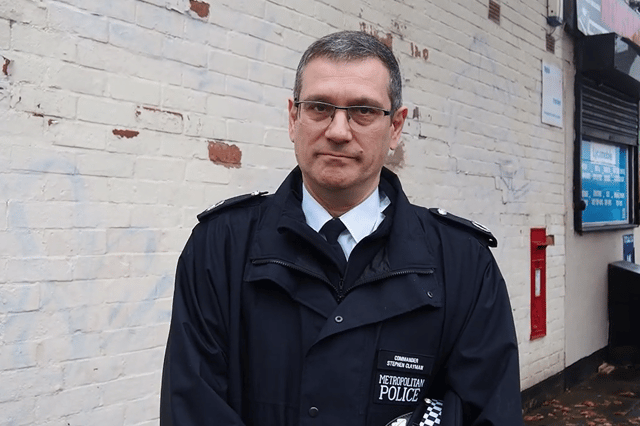
“Knife crime generally is prompted by different crimes, like robbery,” said Stephen Clayman, who leads the National Knife Crime Centre.
“Knife crime occurs everywhere, doesn’t it?
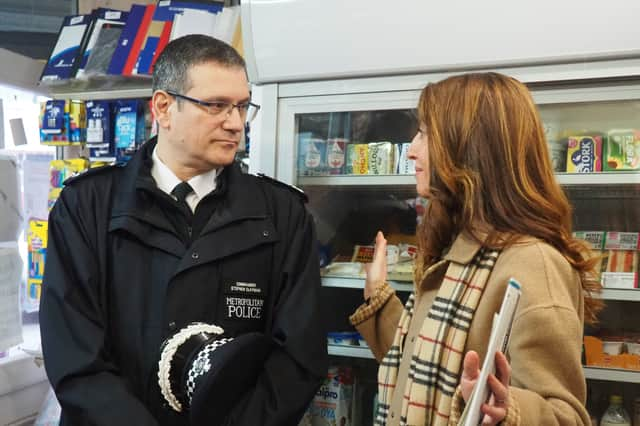

“What we’re trying to do nationally is look at the supply of knives, which is where the the National Knife Crime Centre looks at illicit knife sellers, the ones who are selling online and selling to children without any age verification.”
As it stands, the number of knife crime incidents in Lancashire has sharply dropped over the past year.
According to figures from Lancashire’s Violence Reduction Network, the number of knife crime incidents has fallen by 15 per cent over the past twelve months.
During that same time, there were no victims recorded who were younger than 25, and hospitals around Lancashire saw a 31 per cent drop in patients who were admitted for sharp-object assaults.
Part of the reason for the sudden improvement, according to the report, was more work being done to engage with under-25s who were seen as most at-risk of committing a crime.
As for other reasons for the decline, the introduction of knife amnesty bins and local education initiatives have also done a lot of the heavy lifting to ensure bladed objects are used responsibly in communities.
Throughout this week, officers from Trading Standards are conducting more test purchases than usual to ensure that knives and other sharp objects are not being sold to underage customers.
They are also encouraging more retailers to join the Responsible Retailer Scheme, which provides additional training and guidance to shopkeepers.
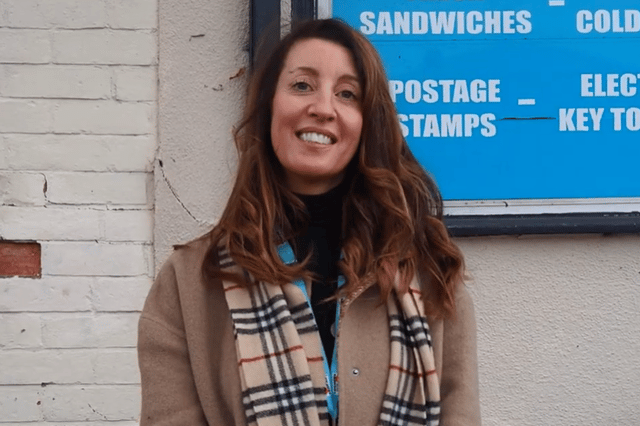
“We first launched the scheme in the north of the county in 2024, and since then we’ve pretty much covered the whole of Lancashire, said Trading Standards officer Andrea Teasdale.
“We’ve got 480 members of the scheme now, so we’ve got a really food understanding of the retailers who do stock and sell knives.
“The scheme itself is around supporting retailers to apply due diligence and the right measures to prevent knives from falling into the wrong hands.
“We very much encourage retailers to apply the Challenge 25 approach and avoid selling to anyone under 18, and look at how they are storing their knives and blades to prevent them from being stolen and used against another member of staff or the public.”
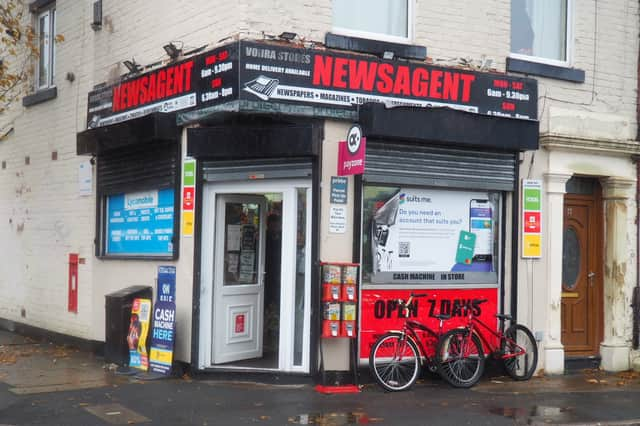
Sohel Vohra runs a newsagents in Broadgate, Preston. Alongside confectionary, newspapers, and common household goods, his shop also stocks a selection of tools and sharp objects, as many of his customers are tradespeople.
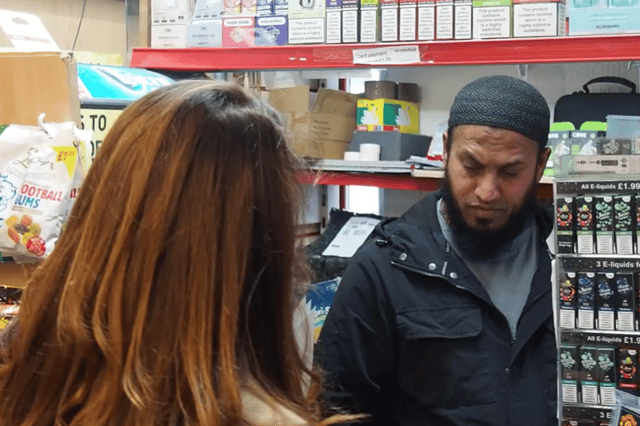
He told the Lancashire Post that he joined the Responsible Retailer Scheme to ensure he and his staff knew the laws around selling sharp objects - and what to do if they were concerned about a customer.
“We joined because we do sell a few knives, and we can monitor who we’re selling to,” he said.
“Obviously we have [Challenge 25] to keep us safe and to know who we’re selling to, but it’s making sure that the customers buying it aren’t going to commit a crime.
“If we feel that they’re in a situation, or they look vulnerable, or like they are going to commit a crime, we’d obviously refuse it as well - it’s mainly to keep us safe.
“The process was quite easy, and the Trading Standards officers explained everything quite easily. We did the online training as well.”
“Since launching the scheme, we’ve had a significant reduction in the sale of knives to young people during test purchasing operations,” Andrea said. “We’ve also seen a reduction in retailers selling knives.
“We’re also really promoting the e-learning and training around the sale and storage of knives, which has broadened and upskilled the retailing staffing teams. So, it’s been really positive.”
Sohel said: “It’s nothing to be scared of, really, and it’s quite a simple thing to do. You can monitor who you’re selling to and keep your customers safe.
“f somebody does come in buy a knife and they do look vulnerable, you could actually be saving a crime from happening, or saving somebody’s life at the same time. Everybody benefits from these schemes.”