
Incurably-ill Lancashire MP’s huge goal to save 320,000 lives from cancer over next 10 years
11,000 people have given feedback on what needs to change.
A Lancashire MP who went into politics to change cancer care for all is making good on her promise.
Ashley Dalton, who represents West Lancashire in the Commons, helped to write the National Care Plan before stepping down as Health Minister due to her own cancer treatment.
Now the Leyland-raised 54-year-old - who was diagnosed with metastatic breast cancer in 2024 - has become the Government’s new Advisor for the National Cancer Plan, and is determined to see it come to life.
Not only does she want to reduce the number of lives lost to cancer but also reduce the quality of life lost to cancer. She said: “For too many of us a cancer diagnosis has meant giving up the things we love; the things that give us our sense of identity and purpose; the things that connect us to others and a community. People told us it was about maintaining quality of life and so we will help people to stay in or get back to work, to enjoy hobbies again, to lead life with cancer not have cancer lead their life.”
She said: “Cancer care is not where it should be. Performance targets are not being met - the timings of when people should start treatment has not been met since 2015, and that’s a real problem.
“The timeframe is 62 days and while some people will get their treatment on day 63, I spoke to a lady yesterday who has been waiting three months to start treatment, and that’s completely unacceptable.
“It’s not just about the outcome though - whether cancer goes from curable to incurable during that time - it’s also about the stress and anxiety it puts on people to have to wait.”
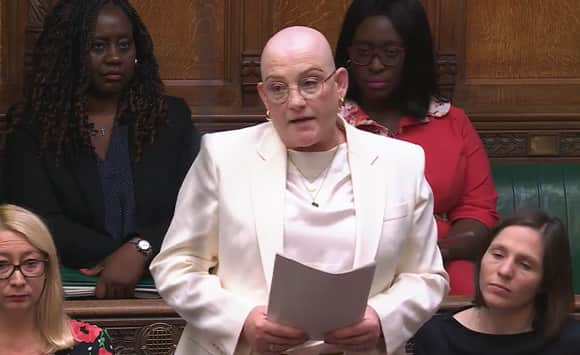

Ashley’s work has involved speaking with patients, experts and voluntary organisations on the front line of cancer treatment to understand the real picture, focus on actions, and understand where blockages are affecting the system. The plan has been shaped by an extensive call for evidence exercise, held from February to April 2025. More than 11,000 responses were received, including almost 7,000 from former or current cancer patients and 2,000 carers of people with cancer.
Ashley said: “The plan has not been written inside government walls, it’s been written with the cancer community, by speaking to patients, voluntary services, consultants and people who are on the front line.
“The plan is ambitious and it’s not going to be easy, but it can be delivered.”
What is the National Cancer Plan for England?
The National Cancer Plan is a 10-year strateg to transform cancer prevention, diagnosis, treatment, and living-with-cancer support across the NHS. Its core goal is for 75 per cent of people diagnosed with cancer in 2035 to be cancer-free or living well with cancer five years after diagnosis.
Key actions include:
- Rolling out the Lung Cancer Screening programme nationally by 2030 and increasing the sensitivity of bowel cancer screening, catching thousands of cancers earlier and saving thousands of lives.
- Passing the Tobacco and Vapes Bill, meaning no one born on or after January 1, 2009, will be able to be legally sold tobacco – the leading avoidable cause of cancer.
- By 2028, the NHS App will be the front door for cancer care, allowing patients to manage screening invitations, appointments, and treatment plans. By 2035 it will bring together genomic and lifestyle data with the single patient record to provide personalised risk profiles and prevention advice, giving patients greater control of their health.
- More patients will be able to access genomic testing, both to find more people with a higher inherited risk of cancer and so that every patient who needs a genomic test to support treatment gets one, with results returned in time to make a difference to their treatment.
- Every patient will have a named neighbourhood care lead to coordinate their care and support after treatment.
- There will be increased recruitment to clinical trials, particularly for patients with rare cancers, from poorer areas, and from ethnic minority groups, who have been less able to join clinical trials in the past.
- Delivery of up to 10,000 cancer vaccines and sped-up roll-out of other new technologies, including AI-assisted analysis of chest X-rays and pathology.
Stay in the loop with everything happening in Preston and across Lancashire.
Follow us on Facebook for breaking news, live updates and the stories that matter to you.
Ashley said: “The National Cancer Plan was something Labour had wanted to bring in since before I was elected, and for me to be involved in it is a real privilege.
“The whole thing is huge. It is a personal and professional achievement for me to see this come to life. When I stood for Parliament in 2023 I did a video explaining why I wanted to be an MP, and part of that was because of delays in my own cancer diagnosis and that of my late ex-husband. That experience...that’s got to change.
“It’s astonishing, really, to be able to write it (the plan).”
Although diagnosed as incurably ill, she said her treatment is holding her cancer at bay, and she feels “relatively well’, so still wanted to work on the project.
She said: “I stil have the relationship with stakeholders, so I suggested to Yvette Cooper ( Secretary of State for Health and Social Care) and James Frith (Parliamentary Under-Secretary of State in the Department of Health and Social Care) could I get involved in some way as it’s so deeply important to me.
“People assume that if you’ve got incurable cancer that you’re desperately ill - and I’m not. I manage the side effects and I carry on. I love to do my work, so I am carrying on - and have every intention to do so for years to come.”
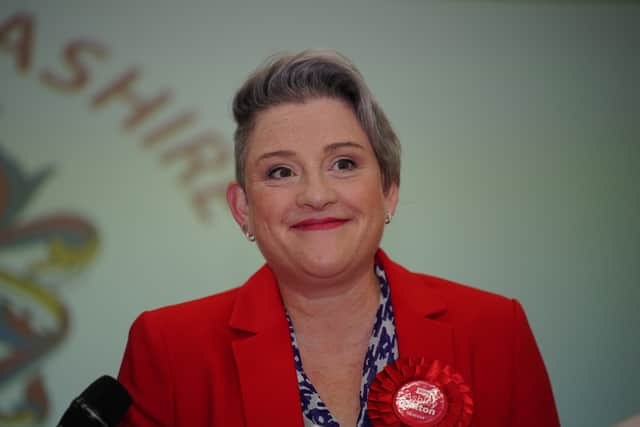
Ashley said mental health is a huge part of a cancer diagnosis and living well, and she approaches her life and work with a certain frame of mind. She said: “Being positive isn’t going to give me any more days, but it will change the type of days I have. I heard someone say the other day, ‘It’s not about asking what’s the matter with you, it’s about what matters to you.’
“And what a privilege to be able to work to improve something that affects one in two of us. There’s not that many other things that will affect so many of us like that. But strategy and plans are no good if they sit on the shelf getting dusty - we have to deliver.”