
This is when clocks go back this weekend - and what is Coldplay frontman Chris Martin's connection

The clocks are set to go back in time this weekend.
Lancastrians can enjoy an extra hour in bed this weekend as the clocks go back, marking the end of British Summer Time.
In the UK the clocks go forward one hour at 1am on the last Sunday in March, and back one hour at 2am on the last Sunday in October - meaning that Monday morn slog we will all be more rested for!


Why did the clocks originally go back in the UK?
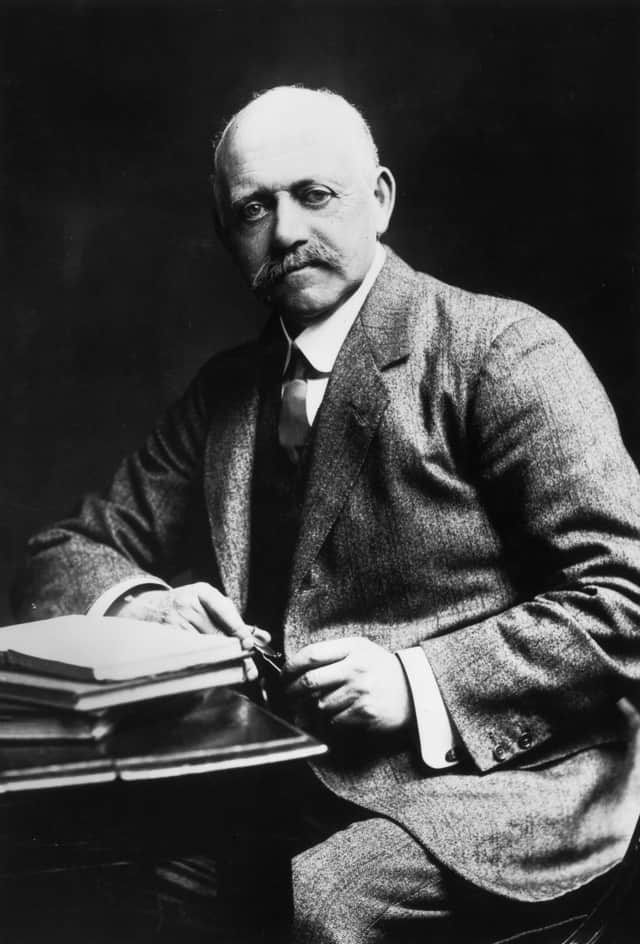
William Willett - an early promoter of British Summer Time and great-great-grandfather of Coldplay singer Chris Martin - published a pamphlet in 1907 titled 'The Waste of Daylight', which suggested changing the clocks in the spring and putting them back in the autumn.

In 1916, a year after Willett's death, Germany became the first country to adopt daylight saving time.
The UK did the same a few weeks later, along with many other nations involved in the First World War (1914-1918). Within a few years of its introduction, many countries across the world adopted Daylight Saving Time.
Why do the clocks turn back?
Changing the clocks allows us to maximize the amount of sunlight we get while we're awake. Contrary to popular belief, daylight saving was not introduced to help farmers get some extra sun, nor was it an invention of Benjamin Franklin. Instead, lawmakers thought that it might lead to less use of electricity.
However, with the clocks going back at the end of October and darker mornings and evenings setting in, new research from Dreams has revealed the impact the darker months are having on people across the North West.
It comes as wider research from Dreams reveals the extent of the region’s sleep struggles, with 73 per cent of people in the North West experiencing difficulties with their sleep at least sometimes, and people in the region struggling an average of 2.95 nights a week.
Nearly half of people in the North West say darker mornings and evenings negatively impact their energy levels, while 42 per cent say their mood is negatively affected.
Top tips for getting a good night’s sleep include:
Not looking at your phone an hour before bed.
Taking a relaxing bath.
Playing soothing sounds.
Spraying lavender on your pillow.
Reading a book.
Drinking camomile tea.