
£150,000 'floating tractor' scheme to stop Lancashire's canals turning green
“Floating tractors” are removing around 30 tonnes of weed per week from waterways across the region.
A £150,000 weed removal programme has been announced to tackle a growing problem for canals across the North West.
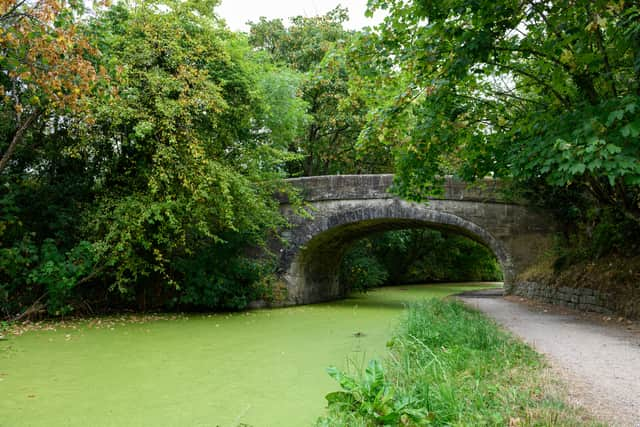
Warmer summers and longer growing seasons have been fueling the faster growth of invasive and nuisance aquatic plants - turning waterways green and making maintaining and navigating the historic waterways more challenging and costly.
Warmer weather increasing the spread
During the summer months and early autumn, aquatic weeds like duckweed, floating pennywort and azolla grow extremely quickly. These fast-growing plants spread quickly through the canal network and, when warm temperatures and sunshine create ideal growing conditions, can rapidly form a thick green carpet across the water's surface. Carried naturally by the movement of water, they can quickly establish themselves over large stretches of canal.
Left unchecked, the weed causes problems for boats, rowers and anglers, while also starving underwater plants of light and reducing oxygen levels needed by fish and other wildlife. This can have a damaging impact on species including kingfishers and otters that depend on healthy canal habitats.
Managing the weeds
To help manage aquatic weeds, the Canal and Rivers Trust have deployed a fleet of amphibious weed harvesters, known as Truxors, that cut and collect dense vegetation. These floating tractors are removing around 30 tonnes of weed per week from waterways across the region, including:
- Ribble Link, from Lock 4 to Lock 8, near Preston
- Rufford Branch of the Leeds & Liverpool Canal, from St Mary's Marina to Tarleton Lock
- Shropshire Union Canal, from Chester to Tilstone, and Ellesmere Port to Backford
- Leeds & Liverpool Canal from Johnson's Hill to Blackburn, Red Rock to Wigan, and Lydiate to Aintree

Maintaining reliable water supplies
So far the Trust has spent more than £150,000 on the programme, but that figure will increase with further weed clearance works scheduled to start on the Trent & Mersey Canal, from Barnton to Preston Brook and from Acton Bridge to Dutton Stop Lock, as well as the Peak Forest Canal from Marple to Hyde.
Steve Maguire, contracts and compliance manager, said: "Our charity works hard throughout the year to manage weed growth across the region's waterways, but warmer weather and longer growing seasons mean the challenge is increasing. Aquatic weeds are growing faster, spreading further and requiring more intervention than in the past.
"This year alone we've already spent more than £150,000 removing weed from North West canals, and the programme continues to grow. As a charity, finding this additional money isn't easy, but keeping canals open, protecting wildlife and maintaining reliable water supplies for boaters and local communities makes this work essential.
"Our canals and rivers are wonderful places for people and nature. With hotter summers becoming more common, investment in maintaining these historic waterways is becoming increasingly important if they are to continue delivering benefits for wildlife, boating and communities long into the future."