
Why the Lancaster Canal in Preston has turned a startling bright green colour

The waterway, which winds its way through the city, has turned a startling green - like a thick carpet of grass...
Lancaster Canal in Preston has turned green due to the rapid growth of an invasive water fern over the summer months.
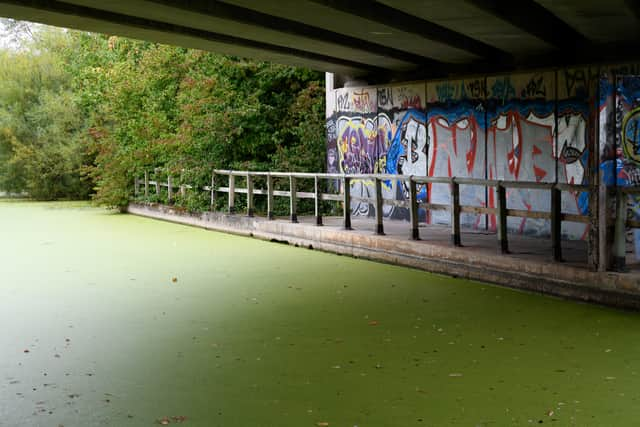
The waterway, which winds its way through the Ashton, Ingol and Cottam areas of the city, now resembles a thick green carpet of grass.
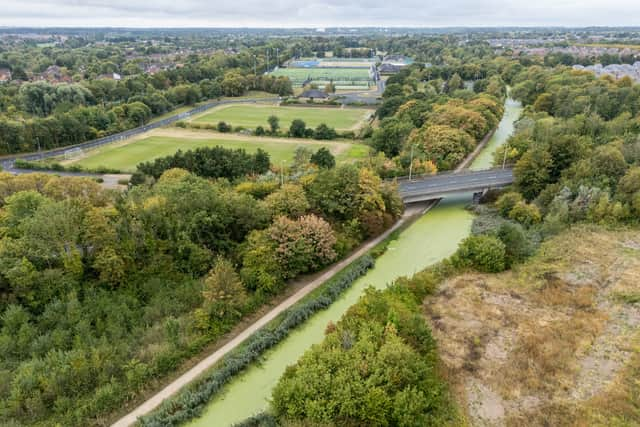

The canal often turns green on the Preston stretch and the agency responsible for its upkeep say it’s caused by water fern (azolla filiculoides). In autumn and winter, the fern changes into a reddish brown colour.
The Canal & River Trust say they are aware of the problem. In the past, they have released weevils - tiny beetles - into the water to feed on the foliage and help combat the invasive weed.
Don’t miss the stories shaping Lancashire. Sign up to our free breaking newsletter
Diane Rollin, an ecologist at waterways charity Canal & River Trust, said: “Our charity works hard to tackle invasive plants and algae on our canal network.
“The hot and very dry weather we’ve seen this summer has provided ideal conditions for the weeds to grow, which has been exacerbated by high nutrient levels from agricultural and urban run-off, and it’s been a challenge to keep on top of it.
“Last year we released weevils, a type of beetle that offer a natural and environmentally friendly solution, into the Lancaster Canal between Ashton-on-Ribble and Lea, which appear to be combating any new water fern (Azolla Filculoides) infestations this season.
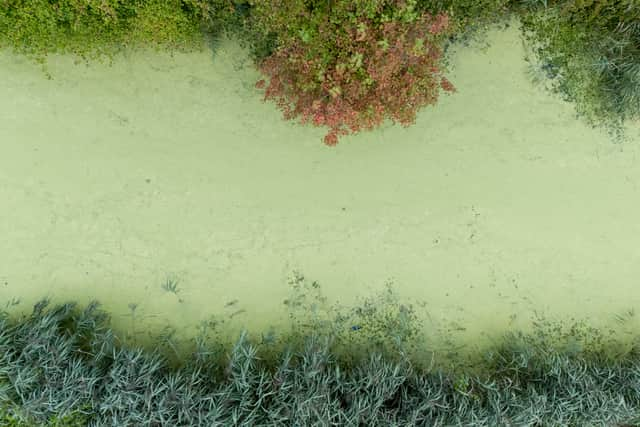
“The rain forecast this week should help dissipate the aggressive plants, and as the temperatures start to lower the weed will start to recede too.
“Our wonderful volunteers also do a fantastic job helping our colleagues clear the weeds, and we welcome support from anyone interested in making a difference in the area.”
The water fern poses a number of problems because it spreads like a sponge across the water and can double in area within days. This reduces light beneath the surface and shades out other native plants, as well as causing deoxygenation, leading to the death of fish.
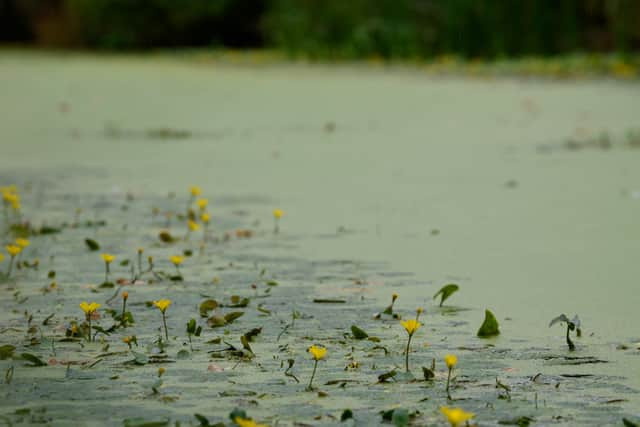
It can also pose a hazard to dogs and wildlife by appearing solid. The Post has previously reported on a man whose dog ran into the canal after mistaking it for grass.
But dog walkers and boat dwellers have been told the plant is not toxic to people or animals, however, it can clog up the rudders and steering mechanisms of barges.
The Canal & River Trust was approached for comment.