
'It's about sharing what you know and learning from everybody else': Preston Society marks 150th anniversary
The Preston Society first launched in 1876, and has been a home for Lancashire’s nature enthusiasts ever since.
A natural history society in Preston is this year celebrating its 150th anniversary.
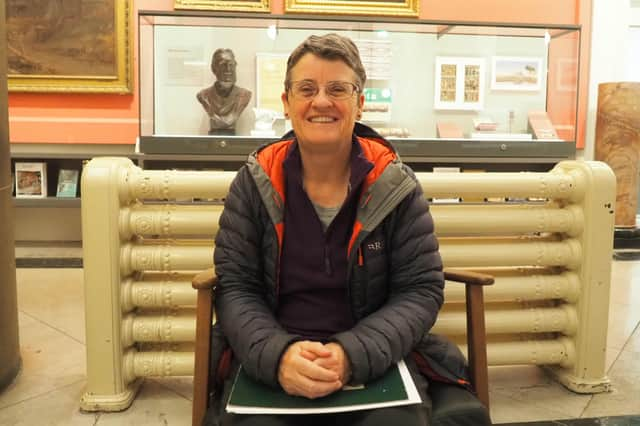

The Preston Society: Birdwatching and Natural History, formerly known as the Preston Scientific Society, has been gathering together in Preston since 1876.
It currently boasts a whopping 61 members, and together, the group are often seen heading out across Lancashire on various field trips to explore, appreciate, and occasionally investigate the natural world.
Meanwhile between October and March, the group hold regular expert talks on flora and fauna at their base in St. Leonard’s Church in Penwortham.
To mark 150 years since the Preston Society was first launched, earlier this month, the group welcomed author and naturalist Lucy Lapwing to discuss her book ‘Love is a Toad’, which explores humans’ relationship with nature.
“To be honest, it was only part way through the year that we realised, ‘Oh, it’s the anniversary’,” treasurer Louise Butler told the Lancashire Post. “We thought we’d do something at the beginning of our calendar year, so we asked Lucy to come.
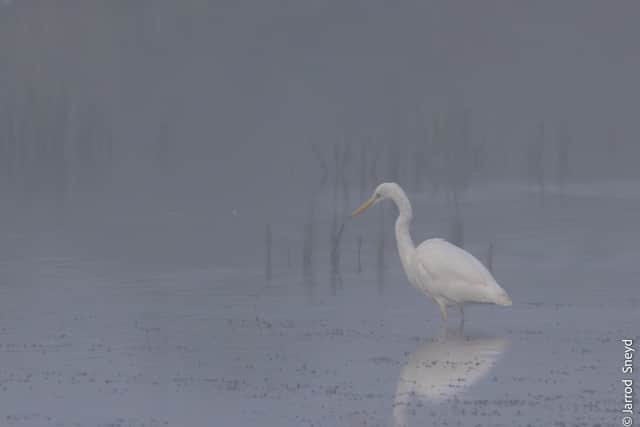
“We now call it the Preston Society: Birdwatching and Natural History, but people have an interest in everything.
“The majority of people are interested in birds, but we have a couple of members who are particularly interested in wildflowers and mosses and fungi.”
It’s been 18 years since Louise first joined the Preston Society, and six since she joined the committee in 2020 as the group’s treasurer.
“[I’ve been interested in birdwatching] since I was a child,” she said. “My mum and dad were into birdwatching, but I didn’t get into it until I was about 30-odd. But I only ever bird-watched on holiday, and I didn’t do it every weekend or anything like that.
“I think for me, there’s an accessible number of birds that you can see in Britain. There’s a limit to how many birds we get, so it’s more attainable to try and see them all, I think there is something about that mentality - everybody likes to collect something, don’t they?”
Back in the early days, the Preston Society included enthusiasts in everything from photography, to surveys, to astronomy.
Then-based in the Ellesmere Chamber on Church Street, the Society launched during the Victorian era, in a time where the UK was undergoing a scientific and technological awakening.
As individual ‘specialisms’ began to gain more and more traction among members, separate groups began to flourish away from the wider Society, eventually leaving behind only the Natural History section.
Since Louise joined in 2008, she recalled seeing huge changes in technology - as well as the people who now frequent the group compared to when she started.
“We don’t get as many amateur scientists who do their own research and their own studies,” she said.
“There was that, especially in the early days in the Victorian era, where you had people doing their own field studies. You still get some people doing their own research but not as much.
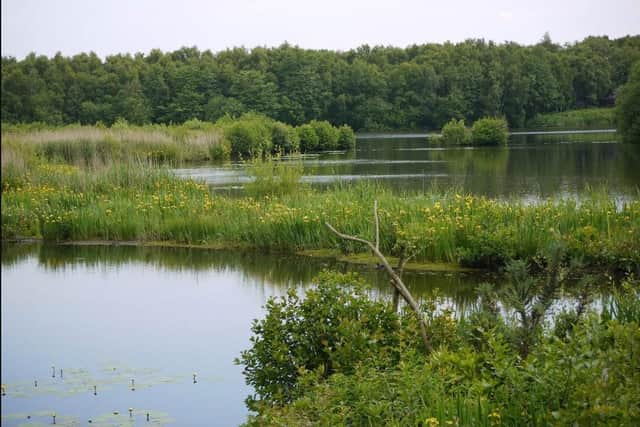
“There’s been a boom in birdwatching in general, though. And it’s a lot easier to take pictures of what you see and you’ve got a record of it.
“There’s things like the Merlin app - if you’re out walking and hear a bird, you can switch the app on and it will tell you what you’re listening to - so I think that’s sparked a lot of interest.”
As it stands, the Preston Society is now on the lookout for more members to join its ranks, especially as the number of people joining the society began to dwindle after the Coronavirus pandemic.
“Every year we have the same problem of trying to get people to come on board,” Louise said. “It’s also getting harder and harder to find speakers and have a programme: we used to have about 25, and now we have 17, which is still more than a lot of groups.
“But I think people will always be going out and birdwatching, and going out on walks and stuff.
“People get pleasure from teaching people something, which is what we’re all about - sharing what you know and learning from everybody else. That’s the best thing about all of this.”
The Preston Society meets every Monday evening at the St. Leonard’s Church in Penwortham, and conduct regular trips throughout the year.
An annual member ship costs £25, and the group welcomes anyone with an interest in nature regardless of age or knowledge.
Further information is available on the Preston Society website.