
Why delay in abolishing Preston City Council is ‘frustrating, but may be useful’, according to leader
Lancashire’s district authorities have more days ahead of them than they thought.
The leader of Preston City Council says he hopes the “frustrating” delay to the overhaul that will see the authority abolished will last no more than a year.
Matthew Brown was responding to the government announcement on Monday that a shake-up of Lancashire’s councils that ministers themselves had demanded was being paused to check that it is lawful.
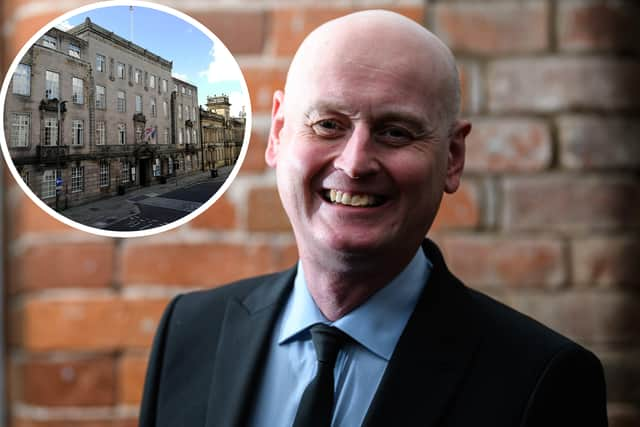

Under the changes - which were set in motion by the government almost two years ago before finally being confirmed in July - Preston will merge with the local authorities covering Lancaster and Ribble Valley to create a new North Lancashire Council.
The new authority is one of four that were set to be established in April 2028 to replace Lancashire’s 15 current councils.
However, local government secretary Angela Rayner stunned the sector with her statement in the Commons that most of the near two dozen council streamlining revamps taking place nationwide were on hold - with no indication of when they would now happen, other than that the government was working "at pace” on the issue.
From Preston, Chorley and South Ribble to the stories everyone across the county is talking about, stay one step ahead with the Lancashire Post breaking newsletter.
Cllr Brown told the Lancashire Post he was hopeful that the new-look Lancashire would come into being no more than 12 months later than originally planned.
“We'll be pushing for the fastest possible timetable, but it is extremely frustrating to still be stuck in the [current] system, which really does make it difficult to make change possible sometimes.
“However, we'll live with it and we'll engage positively with the government and seek to get these new councils over the line [quickly],” the Labour leader said.
A longstanding supporter of all-purpose ‘unitary’ authorities of the type the government plans to create - his preference was originally one just for a new ‘Greater Preston’ area - Cllr Brown said he was confident the government was still committed to sweeping away the ‘two-tier’ system in Lancashire. That arrangement sees responsibility for services divided between district authorities like Preston and Lancashire County Council.
However, he can nevertheless see a silver lining to Preston City Council remaining in existence for a further year.
“We do have a distinct set of radical ideas and it will give us hopefully more time to implement them. With many of the things we want to do - for example, looking at a new [entertainment] venue and other [projects] - giving us a little longer might not be a bad thing,” Cllr Brown added.
During the transition period to the formal takeover by the new councils, they would first come into being in so-called ‘shadow’ form - and, from that moment, are likely to have to be consulted by the authority they will replace before the latter can make major capital spending decisions.
Any commitment to the rebuilding or refurbishment of the Guild Hall, as alluded to by Cllr Brown - or other policies requiring a splashing of public cash, such as expanding the city authority’s embryonic council house-building programme - could have found themselves at the mercy of the shadow North Lancashire Council from May next year.
With the government having now postponed the elections that would have created the new organisation, the point at which the existing Preston City Council loses a degree of autonomy has been pushed back, seemingly for at least a year.
However, Angela Rayner’s statement to MPs referenced not only the need to check the legality of the new local government landscape she wants to create, but also that it “meet the priorities of the new…Prime Minister“.
While telling South Ribble MP Paul Foster that Andy Burnham’s administration was "absolutely committed to…local government reform”, her comments hinted that it was at least possible this particular version of it might yet be strangled before birth. The former deputy Prime Minister also failed to directly answer a question from Harwich and North Essex MP Sir Bernard Jenkin as to whether retaining two-tier councils might be an option.
The delay to local government reorganisation also looks likely to have implications for when Lancashire might be able to get an elected mayor, should it ever agree to the introduction of the role in the county.
The government’s current policy is that any planned restructure of the local authority arrangements in an area must predate the installation of a mayor to oversee devolved powers.
While Lancashire has had a basic devolution deal in place for two years, its tortured transition to a deeper, mayor-led set-up - if and when that ever secures local agreement - would now appear to be on hold until the four new councils are fully fledged in April 2029 at the earliest.
Although frustrated at the move to a Lancashire mayoralty already “taking too long”, Matthew Brown says he does not believe switching the order of the two processes is practical.
“My personal view is that the elected mayor needs to wait until we do actually get the reorganisation completed, at least in shadow form.
“I would really feel for a new mayor having to work with 15 council leaders and [the three different types of council in Lancashire at the moment].
“I just think that would really scupper them making the changes they might want,” Cllr Brown said.