
Lancashire would probably ‘quite like the idea of an elected mayor’ if asked, Preston debate hears
Is the county finally close to agreeing a mayoral deal - and what will be the benefits if and when it does?
Lancashire residents would likely give “a positive answer” to the question of whether the county should have an elected mayor, according to one of the leading proponents of devolution.
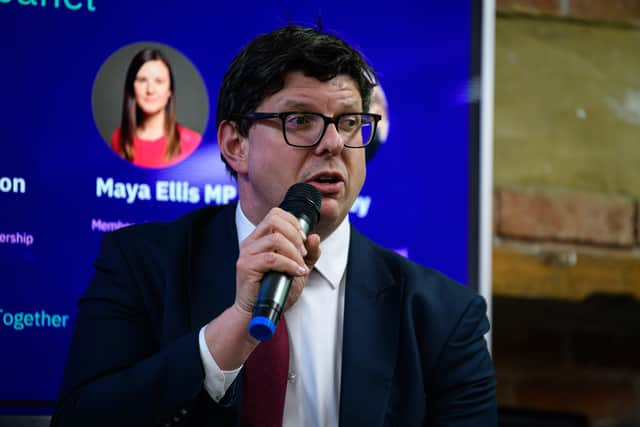
Henri Murison, chief executive of the Northern Powerhouse Partnership, told an audience in Preston he believed the more the public see of the mayoral model, the more they like it.
He was speaking at an event in the city last week - staged by the Preston Partnership - during which one of the county’s most vexed political subjects was debated. Panel members mulled over when - and even whether - the county might see a mayor installed.

Join our WhatsApp channel
After more than a decade of discussion - often characterised by intractable disagreement between Lancashire’s 15 council leaders - Lancashire will next summer become the only part of the North of England not to have its own mayor. As things stand, there is still no indication of how long that island status will last.
Another of the panelists at the event, Cllr Phil Riley - who sits on the Lancashire Combined County Authority (LCCA) devolution body - issued a stark warning in answer to a question from a member of the audience about the biggest roadblock to Lancashire getting a mayor, even a year later in 2028.
The Blackburn with Darwen Council leader said that in the wake of a meeting he and his fellow LCCA members had with devolution minister Jim McMahon last month, the organisation - which oversees Lancashire's current devolution deal - had been invited to send a letter to the government confirming that it wanted to head down the mayoral route.
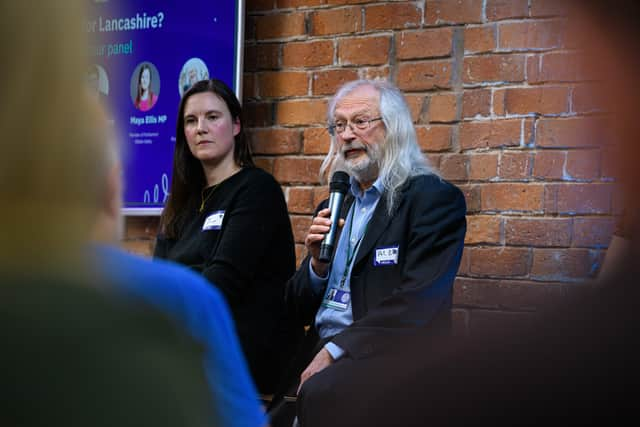
“The sooner we get it in to government, the [better] - and if we can [do that] in the next few days, the indication is that there will be a line put in the budget, which will be for Lancashire [to have a mayor],” Cllr Riley said.
That was on 14th October - and the Lancashire Post understands that the delicate process of drafting the correspondence has continued since.
The final version requires the agreement of the LCCA’s three leading members, two of whom - Cllr Riley and fellow Labour politician Lynn Williams, who leads Blackpool Council - are keen for Lancashire to have a mayor as soon as possible.
The third - the Reform UK leader of Lancashire County Council, Stephen Atkinson - has long been a mayoral sceptic. He has repeatedly said Lancashire needs to confirm what additional funding it would receive in return for a mayor before signing up for the figurehead - and establish whether the government would also cover the running costs of a county mayoralty.
As the Post previously revealed, the former was addressed at September’s meeting with Jim McMahon, when the minister suggested Lancashire would be in line for around £35m a year for 30 years - just over £1bn in total - commensurate with similar-sized areas that have done mayoral deals.
The Post now understands that the issue of ‘capacity funding’ for day-to-day expenses was also discussed, with an indicative £1m-a-year figure suggested to the LCCA members.
However, County Cllr Atkinson has previously said as much as £5m might be required annually - and that any shortfall would lead to an extra charge, known as a precept, being levied on Lancashire council tax bills.
He told a full council meeting at County Hall last week that the LCCA was still “in a conversation with [the] government”.
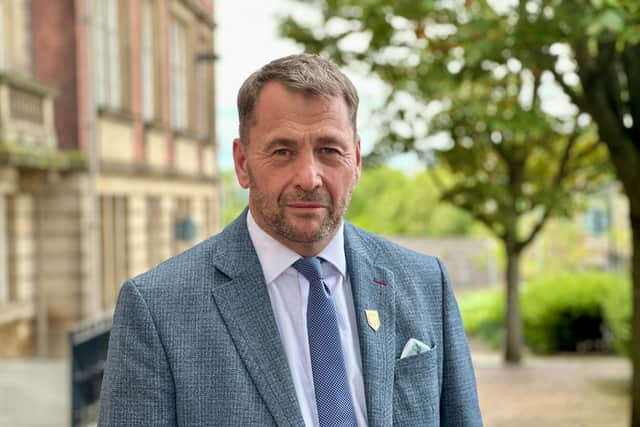
“We are asking if they will provide capacity funding. If they will not…I'm afraid that cost will probably land on Lancashire residents.
“We are talking to government to get the facts [about] what a mayoral deal will bring to Lancashire in terms of investment [and]... capacity funding to pay for that extra layer of bureaucracy - and we're waiting for the government's white paper on rewiring the state to see what extra powers will come.
“Then we'll have an open conversation with the residents of Lancashire,” said County Cllr Atkinson, who campaigned for election last year on pushing for a referendum on a mayor.
The Reform administration at County Hall was invited to join the panel at the Preston Partnership event - chaired, at the city’s Cotton Court facility, by Blog Preston founder and editor Ed Walker - but said it was unable to send a representative.
Henri Murison told the audience he was “hugely sympathetic” to political leaders who have “obviously made various promises at various times to consult and do other things”.
However, he went on to stress that the public seem open to the benefits of a mayor flying a flag for their own area once they witness them in action.
“A lot of people who've seen Steve [Rotheram, the mayor of the Liverpool City Region] and Andy [Burnham], when he was a mayor, on the telly don't particularly dislike the model.
“I think they get the fact that it's a bit more visible and it helps to connect politics with everyday lives. So I think when you ask the question, I think [you] will probably get quite a positive answer.
“You can then debate when you have elections exactly what sort of mayor you want or what they'll do. In the end, the people of Lancashire will decide what direction they want to go in - whether they want to pay a little bit more tax or not pay any more tax - [and] what the money that's being given through [a mayoral deal] should be spent on,” Mr. Murison said, adding that there were “significant amounts of genuine political choice” within the process.
He also told the audience that one of the biggest benefits of a mayor was that it acted as a counterpoint to the political reality that local government finance in recent years “has not allowed you to do many things that are discretionary - that aren't the things you have to do [by law]”.
“If you are going to be able to change the economics of this part of the country, many of the districts within Lancashire…are some of the most disadvantaged in the country - and at the moment they are not getting the support they need.
“I think it's in the interests of residents whether they live in some of the most prosperous parts of [the] county or some of those most disadvantaged places, that someone has the ability to intervene - and not just deal with the consequences of economic failure, but start to address some of the causes as well.
“So you can look at investing in innovation - not just in early-stage businesses, but helping established businesses often to adopt technologies that already exist. [and] that's actually about skills.
“The challenge in Lancashire is there's no-one to do that - there's no institution able to invest in that activity.
“And then we also know that investing in connectivity and better public transport has a significant economic benefit,” Mr. Murison said, noting that public sector support for all projects is also key to "leveraging private investment".
On the subject of whether any of that mayoral endeavour requires a council tax precept, Cllr Riley stressed that the vast majority of existing elected mayors do not raise any money beyond that provided by the government.
One of those that does - the Prime Minister's former mayoral area of Greater Manchester - is this year charging an extra £62 on a Band D household bill to fund activity over and above those it could otherwise afford.
‘We need a mayor who can get the job done’
Panelist Jane Dalton, founder of the Groundswell Innovation consultancy, said the message from Lancashire businesses to the county’s politicians would be to “crack on” with getting a mayor, because the saga has been “going on long enough”.
However, she stressed that there were three key elements to the “job description” which any individual elected to the role must be capable of fulfilling.
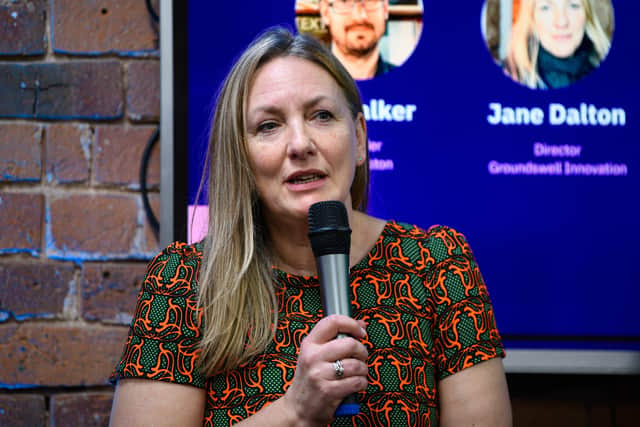
“[It requires] somebody who can be a charismatic leader [and] who can be that kind of technical administrator, get[ting] things done - but also [an individual who] is a collaborative systems thinker.
“If we have somebody who we can vote for who has those qualities, then they will recognise that what we need is to look at the challenges across the piece - and understand the priorities across the county,” Ms. Dalton said, referencing issues such as the degree to which life expectancy varies in different parts of Lancashire.
From a business perspective, she said many companies had been operating in recent years “without any support net” - and needed the “helping hands” a mayor could offer.
She said many business people had launched their ventures as “subject specialists, not as entrepreneurs” - and were then left having to “navigate this crazy environment we have at the moment”.
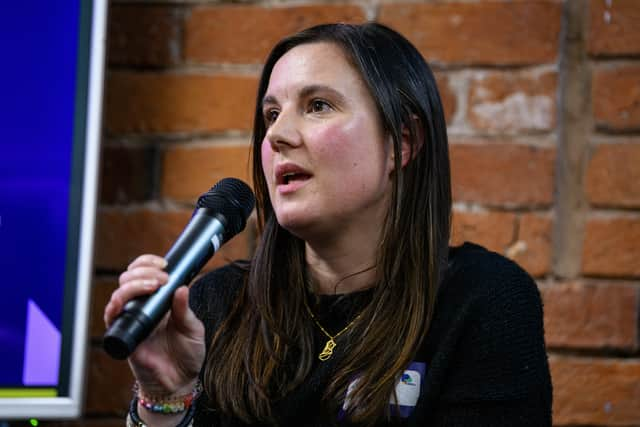
Echoing Ms. Dalton’s comment that Lancashire was already doing good work on issues such as closing the skills gap, Ribble Valley MP Maya Ellis - who chairs the All-Party Parliamentary Group on Lancashire - told the event it was important that the county did not just wait for a mayor to come in and solve its problems.
“I don't think we're starting from scratch - we've got these great networks [and] great businesses. It’s just about replacing some of the funding we had and being able to crack on with some of the stuff we were already doing in a really powerful way,” the Labour parliamentarian said, referring to the money lost to the county since Brexit.
“We need to be getting our act together and…keeping up those networks.”