
Much loved firefighter from Chorley died of extremely rare disease

A firefighter died from an extremely rare form of cancer, an inquest was told.
Crew Manager Ian Ball, aged 52, died in Royal Preston Hospital in June 2024. How he contracted the disease remains a mystery.
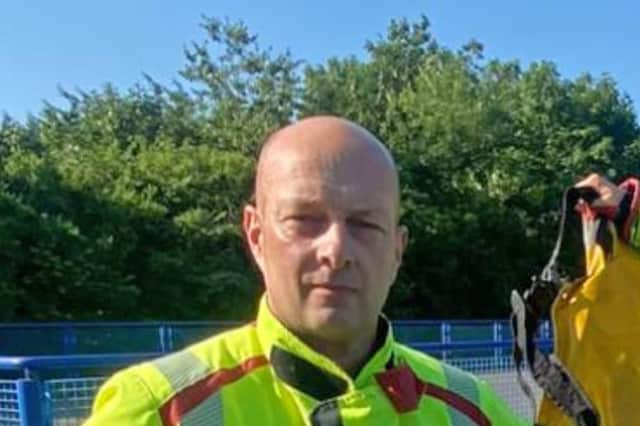

Mr Ball, of Eccleston, near Chorley, served with Cheshire Fire and Rescue Service who called him an “outstanding firefighter and much-loved colleague”.
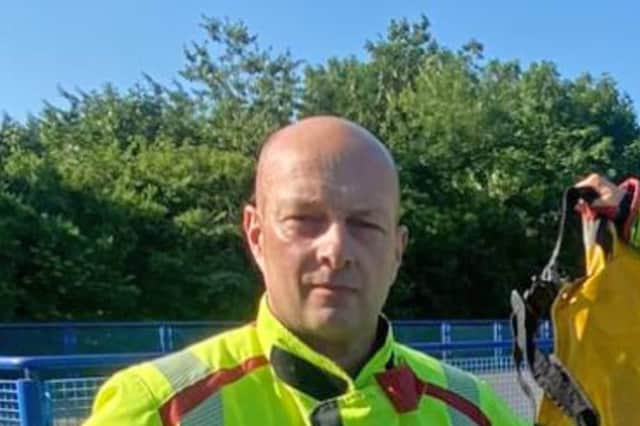
Area coroner Kate Bissett recorded a conclusion of death by natural causes at an inquest into Mr Ball' death at Preston Coroner's Court.
Mr Ball died from PTTM, with lung cancer a secondary cause. The heating was told that PTTM was so rare there had only been 160 cases recorded worldwide.
It was often undetectable until after death and was untreatable.
The inquest was also told that studies into a possible link between firefighting and cancer had proved no link whatsoever.
Mr Ball, a keen cyclist and fitness enthusiast, joined Cheshire fire service in 1998 and was promoted to crew manager in 2021.
In 2023 he underwent a hip replacement and in December of that year was seen by doctors at Wrightington Hospital complaining of chest pains.
Tests were undertaken and possible pneumonia was considered.
Mr Ball was treated and discharged and died some months later in Royal Preston Hospital in June 2024 after suffering a number of strokes.
Pathologist Dr Neil Papworth said in a statement the cause of death was PTTM, with lung cancer a secondary cause.
Dr Papworth said PTTM was usually fatal and it was very difficult to diagnose in life.
The inquest heard that cancer had been suspected by health professionals but it was deemed too dangerous to carry out a biopsy on Mr Ball.
The possibility of the cancer being linked to his job was considered, but studies had found no conclusive evidence.
Tony Hughes of Cheshire fire and rescue service said firefighters often used breathing apparatus when attending incidents which was constantly checked and updated.
Firefighters were given regular refresher courses in its use.
Consultant radiologist Dr David Russell said PTTM was a very rare and difficult condition. Concerns were raised in Wrightington Hospital after a CT scan showed a possible blood clot and increased pressure in Mr Ball's pulmonary arteries.
There was no obvious lung tumour at the time and even though Mr Ball's heart was strained his fitness saw him through.
In March 2024 another CT scan was carried out at Royal Preston Hospital, with similar findings to Wigan. Cancer was suspected.
Dr Russell said the PTTM was very difficult to detect, and even if it was it would have been untreatable.
Coroner Ms Bissett said she did not feel that Mr Ball's death could have been prevented.
Referring to Mr Ball's career as a firefighter and the disease, she said: "I have no evidence of any conclusive link. But it can't be ruled out."