
10-day inquest to rule on death of 'Diorpaw' drug dealer who died inside Lancashire prison
A drug dealer who supplied vast amounts of cocaine and heroin has died behind bars in Lancashire - and an inquest date has been set to determine what happened.
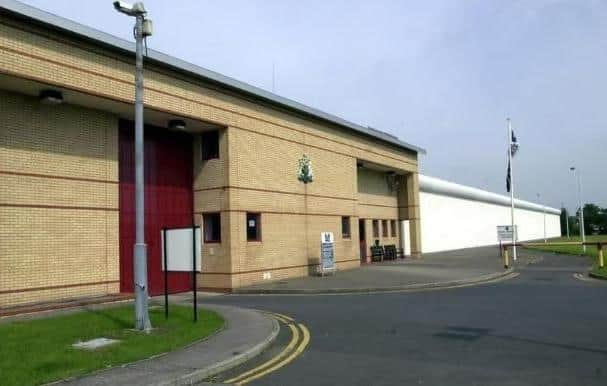
Johnpaul Digweed, originally of Harlech Road in Crosby, died at HMP Garth, near Leyland, on April 13, 2024.
The 35-year-old was known as ‘Diorpaw’, and was serving a 25-year prison sentence for supplying vast amounts of cocaine and heroin.
The Prison and Probation Ombudsman (PPO) has begun an inquiry into his death, and a 10-day inquest has now been listed to take place at County Hall, Preston, June 15, 2026.
This will decide upon the circumstances leading to his death, with the coroner able to make any recommendations to the prison service, if necessary.
Background
According to the Liverpool Echo, Digweed was sentenced in 2022 after he was unmasked as a drug dealer who moved 40 kilos of class A drugs using the name "Diorpaw" on EncroChat, an encrypted communications network which operated as a "WhatsApp for criminals". He tried to deny he was behind the handle, but was not believed by a jury.
Prosecutors said he could be connected to the supply of at least 30 kilos of cocaine and 12 and a half kilos of heroin - mainly to other dealers in Devon and Cornwall.

What is an inquest?
An Inquest is an investigation into a death which appears to be due to unknown, violent or unnatural causes, designed to find out who the deceased was, and where, when and how (meaning by what means). In some inquests, for example where the person has died whilst in custody or state detention, the scope of the inquest can be widened to include the broader circumstances leading to the death – but the Coroner decides on the scope of the inquest.
The "how" question is usually the most difficult. Coroners are responsible for making enquiries where the cause is unknown and the investigations are done on their behalf by a Coroner’s Officer. It is different to other Courts because there are no formal allegations or accusations and no power to blame anyone directly for the death. At the end of the Inquest, the Coroner will give his/her Conclusion and this will appear on the final Death Certificate. The death can then be officially registered.