
Hornet nest discovery puts Lancashire beekeepers on red alert
All summer beekeepers and environmentalists have been monitoring the invasive species
Beekeepers in Lancashire have been placed on red alert following the first discovery of a yellow-legged hornet nest in the North West.
All summer beekeepers and environmentalists have been monitoring the invasive species which is a huge threat to native bees.
The hornets have been seen near bee hives and keepers are worried the species’ voracious appetite for insects will be a disaster for local bees - especially during September’s breeding season.
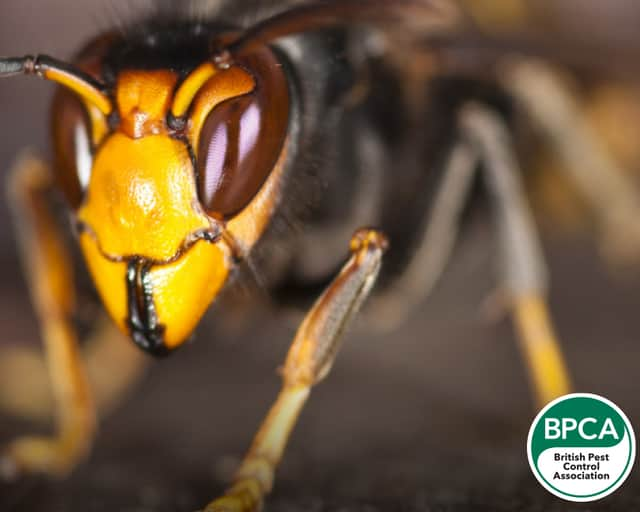

Now, beekeepers are appealing to the public to keep an eye out for the hornets.
The nest was found hidden in a tree in Oldham by DEFRA bee inspectors.
It was destroyed over the weekend and beekeepers from Lancashire and Greater Manchester have joined forces to track down any other nests in the region.
And the British Beekeepers Association (BBA) is calling on the public to help spot Yellow‑Legged Hornets during the week September 7-13, when reproductive hornets are actively mating.
Anyone finding a nest is advised not to disturb it.
A BBA spokesperson said: “Yellow‑Legged Hornets are highly defensive; their sting can be dangerous for people with compromised health, and they can spray venom that causes severe eye irritation.
“Anyone who inadvertently disturbs a nest should leave the area immediately.”
Dave Heaton, regional lead for Yellow‑Legged Hornets added: “Finding the first nest in Oldham is a reminder that vigilance matters.
“The public report was crucial — it allowed us to act quickly with DEFRA inspectors and prevent a potentially large population from establishing.
“Early reporting saves wildlife, protects pollinators, and helps us stay ahead of this invasive predator.”