
CQC inspectors demand Freckleton care home makes improvements - here's why
Some improvements at the home have been noted.
A Freckleton care home has been told it must do better following a Care Quality Commission (CQC) inspection.
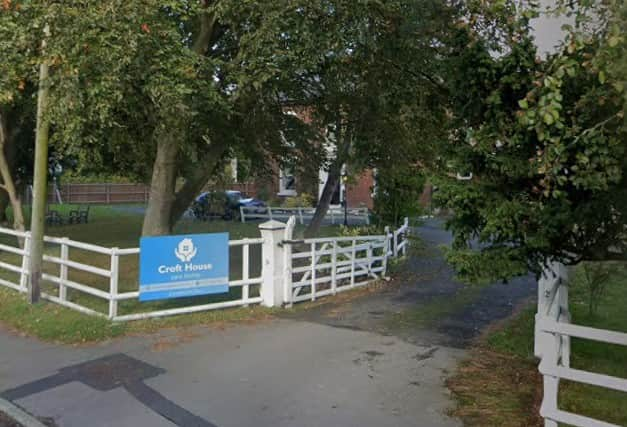
Croft House Rest Home in Kirkham Road has been rated overall as ‘Requires Improvements’, having failed to meet expected standards in being safe and being well-led. It rated as ‘good’ in terms of being effective, caring and responsive.
It follows an inspection to review whether improvements had been made since a warning notice was served on the service providers in May for failing to meet the regulations related to safe care and treatment and good governance.
A report issued publicly on October 19 revealed concerns raised by inspectors during an assesment in September. The assessment was undertaken to review compliance with the legal regulations.
Inspectors found some improvements during the latest visit, and the provider was no longer in breach of the regulations relating to staffing, consent and safeguarding. However, they found continued breaches of the regulations regarding good governance and safe care and treatment.
Although inspectors didn’t find any evidence of harm, their concerns included:
- “(The provider) did not always concentrate on improving people’s lives or protecting their right to live in safety, free from bullying, harassment, abuse, discrimination, avoidable harm and neglect.”
- “The provider did not always share concerns quickly and appropriately.”
- The registered manager had not submitted abuse notifications to CQC which is their legal duty to do so.
- “The provider did not always work well with people to understand and manage risks. Care was not always provided in a way that met people’s needs in a safe and supportive way.”
- There were three people with diabetes, however for one person there was no diabetes care plan or clear guidance to help staff manage the condition. Additionally, two further people required their blood sugar levels to be monitored four times per day, however this evidence had not always been recorded.
- The provider did not make sure that medicines and treatments were safe and met people’s needs, capacities and preferences. Inspectors found some medicines were not stored securely and that one person received a medicine that expired, and for the same person, staff had not recorded when a liquid medicine was opened, therefore it was not clear whether the medicine had expired. Staff also did not always sign medicine records to show people received their medicines as prescribed.
- Some audits were overdue and there was no evidence to show the service undertook fire drills, which was also found at the previous assessment.

Positives
A number of positives were also reported, including:
- Staff felt supported to give feedback and were treated equally, free from bullying or harassment.
- People with protected characteristics felt supported.
- Managers worked with the local community to deliver the best possible care and were receptive to new ideas.
- People knew how to give feedback and were confident the provider took it seriously and acted on it.
- People had enough to eat and drink to stay healthy.
- Staff made sure people understood their care and treatment to enable them to give informed consent.
- People were treated with kindness and compassion. Staff protected their privacy and dignity.
- Staff responded to people in a timely way.
“Very positive” experiences
During the assessment, inspectors poke with people who lived at Croft House Rest Home, and their relatives. They said: “All feedback we received was very positive. People felt safe and well cared for, one person said, “Staff are very helpful, they go above and beyond in a calm and relaxed way.” A second person said, “The staff will do anything for you, and I have everything I need.”
The report added that people said staff seemed well-traned and people’s rooms were “maintained to a high standard and we were told rooms were cleaned daily.” Reidents reported that they “really enjoyed” the meals provided and were supported to stay active and stimulated through different activities both in and outside the home.