
Why the classic British road trip is changing

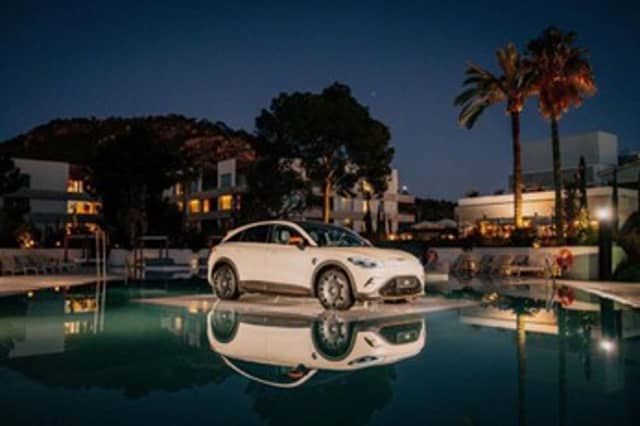

The classic British road trip is evolving as more drivers switch to electric vehicles, bringing new routines, technology and travel habits along for the ride.
Few travel experiences are as familiar as the British road trip. For generations, family journeys have followed a similar formula: pack the boot, fill up with fuel, argue over the playlist and stop whenever someone needs the toilet before eventually arriving at the destination tired but relieved.
While those traditions are unlikely to disappear completely, the growing popularity of electric vehicles (EVs) is gradually changing the way people travel by car. Charging stops are becoming part of the journey. For decades, a fuel stop was little more than a quick break. Drivers would pull into a petrol station, fill the tank and get back on the road within minutes.
Electric vehicles are changing that routine. Rather than being purely functional, charging stops can encourage drivers and passengers to take a proper break, whether that's stretching their legs, grabbing a coffee or stopping for a meal.
As charging technology improves, those breaks are becoming shorter, too. Newer vehicles are capable of rapid charging, allowing drivers to top up batteries in a fraction of the time previously required. Among them is the smart #5 electric SUV, which can recharge to nearly a full battery in under 20 minutes when paired with the appropriate rapid charger.
A growing charging network is also making EV travel easier. One of the biggest concerns for prospective EV owners has traditionally been whether there are enough charging points available, particularly for longer journeys.
That picture is changing rapidly. Charging infrastructure continues to expand across the UK, with new charge points appearing in cities, towns and motorway service areas. For drivers still considering the electric versus hybrid debate, the increasing availability of charging facilities is making fully electric vehicles a more viable option for everyday driving as well as longer-distance travel.
Family cars are evolving. Electric vehicles have come a long way from the compact city cars that first introduced many people to the technology. Today's electric SUVs are designed with families in mind, offering generous boot space and room for everything from holiday luggage and camping equipment to bikes and sporting gear. As a result, many drivers no longer see choosing an EV as a compromise when it comes to practicality.
Technology is making journeys more comfortable. The road trip may still be about reaching a destination, but advances in vehicle technology are helping make the journey itself more enjoyable.
Modern navigation systems can automatically plan routes and locate charging points, while cameras and driver-assistance features help reduce stress behind the wheel. USB charging ports, climate control systems and connected infotainment features have also streamlined the travelling experience for passengers.
The era of paper maps, CD wallets and spare AA batteries may not be entirely forgotten, but it is increasingly becoming a thing of the past. The destination hasn't changed, but the journey has. Ultimately, the essence of a road trip remains the same. Families still pack the car, choose a destination and head off in search of a break from everyday life.
What is changing is the experience along the way. As electric vehicles become more common and charging infrastructure continues to improve, the traditional road trip is entering a new chapter, one shaped less by fuel gauges and service stations and more by technology, comfort and a different approach to travelling.