
New study suggests tattoos linked to increased lymphoma risk: Prof Robert Thomas says more research needed

Tattoos could increase your risk of getting certain cancers, according to a new study. Professor Robert Thomas looks into the findings.
A new study from Sweden has found that tattoos could be linked to an increased risk for a type of cancer called for lymphoma, part of the lymphatic system. The long-term health effects of tattoos has been the subject of a lot debate over the years but not much hard scientific evidence.
Although people with tattoos do have a slightly higher cancer risk, this was always thought to be due a tendency to make lifestyle choices which could increase the cancer risk. What make this study from Lund University, different is that they specifically accounted for factors like smoking and age, and still found that the risk of developing lymphoma was 21% higher among those with tattoos.
More specifically they identified people diagnosed with lymphoma via population registers and matched them with a control group of the same sex and age but without lymphoma.
Participants answered a questionnaire about lifestyle factors, including whether they had tattoos. The study included 11,905 individuals, with 2,938 diagnosed with lymphoma between ages 20 and 60. Of these, 1,398 responded to the questionnaire. The control group consisted of 4,193 participants.
Among those with lymphoma, 21% had tattoos, compared to 18% in the control group. The research team did not find that larger tattoos correlate with a higher lymphoma risk compared to smaller ones.
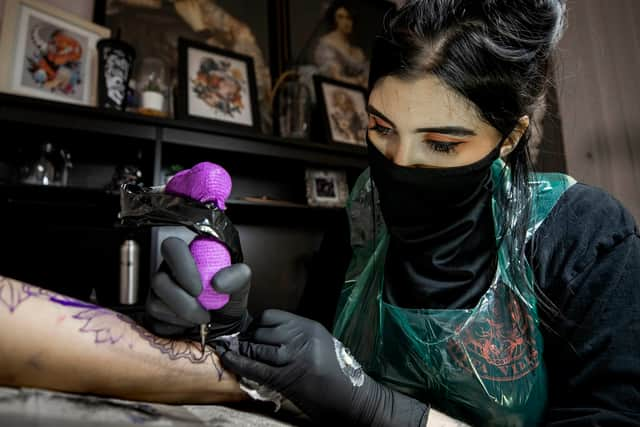

How tattoos could increase cancer risk
One theory on how tattoos could increase cancer risk is that any tattoo, regardless of size, triggers low-grade inflammation in the body, which could potentially lead to cancer.
Most people get their first tattoo at a young age, leading to prolonged exposure to tattoo ink. When tattoo ink is injected into the skin, the body sees it as foreign, triggering an immune response. A significant amount of ink is transported from the skin to the lymph nodes.
The research team in Sweden plans to investigate potential links between tattoos and other cancer types, as well as other inflammatory diseases.
In conclusion, it's crucial to remember that lymphoma is rare, and these results show an association not direct causation. That said, tattoos are a popular form of self-expression and so it's vital for society to ensure they are safe.
More studies are needed to verify these findings and yet these new findings underscores the importance of ongoing research to fully understand the health implications of tattoos and to inform safe practices for those who choose to get inked.