
Rare dwarf buffalo calf born at Chester Zoo stands just 50cm tall

Chester Zoo has celebrated the birth of a critically endangered dwarf buffalo, described as the world’s smallest, in a boost to international wildlife conservation.
Chester Zoo has welcomed the arrival of a rare dwarf buffalo calf, offering fresh hope for one of the world’s most endangered species. The lowland anoa, which stands just 50cm tall at birth—the same height as a standard traffic cone—was born to mum Darcy following a ten-month pregnancy.
Named Mentari, the newborn tipped the scales at only 7kg (15lbs) when she was delivered on Thursday, June 27. Despite her diminutive size, she is expected to reach up to 300kg and a metre in height as an adult.
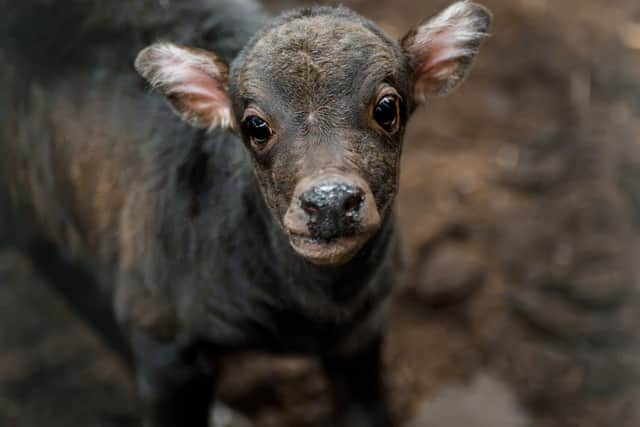

The birth is a significant moment for conservationists, with fewer than 2,500 lowland anoas believed to remain in the wild. Native to the forests and swamps of Sulawesi in Indonesia, the species faces a precarious future due to habitat loss and illegal hunting, according to the International Union for the Conservation of Nature (IUCN).
Mentari has spent her early days bonding with her mother in a safe den, before venturing outside under the careful watch of the zoo’s team.
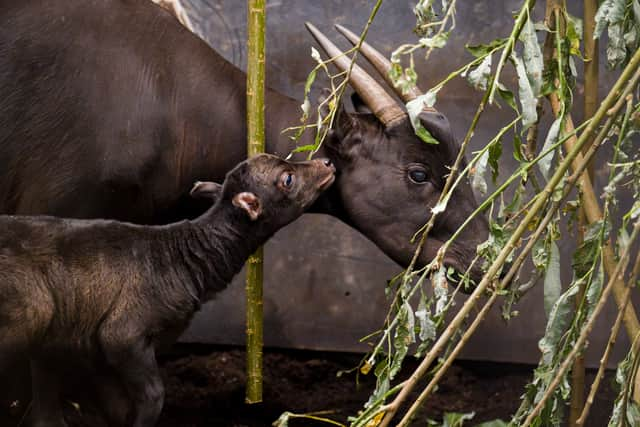
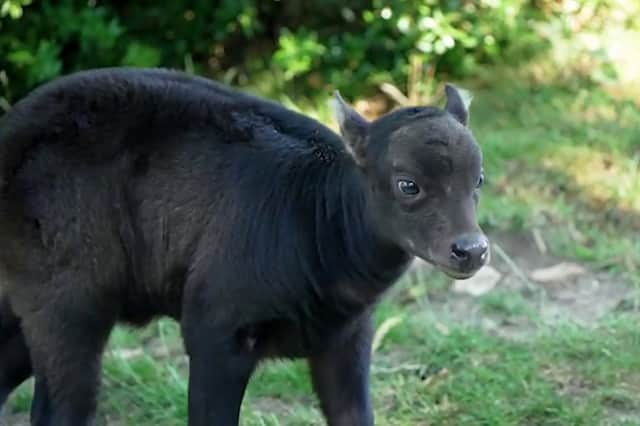
Emma Evison, Team Manager at Chester Zoo, said: “Mum Darcy and her new baby are doing brilliantly. After spending her first couple of weeks bonding with mum in the safety of their cosy den, the little one has grown in strength and confidence and is now beginning to explore the outside world.
“She’s already showing plenty of personality and seeing her take those first steps outside is a real privilege - it’s something very few people will ever get the chance to witness.”
The zoo is part of a wider global partnership seeking to safeguard the future of the species.
Amy Humphreys, a South East Asia field conservationist, added that international efforts include scientific monitoring, education programmes and coordinated breeding schemes, noting: “This new calf, born as part of that international effort, will now go on to play an important role in protecting the future of her species.”