
Lancashire Post 140: The editors who shaped Preston's newspaper
The Lancashire Post is marking 140 years of publication with a tribute to the editors who have shaped the newspaper's history, from Henry Rose to Mike Hill, each leaving their own unique mark on the publication.
While there is no doubting the Toulmin family's contribution to the longevity of the Lancashire Post, which is celebrating 140 years of publication since its launch on Monday, October 18, 1886, the contribution made by its editors has also been priceless. Writes Keith Johnson.
The proprietors of other local newspapers had often edited their own publications, including Joseph Livesey at the Preston Guardian, Isaac Wilcockson in the early days of the Preston Chronicle and, later, Anthony Hewitson at the same publication.
On the other hand, the appointment of an editor of the Lancashire Post was, from its earliest days, made directly by the Toulmins. The first appointment made by George Toulmin shortly after the launch of the LEP was Henry Rose, who had most recently been editor of the Eastern Morning News, based in Hull.
Born in South Shields in 1854, he worked in a solicitor's office after leaving school while studying science and literature at evening classes. His journalistic journey had begun in 1876 at the Scarborough Evening Post.
Since his scholarly days, he had been an organiser of debating societies and, while in Preston, he often travelled further afield to deliver lectures encouraging debate on political and social matters. After upwards of four years as editor, he was off to Belfast in January 1891 to become editor of the Northern Whig.
In the years that followed, the responsibility for selecting editors remained with the Toulmin family and, by 1894, Oxford-educated Arthur William Marchmont was editor of both the LEP and Preston Guardian.
In his mid-30s, he chose to leave journalism to become a well-respected writer of fiction, with more than 35 novels to his credit. Several of his novels were serialised in both Toulmin publications in the years ahead.
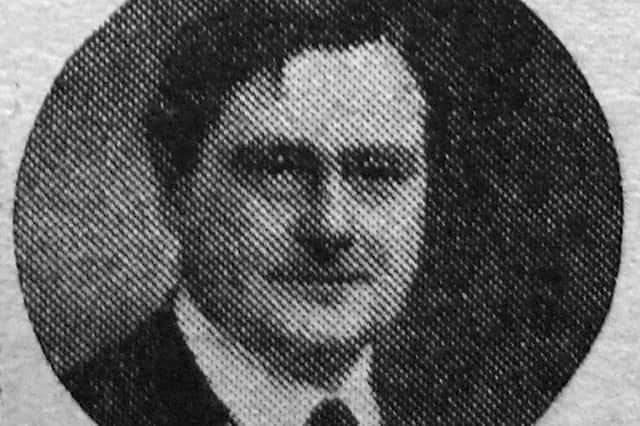

He was followed in 1897 by Oxford-educated John Benjamin Frith, aged 29, who, during his short tenure, married Helena Gertrude Lynam in Nottingham. In the years ahead, based in London, his literary career flourished as a journalist and author.
Following Frith, the chosen one was Dorset-born Thomas Cox Meech, also aged 29, who took up the role in December 1897, having previously been editor of the Sheffield Independent.
Although settled in his role at Preston, he couldn't resist the call a year later to become editor of the Northern Echo. A qualified lawyer by profession, he was also a distinguished author, with novels and biographies aplenty. Like Marchmont, he would have his novels serialised in the Toulmin publications.
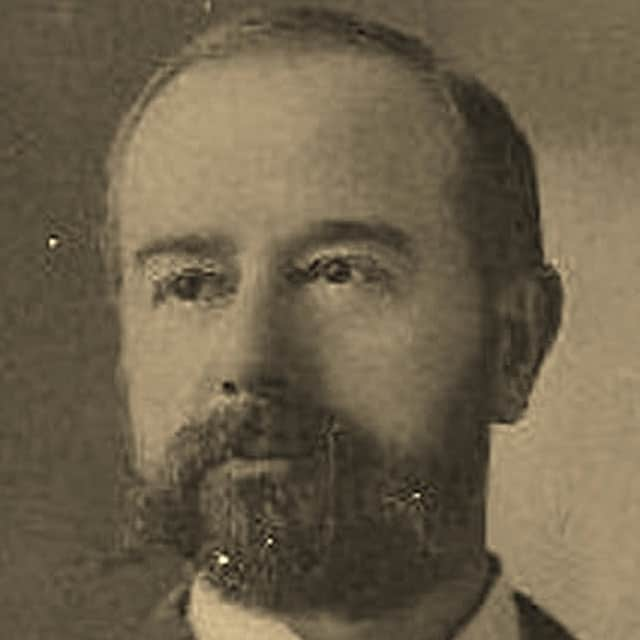
In March 1899, it was announced that Mr A. Brodie Fraser, editor of the Aberdeen Evening Express for the previous three years, had been appointed LEP editor from a long list of candidates.
Aged 27, he was seen as a brilliantly gifted writer, and his salary at Preston was reputed to be £300 per annum – estimated at £35,000 in today's money – so not such a lucrative position.
He occupied the editor's chair until July 1900 and was followed by journalist W.C.B. Cowan, who had previously worked for the Newcastle Chronicle.
He enjoyed a relatively lengthy spell as editor before stepping down in 1904 to allow Arthur Francis, who had begun life at the LEP as a junior reporter in 1889, to take over both publications.
Francis went on to serve for almost a decade before his sudden death in January 1913, following a short illness, aged 43. A Liberal in his politics, he was a Methodist by belief and attended the Orchard Chapel.
Yorkshire-born barrister Ernest Russell Gurney, aged 35, then had over a year as editor before leaving to continue his distinguished career as a lawyer. After a lengthy period in the courts, he was appointed Recorder of Pontefract by HM King George V in February 1934.
Longridge-born James Edward Archibald, who was educated at the old Alston College, Grimsargh, was a former junior reporter who returned after a long stint at the Belfast News to take up the role of LDP editor in August 1914, aged 46.
After guiding the paper through the First World War and serving for almost a decade, he left to become editor of the Reading Standard in 1923.
He was followed by Benjamin Bowker, who had served in the Royal Navy during the war and had learnt his journalistic skills on the Yorkshire Post. He was well known for his leading articles and had a great knowledge of the cotton trade.
He was LEP editor from October 1923 until October 1932, when he left to become managing editor of the Yorkshire Evening News, a position he held until 1938.
Following his death in May 1940, among the Letters to the Editor published days later was one urging readers to obtain a copy of his book, Lancashire Under the Hammer, described as a not-to-be-missed account of the cotton trade.
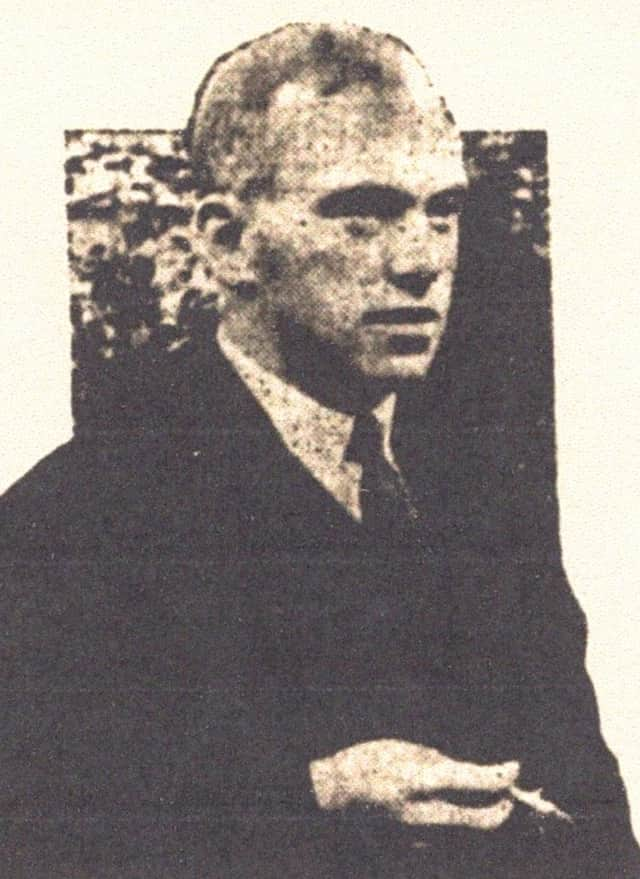
Arnold Horner, who had been chief sub-editor to Mr Bowker, followed him into the role of editor. His journalistic career had begun sweeping the floor at the Yorkshire Evening News, where he spent 26 years climbing the editorial ladder.
He was heavily involved with local charities and the social and commercial activities of the town. He carefully steered the LEP through the Great Depression and the Second World War before passing on the baton upon his retirement in September 1949.
It seemed fitting that journalist Charles Wilford, having joined the LDP in 1932 and worked his way through the ranks, should become the next incumbent.
He had spent his early years as a junior reporter on the Kent Messenger and Bristol Evening Post before arriving in Preston, along with his future wife, who was also employed by the Post.
Very much involved in the development of the newspaper, he went on to spend 20 years in the role before retiring in 1969, aged 65. The longest-serving LEP editor, he went on to have the longest of retirements, dying in 1999, aged 95.
He was followed by investigative journalist Barry Askew, who became editor in 1969 and was involved in several campaigns investigating abuse and corruption during his tenure.
He left to become editor of the News of the World in 1981, which proved to be a brief and controversial reign, ending a few months later. He was replaced by Chris Oakley, who, after a couple of years, was off to the Liverpool Echo as editor.
Steve Kendall, a former editor of the Doncaster Evening News, became editor in 1983 and, after more than a decade, moved into a managing director role, with Philip Welsh becoming editor in 1994.
Within a couple of years, he was replaced by Neil Robert Hodgkinson, who took up the role in December 1996 for a three-year stint before heading to the Yorkshire Evening Post.
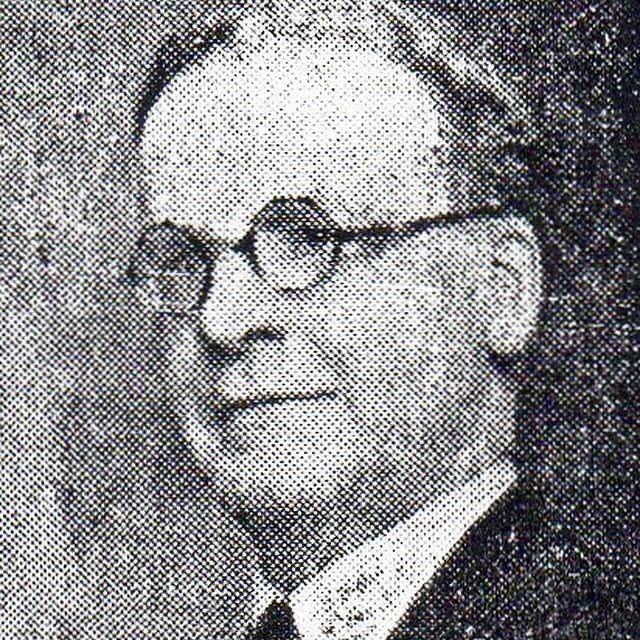
Roger Borrell came from the Newcastle Evening Chronicle in March 1999 and, after a short tenure, was replaced by Simon Reynolds in June 2001.
His term as editor was a lengthy one, lasting until April 2012, when Johnston Press restructured its management teams. He was followed by Gillian Parkinson, who was editor of the LEP from June 2012 for almost a decade until she stepped down in March 2022.
Both Nicola Adam and Vanessa Sims took up the editorial baton in various roles following Gillian Parkinson's departure.
Nicola Adam is nowadays editor-in-chief (North West) for Iconic Media, which encompasses the Lancashire Post and 12 other titles, while Vanessa Sims is editor of the Blackpool Gazette and various other local titles.
Get access to trustworthy local news for a £2 when you sign up for a digital subscription to the Lancashire Post. Support our journalism and get unlimited access to our website. Find out more and sign up today.
The role of editor of the print editions of the Lancashire Post and Blackpool Gazette is nowadays held by long-serving Mike Hill, a former Liverpool Echo news reporter, who took on a senior editorial role back in 2012.
He has steered the Lancashire Post through the digital age, keeping a print edition on the streets, just as the Toulmins did 140 years ago.
Among his many contributions to the Lancashire Post is his weekly View From The Hill, which gives us an often light-hearted look at everyday life.