
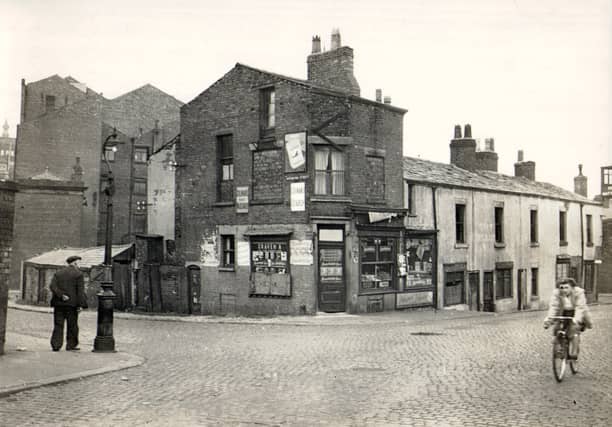


Life in the town was gradually returning to normal, with the people of Preston working hard to rebuild after the challenges of the war years. The town's industrial heritage continued to play a central role in its identity, with the cotton and textile industries employing a large number of local residents.
Factories and mills were still a dominant presence, although changes were on the horizon as the post-war economy began to evolve.
Culturally, Preston’s local traditions and events helped bring the community together. Local sporting clubs, particularly Preston North End, were a source of pride, with football remaining a popular pastime. People gathered at Deepdale to watch matches, providing a sense of unity and escape from the difficulties of post-war Britain.
Shops, markets, and cinemas were bustling once again as families sought entertainment and daily provisions. The resilience and strong community spirit of Preston's people were evident as they adapted to the changing landscape of post-war life.
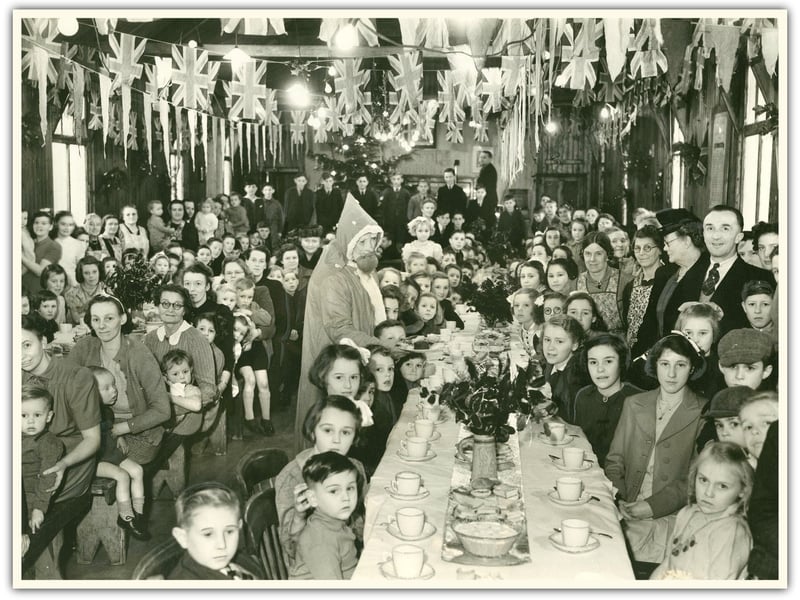
Take a step back in time and explore this retro collection of archive images, offering a glimpse into Preston’s life, culture, sport, and industry during 1946.
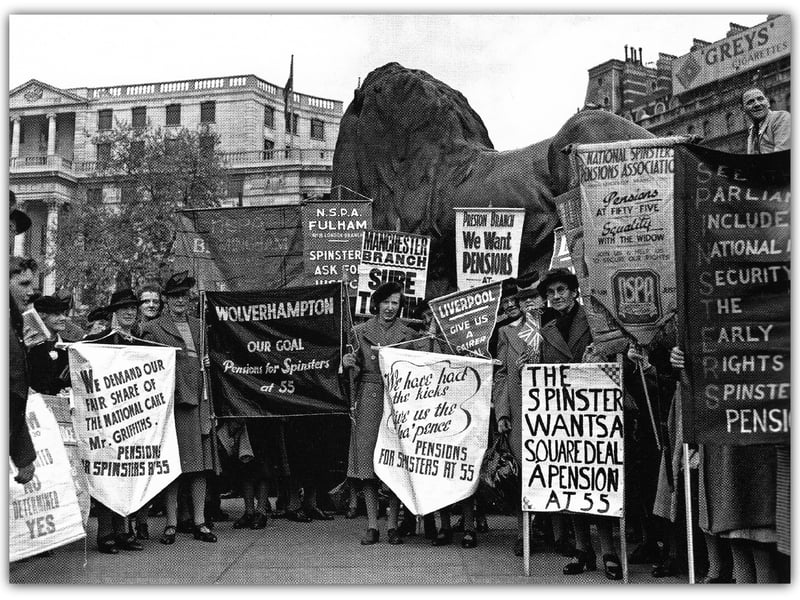
27. Preston Branch of the National Spinsters Pensions Association c.1946 Local branch members protest in London for the pension at age 55 campaign. Image courtesy of Heather Crook.
National World
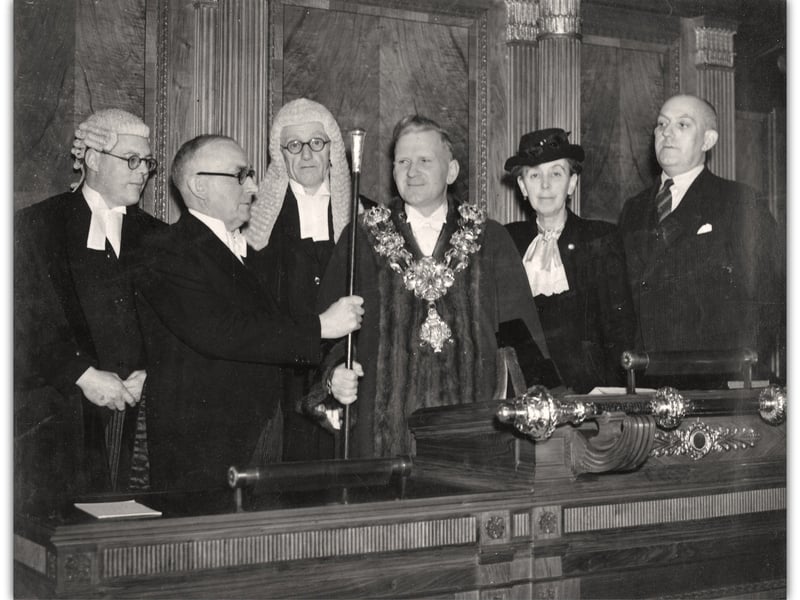
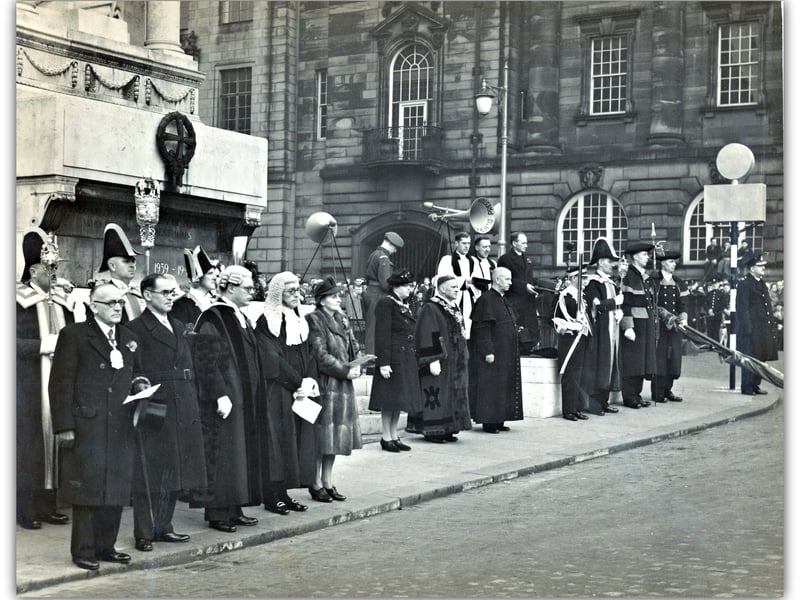
28. Councillor William Beckett. Commemorative Photograph Album, Preston. 1946-47 Election of New Mayor 9th November, 1946. Outgoing Mayor Herbert Edmund Rhodes hands the staff of office to Mayor Beckett. Also present are past mayor Alderman Margaret Pimblett and at far left, the Town Clerk, W.E.E. Lockley. Councillor William Beckett served as Mayor of Preston 1946-1947. Image kindly provided by Michael Ball and comes courtesy of Paul Swarbrick at the Preston Historical Society. www.prestonhistoricalsociety.org.uk/
National World