
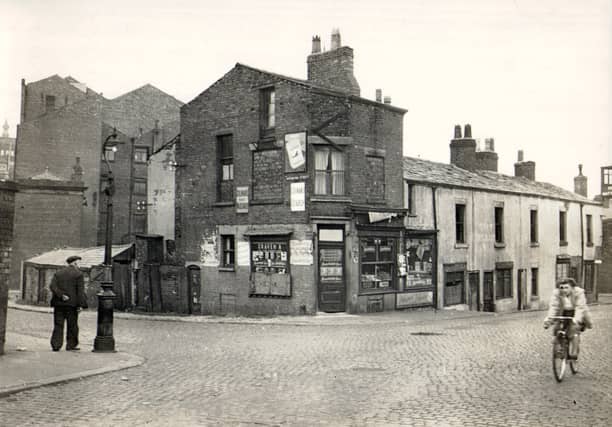


Life in the town was gradually returning to normal, with the people of Preston working hard to rebuild after the challenges of the war years. The town's industrial heritage continued to play a central role in its identity, with the cotton and textile industries employing a large number of local residents.
Factories and mills were still a dominant presence, although changes were on the horizon as the post-war economy began to evolve.
Culturally, Preston’s local traditions and events helped bring the community together. Local sporting clubs, particularly Preston North End, were a source of pride, with football remaining a popular pastime. People gathered at Deepdale to watch matches, providing a sense of unity and escape from the difficulties of post-war Britain.
Shops, markets, and cinemas were bustling once again as families sought entertainment and daily provisions. The resilience and strong community spirit of Preston's people were evident as they adapted to the changing landscape of post-war life.
Take a step back in time and explore this retro collection of archive images, offering a glimpse into Preston’s life, culture, sport, and industry during 1946.
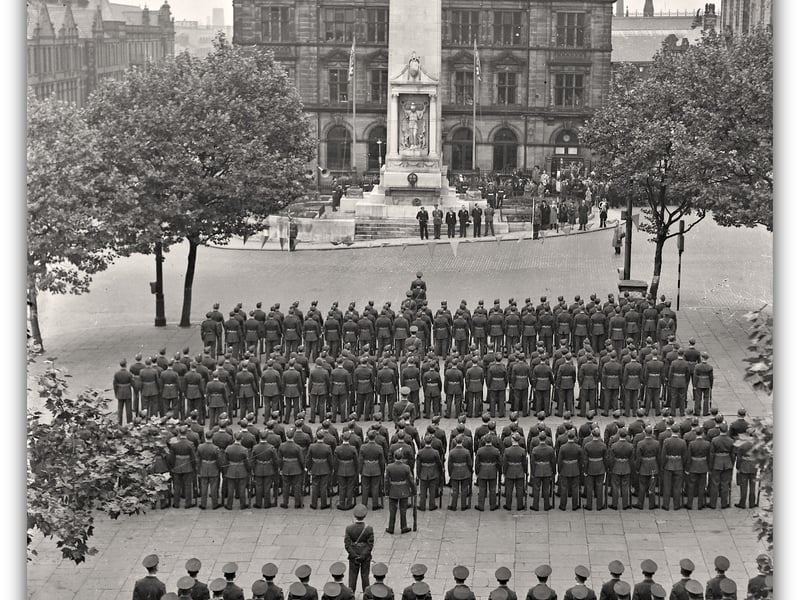
37. Preston Victory Celebrations. Joint Services Parade at the Market Place, 1946.
National World
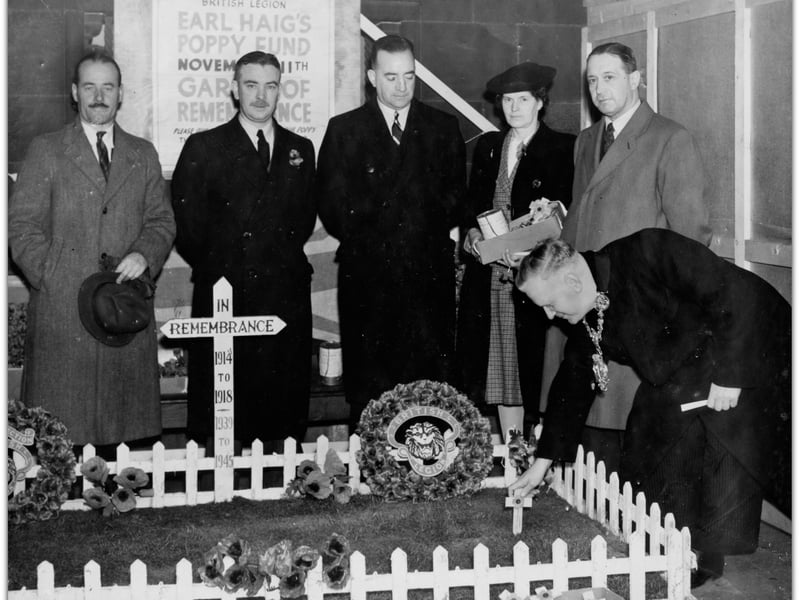
38. Mayor of Preston Coun William Beckett at Preston's Garden of Remembrance. November 3, 1946.
National World
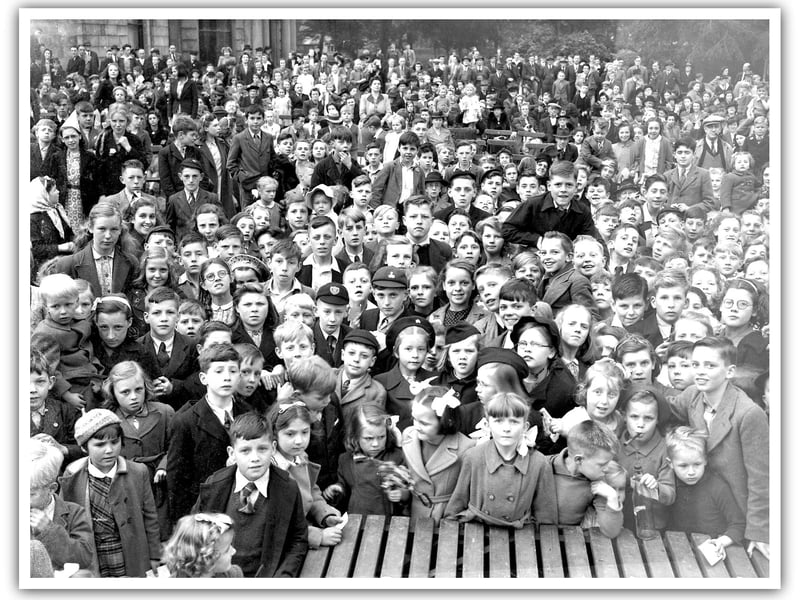
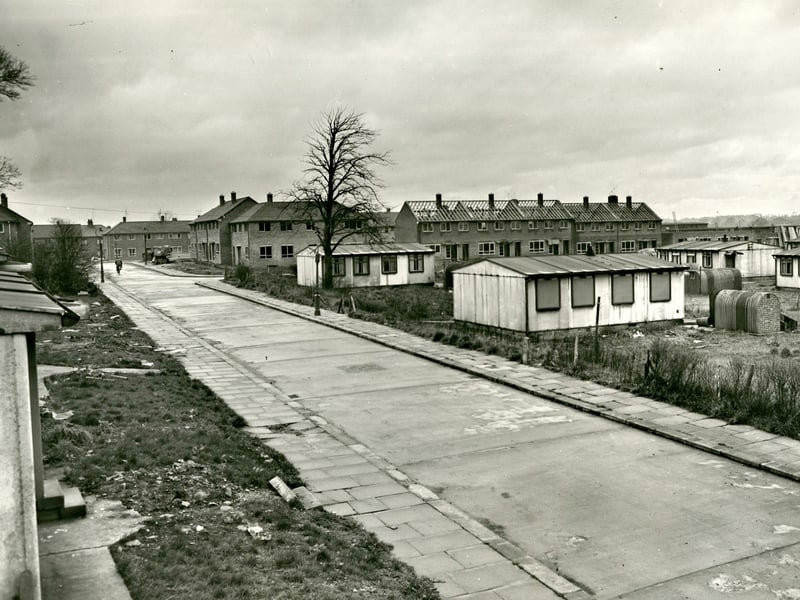
40. This pre-fabricated housing was located on the corner of Yewtree Avenue and Alder Road, Preston, in 1946. The Anderson Shelters can also be spotted. Picture courtesy of the Lancashire Post archives. Image courtesy and copyright of The Lancashire Evening Post
National World