
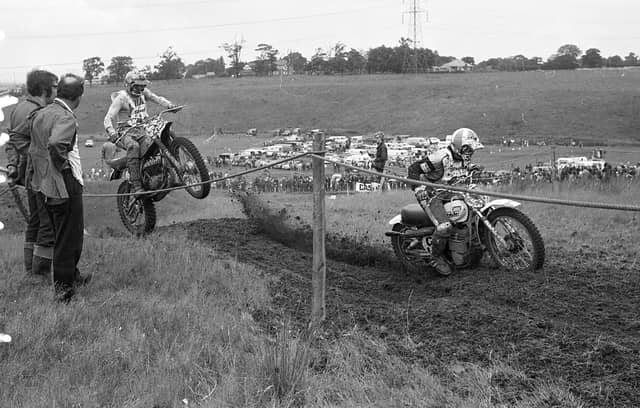


In the 1970s, the town retained much of its traditional charm, with close-knit communities centred around local mills and factories. The bustling high street featured family-owned shops, and local football and cricket clubs were at the heart of the social scene.
The construction of new housing estates began to change the landscape, providing homes for families moving into the area. The 1980s brought further development, with modern amenities and retail outlets starting to appear, gradually replacing some of the older, more traditional businesses.
Employment began shifting away from manufacturing to service industries, and the town’s growing population saw improvements in infrastructure, including better roads and public transport links.
By the 1990s, Bamber Bridge had transformed into a thriving suburban area with a mix of old and new. The town benefited from new leisure facilities, schools, and community projects, while still maintaining its local identity. The sense of community remained strong as generations grew up in an evolving yet familiar town.
Now, take a look back at some nostalgic images from Bamber Bridge during these transformative decades.
Still fancy a bit more reminiscing? Be sure not to miss some of our other popular nostalgia-tinged pieces...
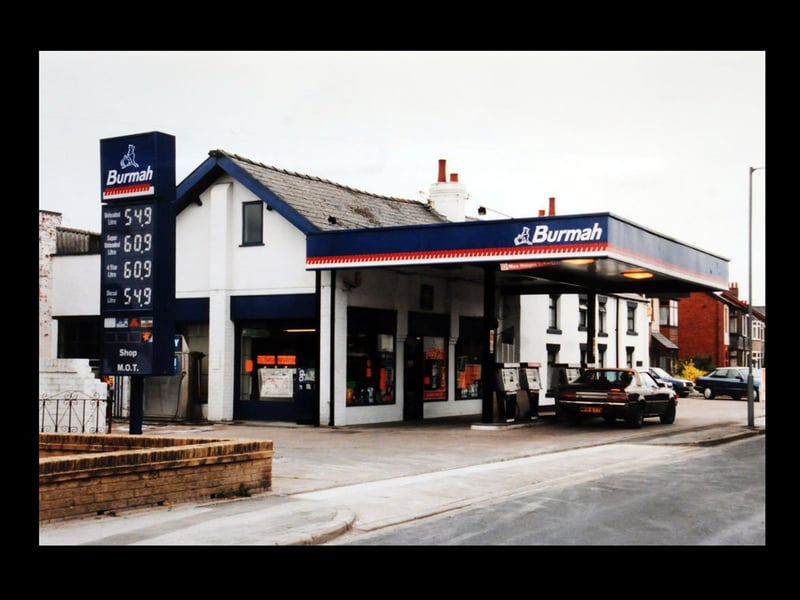
21. RETRO: Old Preston garages, dealerships and filling staions from the 80s and 90s Burmah, Brindle Road, Bamber Bridge
National World
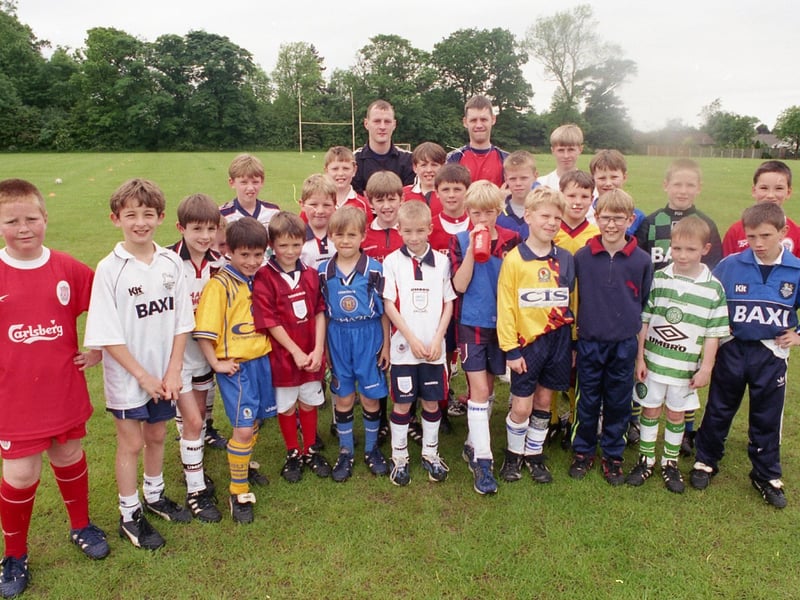
22. A major junior soccer tournament took place in South Ribble following last year's mini world cup in the borough. Bamber Bridge Leisure Centre, near Preston was the venue for the six-a-side junior football competition for players in categories under 11s and under 13s
National World
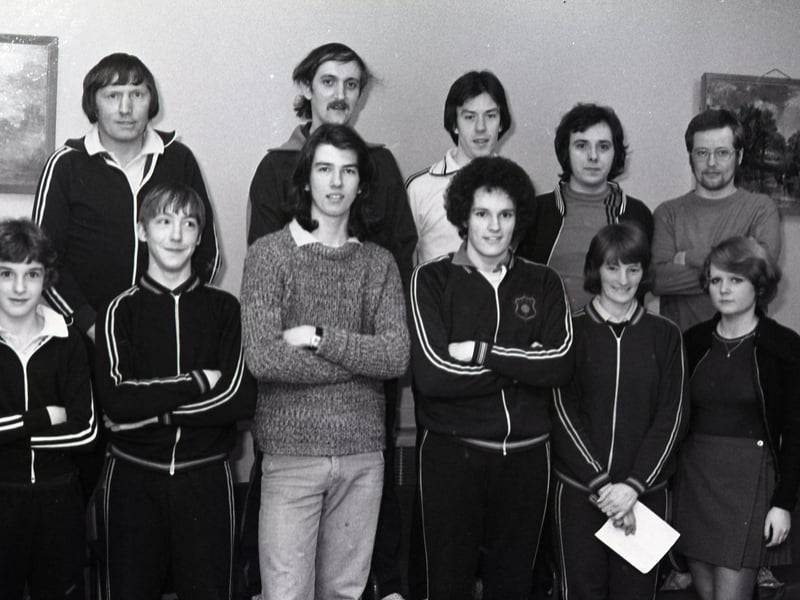
23. Some of the players in the Preston Table Tennis Association's finals night. Left to right, front: Paul Rainford, Steven Turner, Jon Hardiker, Ian Smith, Marita Morris, Linda Crook. Back: Les Dagger, Geoff Moss, Alan Whittle, Dave Evans, Tony Rigby
National World