
Forgotten munitions workers recognised in Canary Girls memorial unveiling
A new memorial board will be unveiled in Buckshaw Village to honour the “Canary Girls” — the thousands of women who worked in Britain’s wartime munitions factories, risking their lives in dangerous conditions to keep the front line supplied.
The story of the “Canary Girls” — thousands of women who powered Britain’s munitions factories during the First and Second World Wars — is being brought back into focus in Lancashire.
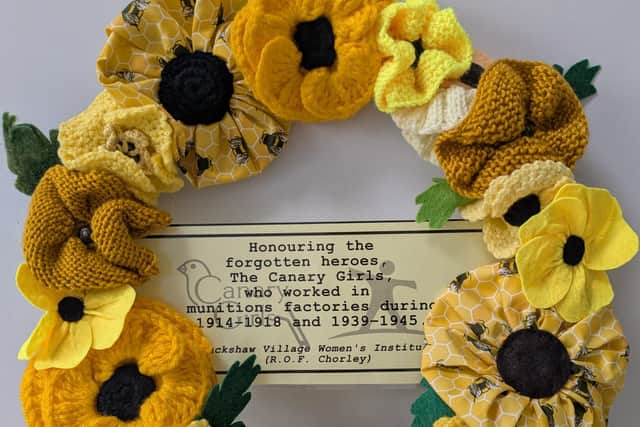

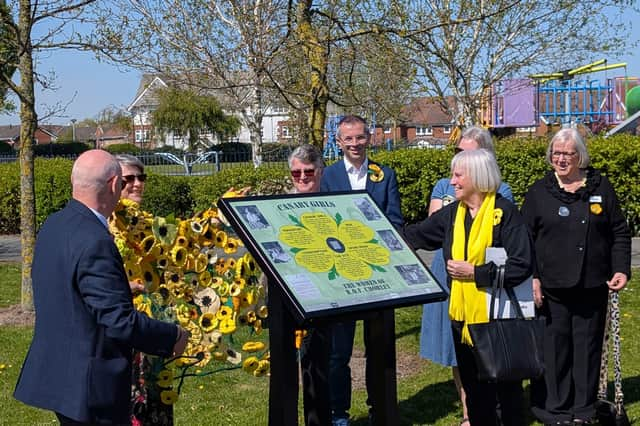
At sites like the former Royal Ordnance Factory (ROF Chorley), now Buckshaw Village, women and girls worked around the clock filling shells with explosives that would be used on the front line. Their work was vital to sustaining Britain’s war effort, particularly during the industrial mobilisation of the First World War, when labour shortages saw women enter heavy industry in unprecedented numbers.
Their sacrifice was no less than many other wartime workers, yet recognition is still lacking. It is time we ensure their names are properly remembered.
Now, Buckshaw Village Women’s Institute (WI) is marking that legacy with the unveiling of a new memorial board on Thursday, April 23. The ceremony, led by Councillor Eric Jones, is part of a wider plan to install a permanent tribute at the entrance to the village — recognising the site’s wartime past.
Despite the scale of their contribution, the WI says the women remain under-recognised nationally, with no permanent memorial currently in place at the National Memorial Arboretum.
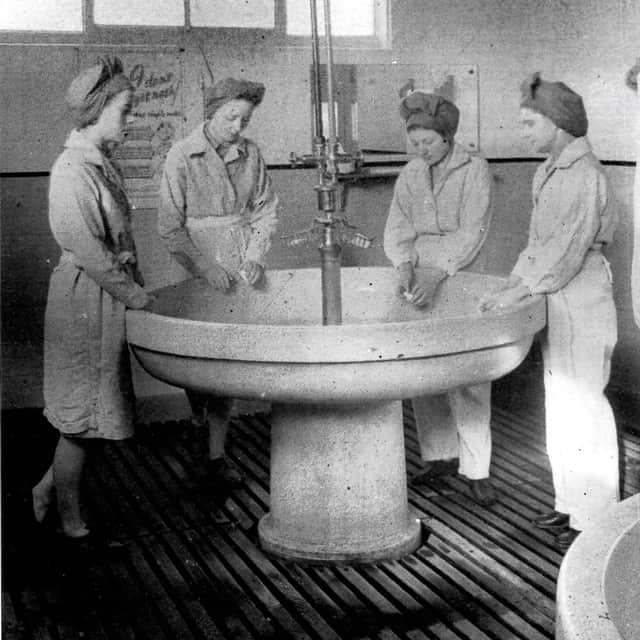
The nickname “Canary Girls” came from the hazardous conditions inside the factories. Exposure to Trinitrotoluene (TNT) caused workers’ skin and hair to turn a yellowish colour, sometimes even affecting unborn children — who became known as “Canary Babies”.
But the staining was only one part of the danger. Workers endured long 12-hour shifts in “appalling and unsanitary” environments, facing risks including toxic jaundice, respiratory failure and the constant threat of explosions. Accidents were not uncommon in munitions plants across the country, underscoring the peril of the work.
Many of the women were teenagers, some as young as 14, who stepped into industrial roles at a time when Britain urgently needed labour. Their efforts not only supported the war but also helped shift attitudes toward women’s work and independence in the years that followed.
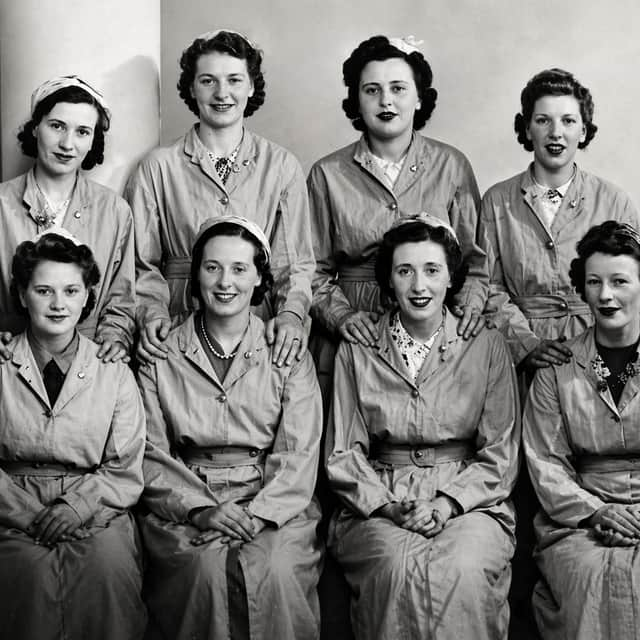
Buckshaw Village WI says the memorial board is a first step in ensuring the Canary Girls are properly remembered, both locally and nationally.
Lindsey Barrow, vice president of the group, said their contribution had not been fully acknowledged.
“They were instrumental in our nation’s history, not only for their war effort but for the social changes they helped bring about,” she said. “Their sacrifice was no less than many other wartime workers, yet recognition is still lacking. It is time we ensure their names are properly remembered.”
The group is also campaigning for a national tribute to be established, arguing that the absence of a dedicated memorial leaves an important gap in how Britain remembers the home front.
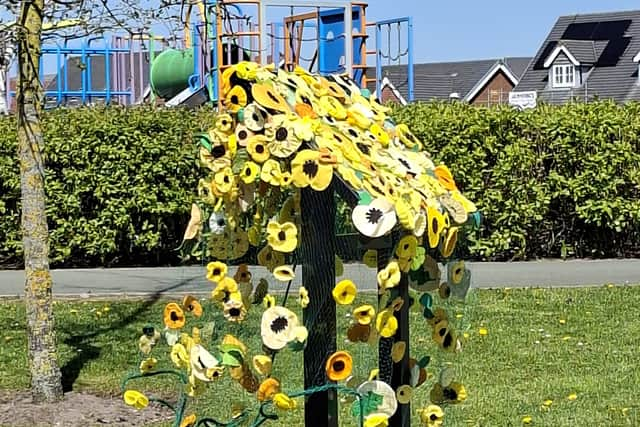
Residents and members of the public are being invited to attend the unveiling and learn more about the history of the Canary Girls, many of whom lived and worked in the area.
The WI hopes the project will preserve their legacy locally while contributing to wider efforts to secure national recognition for their role in wartime Britain.