
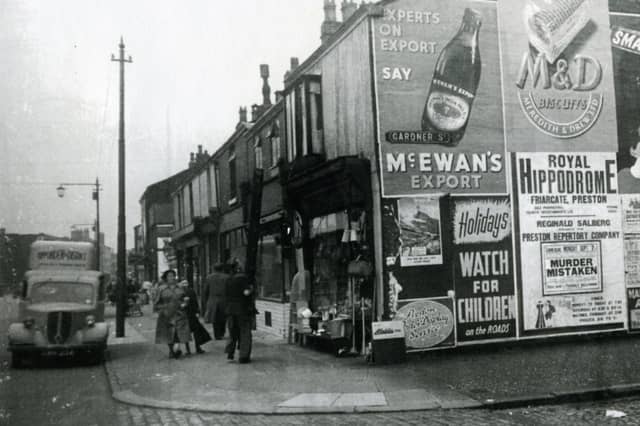


To be given a glimpse of how your home city used to look almost 75 years ago is a pretty rare thing. So, with that in mind, take a look through some of our best archive retro pics of Preston all the way back in 1950 for a taste of what the place used to look like.
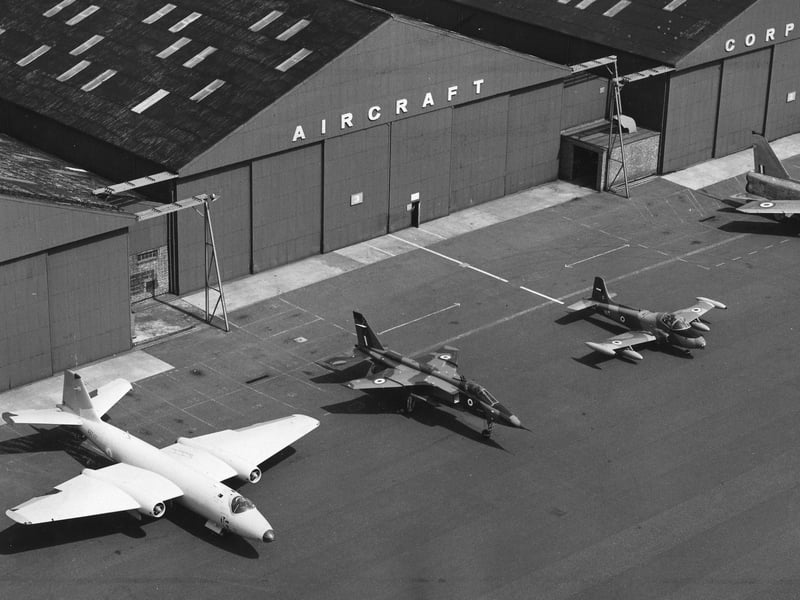
21. An unusual picture from the tarmac of British Aircraft Corporation (later BAe_, Warton, shows a line-up of four jets currently winning export orders worth millions of pounds, 26.6.70 From left: the world famous Canberra comber, Jaguar fighter bomber, Strike master trainer and the 1,500mph Lightning fighter.BAC's Preston division earned exports worth nearly £200m since 1950
National World
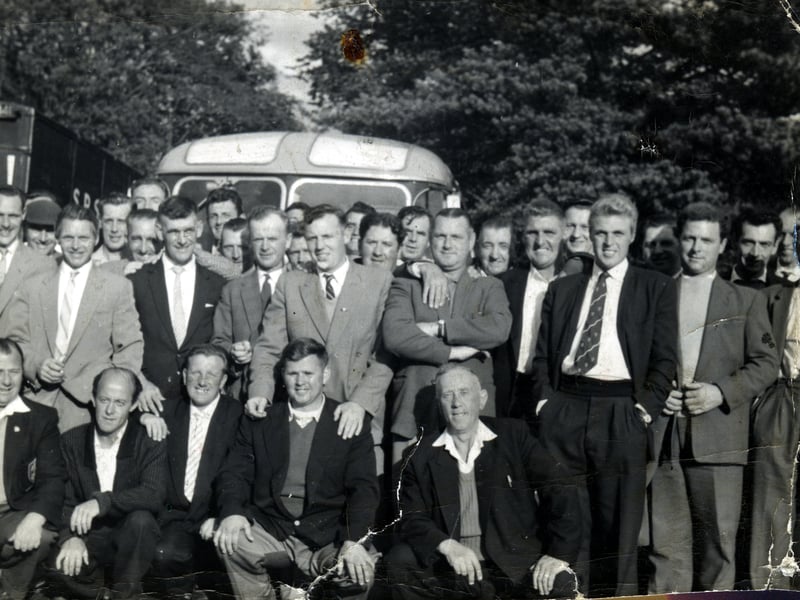
22. Preston Dockers fishing trip, late 1950's. Front row from left, Charlie Eastern, Harold King, Joe Fisher, Vernon Charnley, Tommy Newman. Sent in by Victor Bennett of Blackpool Road, Preston
National World
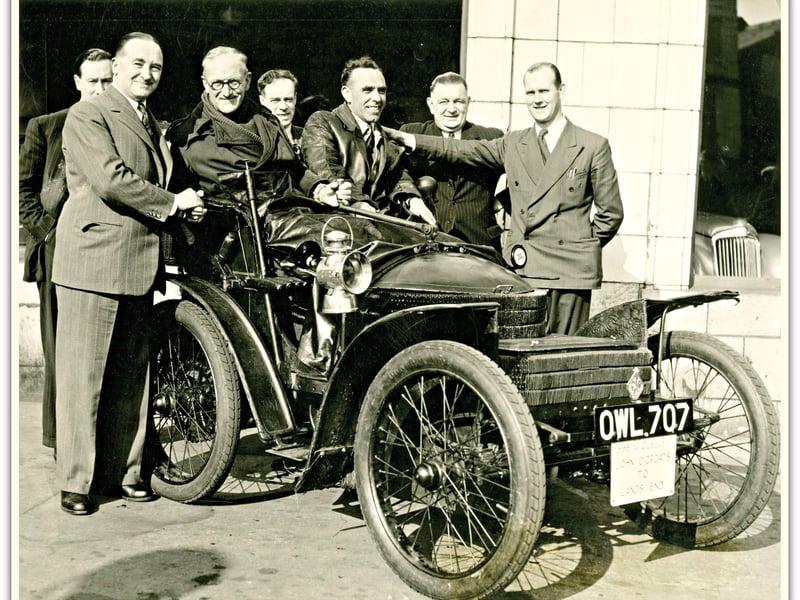
23. Loxhams Garage, Preston. May 27, 1950. This 51 year old Wolseley car, a single-cylinder 3 1/2-h.p. is being driven from John O' Groats to Lands End by Mr. St. John C. Nixon of Surrey. The car took part in the 1,000 mile trial in 1900 when Mr. Nixon was one of the competitors. Mr. J.A. Wood, Managing Director of Loxham's Morriservices is seen greeting the car and driver. One year earlier, St.John C. Nixon wrote the book Wolseley, A Saga of the Motor Industry
National World
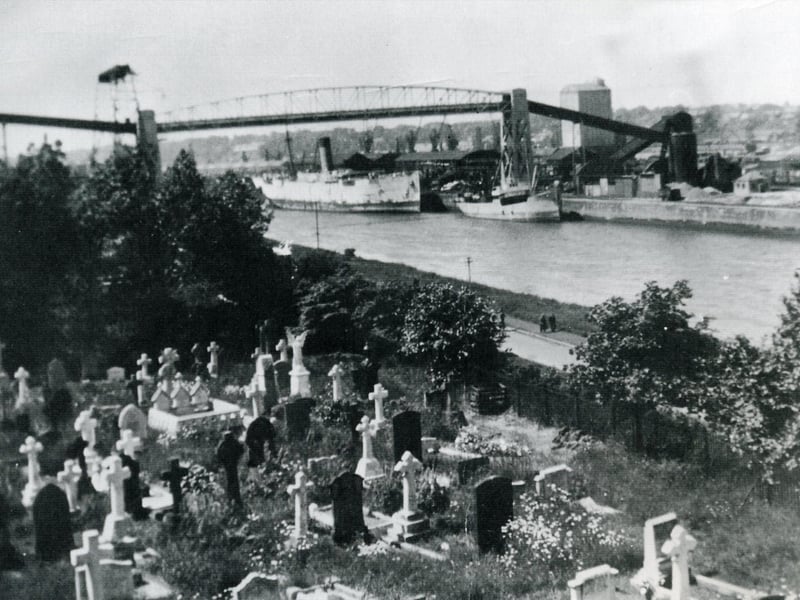
24. Looking across the River Ribble from Penwortham towards the coal conveyor at Preston Dock. The larger single funnel vessel, believed to be the MV Chirripo, is berthed on TW Wards gridiron waiting breaking up The vessel on Ward's gridiron is either "Chirripo" scrapped at Preston in 1952 or "Tilapa" scrapped in 1959. From the caption date, I suspect it is the former. Both were built for Elders and Fyffes as "banana boats", "Chirripo" was launched at the yard of Workman Clark, Belfast in 1919 and "Tilapa" by Cammell Laird, Birkenhead in 1927, both of very similar design and dimensions. "Tilapa" is the more famous of the two. Her launching in 1927 was recorded as a Gaumont Newsreel but more importantly she was the first vessel to bring bananas to the UK after World War II. Importation of bananas was banned by the Ministry of Food in 1940 and only lifted after cessation of hostilities. You can view a short British Pathe Newsreel recording the event although the ship is not named and hardly features. For years Fyffes was synonymous with bananas until Geest came on the scene in the 1950's, Preston being chosen as one of their ports, its rail connection being of fundamental importance.
National World
6 / 12