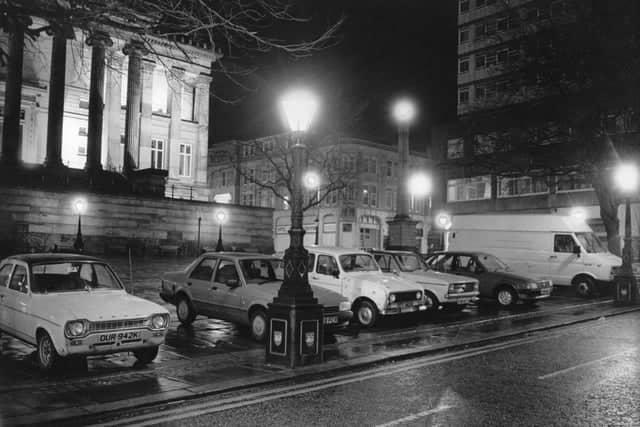


The Harris Museum, with its grand neoclassical architecture, stands as a centrepiece of the city, offering a treasure trove of art, history, and culture.
Just a stone’s throw away, the Flag Market has long been a lively gathering spot for locals, surrounded by a mix of historic buildings and modern shops that tell the story of Preston’s evolution over the years.
Fishergate, the city’s main shopping street, has always been the heart of Preston’s retail scene. In the past, it was home to a variety of independent shops and well-loved department stores, where residents would find everything from the latest fashion to everyday essentials.
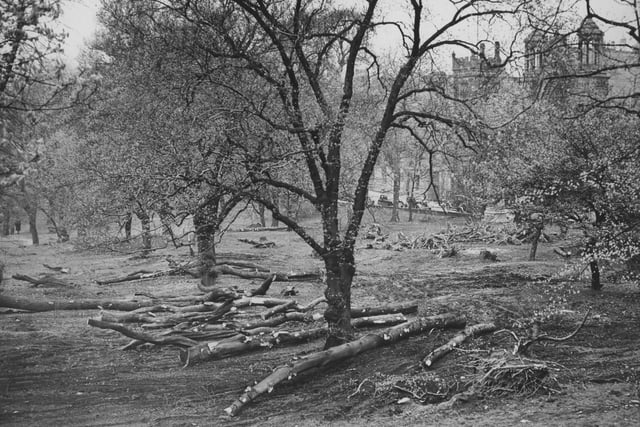
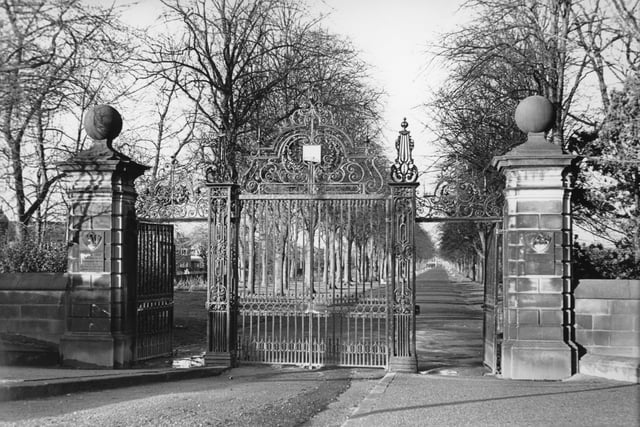
This collection of archive images captures the charm and character of Preston’s landmarks, shops, and parks, taking you on a journey through the city’s storied past.
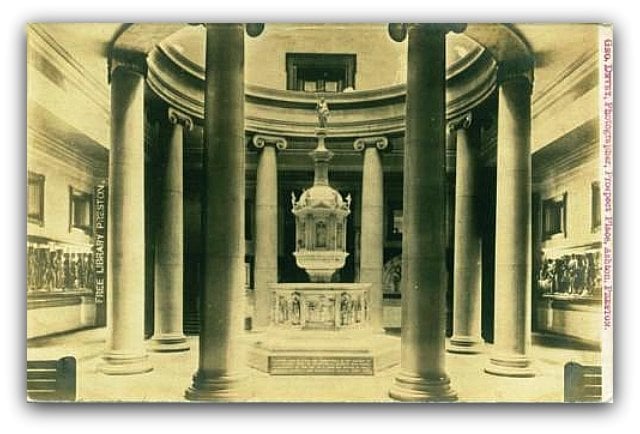
17. Free Library, Preston Sepia Postcard by George Devey, Photographer, Prospect Place, Ashton, Preston. Showing the replica font and tabernacle from the Church of San Giovanni in Siena (1430)
National World
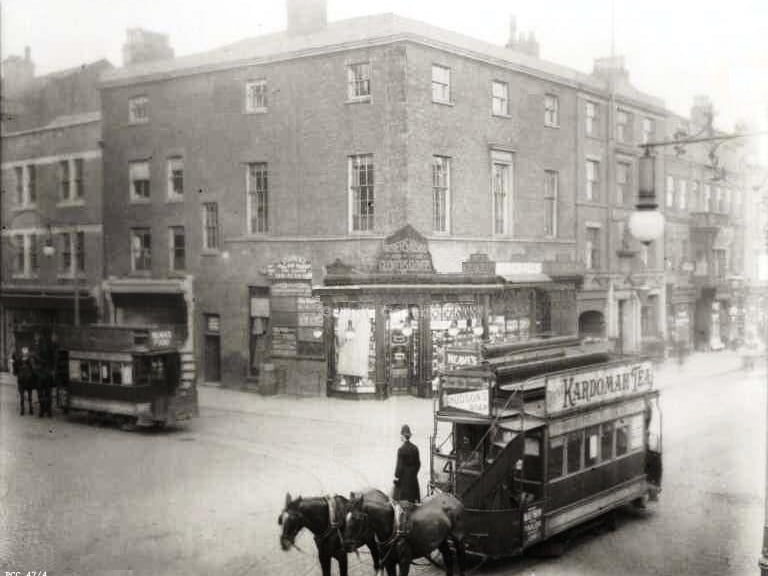
18. Church St. & Lancaster Rd. Preston 1896 Horse drawn trams at the corner of Lancaster Road and Church Street in 1896. Also seen is Starkies shop on the corner and the Red Lion Hotel a little further down on Church Street. Kardomah Tea must have been a popular drink of the day as it appears on many of the horse drawn trams of that era. The Kardomah Cafe would eventually occupy the old post office premises on Fishergate after the new facility opened at the Market square in 1903. Kardomah cafes were found in most major towns and cities and were the Starbucks of their day. The company lasted through to the late 1960's. Their coffee bean roasters used to vent directly into the street and it was hard to resist popping in for a cup freshly brewed coffee. The first electric tram did not appear on Preston's streets until 1904.
National World