
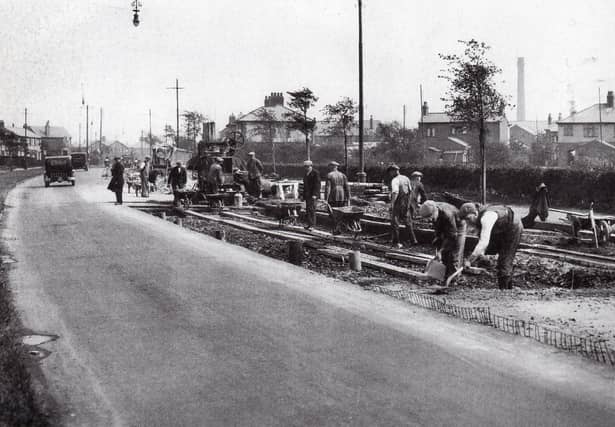


The town’s mills and factories were central to its economy, producing textiles that were exported globally. It was the time when the Great Depression impacted employment in manufacturing.
Preston’s community remained resilient, relying on its strop working-class identity and local markets.
Despite hardship, Preston maintained it spirit, blending industrial progress with a commitment to preserving its rich heritage.
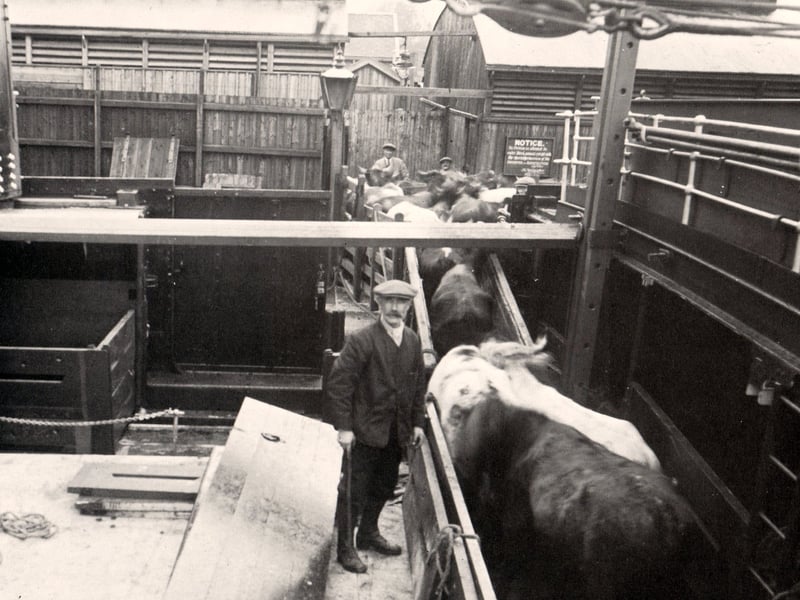
9. Preston, 1930
Discharging cattle into lairage. Lairage was provided between the main basin and the tidal basin adjacent to the locks | National World

10. Preston, 1930
East Lancashire Railway Bridge & Footpath, Preston. Viewed from a signal post looking north towards the station. The bridge was known locally as the 'Blue Bridge' In 1930 the three cast iron spans were removed and replaced with a steel girders | National World
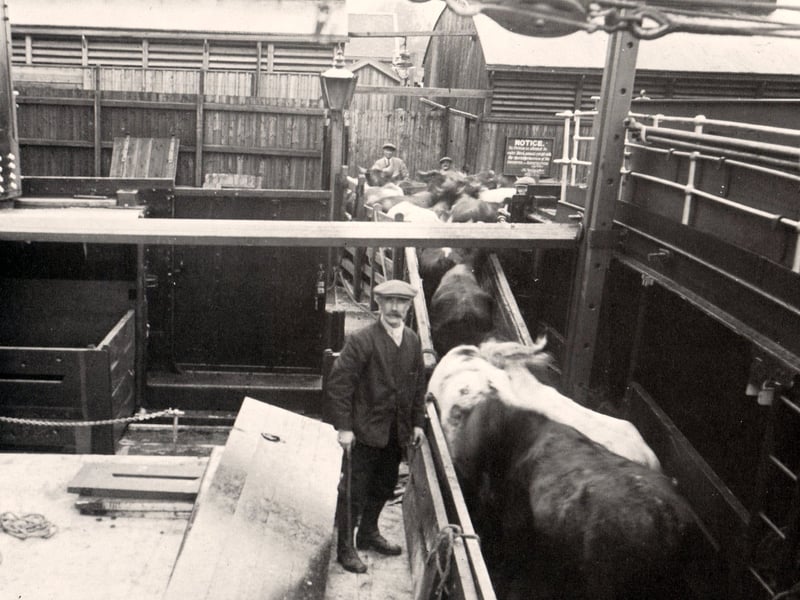
11. Preston, 1930
Discharging cattle into lairage. Lairage was provided between the main basin and the tidal basin adjacent to the locks | National World
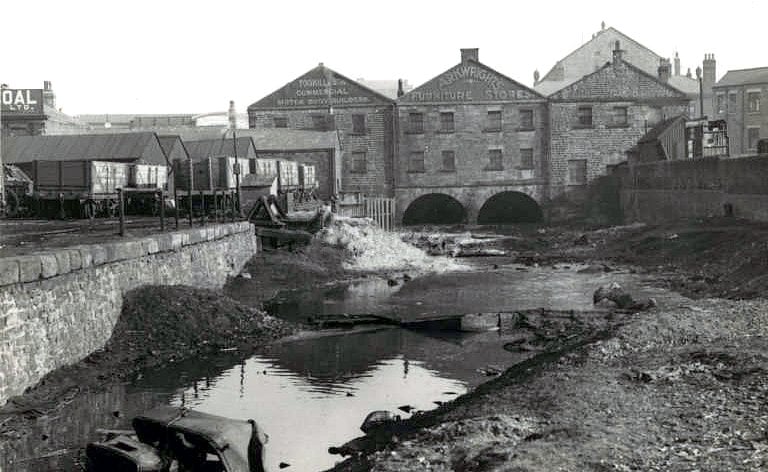
12. Preston, 1930
Lancaster Canal Basin Preston Looking east through the transhipment culverts towards Wharf St. Preston Public Hall is visible looming over the far right warehouse. These warehouses were demolished in the late 1930's. | National World