
1926 General Strike what happened in Preston 100 years ago
A hundred years after the 1926 General Strike paralysed the nation, its themes of pay, conditions and workers’ rights remain strikingly familiar in the wake of new employment legislation passed this month.
One hundred years ago, at the beginning of May 1926, the nation was in turmoil as a General Strike was called by the Trades Union Congress, writes Keith Johnson.
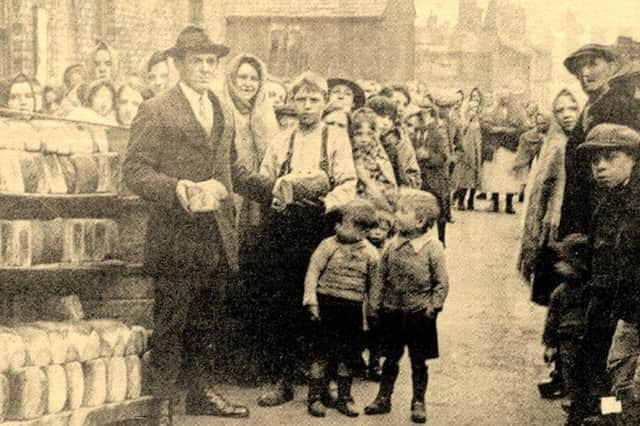

The Transport and General Workers’ Union, formed in 1922, brought together 14 separate unions and had a membership of more than 350,000, representing dock, factory, clerical and transport workers. They had sympathy for the miners, who were in conflict with the Government, and when talks broke down over wage reductions and pit closures, union leaders declared: “We must prepare for the struggle.” The strike began the following Saturday, the first day of May.
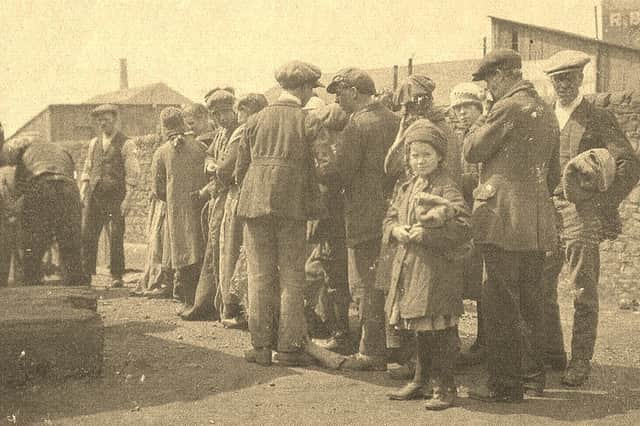
In Preston, local MP Tom Shaw, an influential member of the Labour Party, had spoken in the town about the need to back the miners in a struggle that was not just about money, but about the dangerous conditions in which they laboured for long hours. By the following Tuesday, transport workers, printing trade employees and iron and steel workers had all given their support to the miners.
It meant no trains or buses in Preston, large engineering firms shut, and not even a Lancashire Daily Post after the following Monday’s edition to report the strike’s progress. The only news available came from a typed daily bulletin sheet, produced at a cost of one penny and available from the LDP offices.
At Preston Railway Station things were deathly quiet, with only the odd goods or milk train passing through. Demonstrations were commonplace throughout Lancashire, with strikers determined that services would be interrupted, and in Preston a ‘Local Strike Committee’ was formed. An early target was the charabancs that attempted to fill the gap left by the withdrawal of regular bus and tram services.
Many discovered the joys of walking on a May morning, with the town’s footpaths crowded with pedestrians. Business people from Fulwood, Deepdale, Ashton and Ribbleton seemed to enjoy their jaunt to work in the early spring sunshine.
It meant no trains or buses in Preston, large engineering firms shut, and not even a Lancashire Daily Post after the following Monday’s edition to report progress. The only news available came from a typed daily bulletin sheet costing one penny.
Inevitably, Preston had its share of unrest. Ten days into the dispute, magistrates were dealing with several men accused of rioting. The targets were generally buses manned by non-union labour and volunteers. One disturbance took place in Ribbleton Lane and another outside the police station in Earl Street. A rioter who smashed a window of a Ribble bus outside the County Arms was jailed for a fortnight.
The main disturbance was outside the Earl Street entrance to the police station, where a crowd of several thousand gathered beneath the Covered Market, throwing stones and breaking windows. One labourer who incited the mob was given one month’s hard labour.
It was a similar story in Walton-le-Dale and at the bottom of Penwortham Hill, where crowds gathered to pelt Ribble buses — running a skeleton service — with volleys of stones. As a precaution, buses were fitted with wire mesh across their windscreens. Many special constables were sworn in to support the overstretched police force, helping to quell the disturbances. With the exception of fish, which was in short supply, food provisions generally held up, with flour stocks high and plenty of potatoes available.
Fortunately, the nation’s plight came to an end on the second Thursday of the month, with the Daily Mirror returning the following morning carrying the headline: “The Nation Wins – General Strike Called Off.”
The Lancashire Daily Post had been quicker off the mark, with presses rolling for a Thursday afternoon edition informing readers that things in Preston would soon return to normal. The headlines confirmed the end of the strike, although the miners were in no mood to settle their dispute.
Nationally, there had been little violence or bloodshed, but there was relief that a direct challenge to the Government had ended. The TUC believed a Royal Commission would resolve the miners’ problems, but in reality it would be November before they returned to work, having gained little from their prolonged action.
Locally, the end of the General Strike had little impact on mining communities around Wigan, where colliery workers remained steadfast in continuing their strike. Coal shortages therefore persisted, forcing mills and factories in Lancashire to halt production at times. The scale of hardship was reflected in more than 15,000 meals being provided for schoolchildren by the Wigan Union in the days that followed.
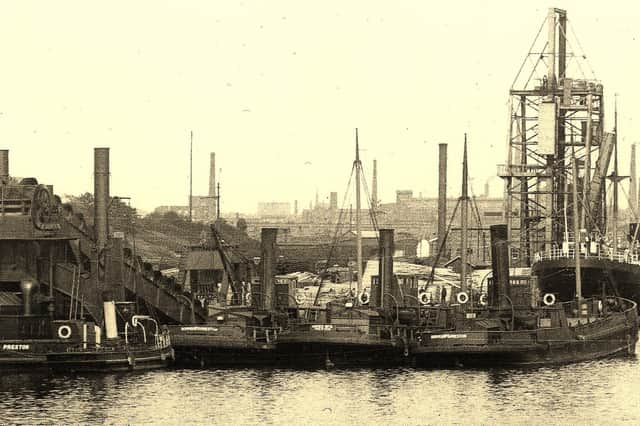
At Preston Docks, the Post reported that dock workers had been reinstated on their old terms, although numbers remained below normal, with 350 still idle due to a shortage of railway wagons. As a result, the flow of coal, coke, timber and oil was restricted.
With only 37 trains running in and out of Preston on the Thursday, it took several more days for railway services to return to normal. Within a short time, local engineers were back at work, with Dick Kerr’s, Dryden’s and Joseph Foster’s all reporting production returning to full swing.
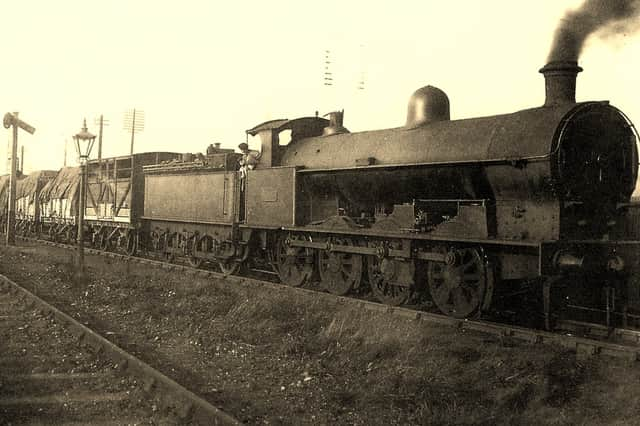
Fears that Preston’s tram and bus networks would lose commuters — who had grown used to walking — proved unfounded when the first rainy day saw passenger numbers return to normal.
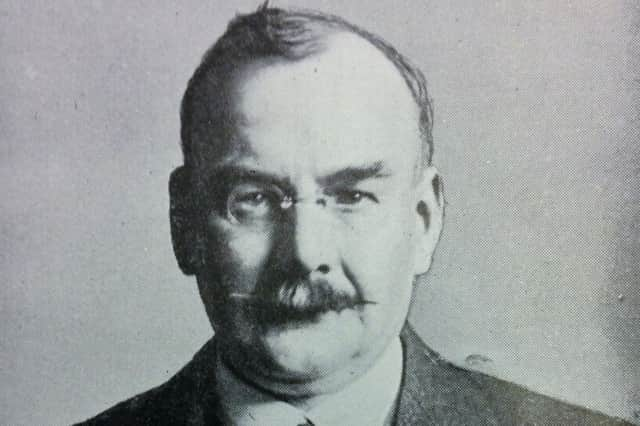
Tom Shaw, who had been at the forefront of strike activity, served as MP for Preston from 1918 and was elected five times before losing his seat in 1931. A strong trade unionist, he later served as Minister of Labour and Secretary of State for War during periods of Labour government.
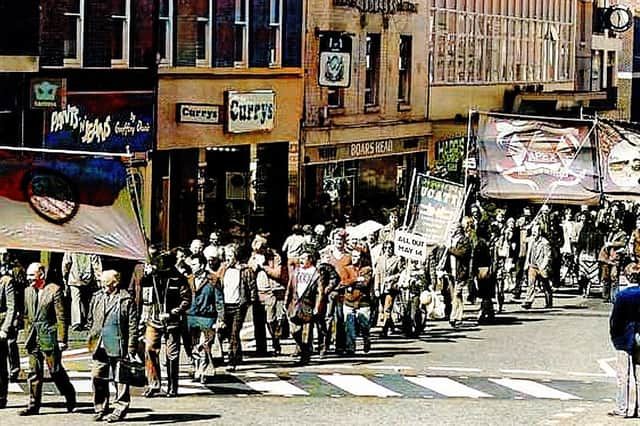
Nowadays, there is no need to spend May Day on strike. The first Monday in May has been a Bank Holiday since its introduction in 1978 by Michael Foot. It soon became a day often used by trade unionists for rallies and protest marches. Within a couple of years of its introduction, union members gathered in Preston in 1980, marching up Friargate to the Market Place with banners calling for a day of action a fortnight later against Margaret Thatcher’s government.