
‘We’re not at peace’: Military boss reveals Lancashire cyber ops against Russia, China, Iran, and North Korea
The National Cyber Force Headquarters was opened in Ribble House, Samlesbury, by King Charles last week.
A top military commander has revealed that the UK is conducting offensive cyber operations against Russia, China, Iran, and North Korea, from a newly-opened base in Samlesbury.


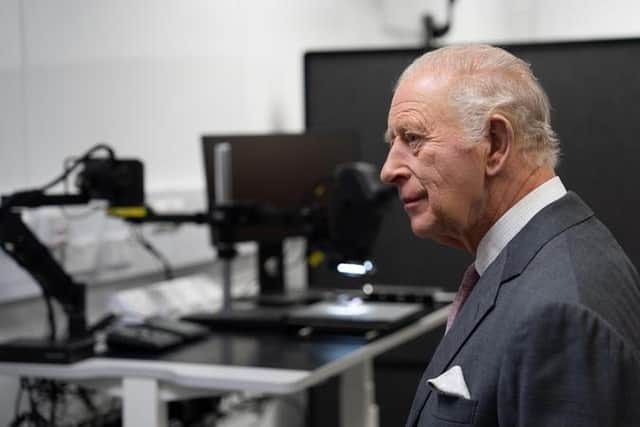
The National Cyber Force Headquarters was officially opened by King Charles on Monday (November 16) during a royal visit to Preston, though the unit has been in operation since 2020.
As a general rule, the Force operates in total secrecy: details of its operations are not routinely shared, as they say doing so could reduce their effectiveness and help adversaries strengthen their defences.
However, that didn’t stop General Sir Rob Magowan - who commands the UK military’s Cyber and Specialist Operations Command - from confirming that the Cyber Force is now in the midst of an offensive operation against several states around the world.
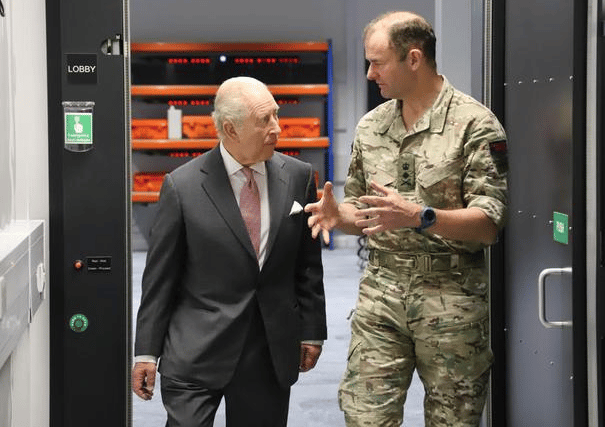
Speaking to Sky News, General Magowan said the UK “was not at war, but not at peace, either” as he described cyber operations being conducted against Russia, China, Iran, and North Korea from the Samlesbury HQ.
“The ‘cyber domain’, as we call it, is becoming increasingly important in warfare,” he said.
“As a military commander, I want a range of options against my adversary.
“There are a range of threats around the world and we’ve been very clear that Russia, China, Iran, and North Korea are a threat to our way of life, and they are conducting operations in the cyber domain.
“They need to be really clear that there’s going to be a cost to them conducting operations in the cyber domain, and that’s what our Cyber Force is all about.”
The National Cyber Force is a collaboration between GCHQ, the Ministry of Defence, MI6, and the Defence Science and Technology Laboratory.
It works alongside the National Cyber Security Centre, which is based in London and works to defend the UK from cyber-threats.
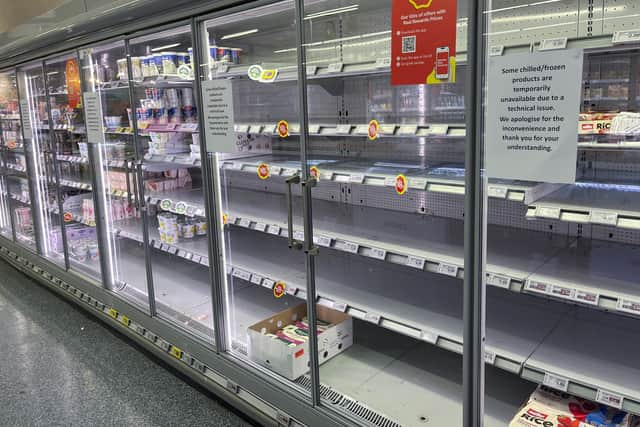
It made headlines last week after it was revealed they had shut down tens of thousands of smart fridges across the country to defend the UK from cyber-attacks, which in October caused millions of euros’ worth of food to be destroyed across Europe.
Last year, the centre tracked 1,831 reports of cyber-attacks on the UK over 12 months. 80 of them were deemed ‘nationally significant’, including the cyber-attack which affected Jaguar Landrover in Solihull last year, which cost the company around £196 million in direct cyber-related costs.
In their latest annual report, the centre said that cyber-attacks are increasingly being used to influence the economy and project state power over nations - far beyond the popular idea of “stealing secrets and disrupting systems”.
They said that Chinese, Russian, and Iran-linked groups represent the biggest threats to the UK’s cyber-security.
In December, the UK government sanctioned two China-based technology companies - Sichuan Anxun Information Technology co Ltd (also known as i-Soon), and Integrity Technology Group - for malicious cyber activity against the UK and its allies.
Meanwhile in July, the UK government sanctioned 24 individuals and businesses for cyber-attacks, with many of them linked to Russian intelligence services.
The UK’s cyber-security sector is estimated to be worth around £14.7 billion. Malicious cyber activity is expected to cost the UK that much every single year.
In contrast to the National Cyber Security Centre, the National Cyber Force works on offensive measures, countering state threats, undermining terrorists, and disrupting child sex offenders and criminals online.
Its Samlesbury HQ in Ribble House was opened by King Charles last week, which General Magowan described at the time as “a significant milestone” for the UK.
And though specific details remain top-secret, General Magowan said the National Cyber Force was seeing success in their operations.
“Sometimes we’re deterring,” he said. “But other times, it’s not possible to deter because a lot of our effects aren’t necessarily clear to our adversary.
“In close consultation with GCHQ and the others, we’re prosecuting effects against organised crime, targets criminals... Those people are doing harm online, including to our children.
“I wouldn’t say we’re at war, but we’re not at peace, either. We’re in this hybrid zone, this grey zone, ‘below the threshold of conflict’, as we say... but we should be in no doubt there is a significant threat, and we’re seeing it play out every day.”