
'We're keeping our promise to cut energy bills and ease living costs with £150 off the average household bill'

Chancellor Rachel Reeves has unveiled a Budget focused on easing living costs, expanding NHS services and reducing government borrowing, alongside a series of tax and welfare reforms.
The Budget includes £150 off household energy bills from April, freezes on rail fares, fuel duty and prescription charges, and pay rises linked to the National Minimum Wage and National Living Wage.
According to the Treasury, lower-income households could save up to £300 when the energy bill support is combined with the Warm Homes Discount.
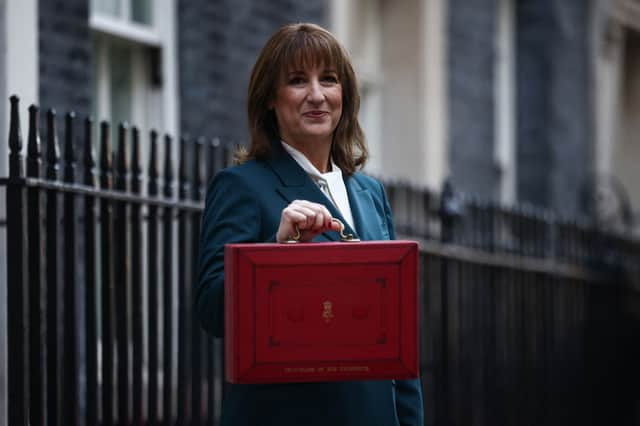

Reeves said the measures were intended to “get energy bills down and cut the cost of living,” adding that the government aimed to support working families facing ongoing financial pressures.
The Office for Budget Responsibility upgraded its 2025 growth forecast from 1% to 1.5%, and said Budget decisions were expected to reduce inflation by 0.4 percentage points next year. Treasury officials said borrowing was falling faster than in other G7 countries and that fiscal headroom had risen to £21.7 billion.
NHS and public services
The Chancellor confirmed plans to maintain what the government described as the highest levels of public investment in four decades.
Ministers said NHS waiting lists had fallen by more than 230,000 in England compared with a year earlier, though overall lists remain significantly higher than pre-pandemic levels.
The Budget allocates funding for 250 new Neighbourhood Health Centres, intended to expand access to community-based services and increase appointment capacity.
Government figures show 5.2 million additional appointments have been delivered in England over the past year.
Reeves also committed to cuts in administrative costs, including abolishing Police and Crime Commissioners and reducing the number of councillors, which the Treasury estimates could save £250 million over five years.
Ongoing efforts to recover Covid-related fraud are forecast to return nearly £400 million.
Tax and revenue changes
A series of tax measures will raise additional revenue, including:
- Freezing personal tax thresholds from 2028 to 2031
- Raising taxes on property, dividends and savings income by 2p
- A High Value Council Tax Surcharge on homes worth more than £2 million
- Changes to pension tax relief via salary sacrifice
- A reduction in capital gains tax relief for business owners selling to Employee Ownership Trusts
The government will also introduce a per-mile levy on electric and plug-in hybrid vehicles from 2028, replacing the current exemption from fuel-related motoring taxes.
Online gambling duties will rise, expected to generate more than £1 billion a year, while bingo duty will be scrapped.
Fuel duty will remain frozen for a further five months until August 2026, after which rates will gradually return to 2022 levels.
Growth and infrastructure
Reeves outlined plans to support economic growth through public and private investment, including previously announced commitments such as the National Wealth Fund, major planning reforms and backing for airport expansions and new energy projects including Sizewell C.
The Budget includes funding for hundreds of additional planning staff across England to support the government’s pledge to build 1.5 million homes. Infrastructure measures include an extension of the Docklands Light Railway to Thamesmead, further investment in the Lower Thames Crossing, and support for construction of the UK’s first Small Modular Reactors at Wylfa in Anglesey.
High street businesses will receive permanently lower business rates, and new companies choosing to list in the UK will receive a three-year stamp duty holiday on shares.
Welfare reform and child poverty
The government confirmed that the two-child benefits limit will be fully removed from April 2026, a change it says will lift 450,000 children out of poverty.
Combined with other policies such as expanded free school meals, ministers project a total reduction of 550,000 children in poverty over the parliament.
Other welfare changes include restricting high-end vehicles on the Motability scheme, a guaranteed job offer for long-term unemployed young people, and closing a loophole allowing people living abroad to buy UK state pension credits at reduced rates.
The Chancellor said the measures were intended to stabilise the public finances while supporting households and investing in public services.