
The road resurfacing technique being used twice as much in Lancashire this year - and how it works
The work is intended to stop potholes before they start to form.
A method of road resurfacing designed to prevent rainwater causing potholes will be rolled out across double the highway area in Lancashire this year compared to last.
Lancashire County Council says it is on course to carry out “surface dressing” on between 1.3 and 1.5 million square metres of road before the end of August - twice as much as in 2025 and more than it has achieved for “many years”.
So far, more than a million square metres have been treated by the Reform UK-run authority, which is responsible for the majority of non-motorway routes in its patch - an area that excludes Blackpool and Blackburn with Darwen.
The technique works by sealing the road surface and preventing water getting into cracks - one of the primary causes of potholes.
It involves applying a layer of bitumen and covering it with stone chippings - creating a surface that also improves grip for drivers.
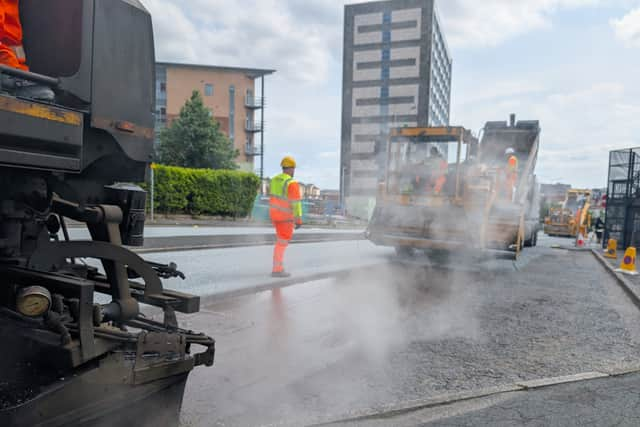

The process has been undertaken across Lancashire each year for almost a decade, with the work taking place during the spring and summer months, when weather conditions are suitable.
Before the treatment is applied, any necessary repairs are carried out to make sure the road is in a good base condition. Surface dressing is not deemed suitable for heavily damaged roads or high‑stress areas like busy junctions.
County Coun Warren Goldsworthy, cabinet member for highways and transport, said: “We know the condition of roads is important to residents, and surface dressing is one of the most effective ways we can look after them.
“It allows us to treat roads at the right time, helping to prevent potholes forming and reducing the need for bigger, more disruptive repairs later on.
“While the process can look unusual at first, it plays a vital role in keeping roads in good condition and improving grip for drivers.”
The work is carried out in stages, meaning loose chippings are present immediately after treatment - requiring a temporary speed limit - and road markings are absent for a short period before being repainted.
The county council’s surface dressing programme is funded from the £20.9m cash pot set aside in the budget for the 2026/27 financial year for pre-planned maintenance of the highway network - which has since been topped up by an extra £5m agreed by cabinet members last month.
Separately £28m has been reserved for so-called ‘reactive’ repairs to potholes as they appear during the course of the year.