
Scarlet fever case confirmed at Lancashire primary school

A scarlet fever case has been confirmed at a Lancashire primary school.
In a email circulated to parents/carers of the primary school, which we have chosen not to name, a spokesperson for the school said that they had been notified of a confirmed case of scarlet fever within the class.


That guardians should monitor their child for any signs of illness and that anyone diagnosed with scarlet fever should stay at home until they have completed at least 24 hours of antibiotics, as advised by a medical professional.
They added that as a precaution, the school would continue to reinforce good hygiene, including regular handwashing.
While declining to comment on the recent case, Dr Will Morton, Consultant in Health Protection at UKHSA North West said: "Scarlet fever is a common childhood illness, although it can affect anyone of any age. Scarlet fever cases in Lancashire remain within the expected range for this time of year.”
He added: “To avoid the infection spreading, it's important to wash your hands regularly and thoroughly and keep your home well-ventilated.
“If you or your child has been diagnosed with scarlet fever, you should stay away from nursery, school or work for 24 hours after you start taking antibiotics. This will help stop the infection spreading to other people.
“As with other infections, you should also avoid visiting vulnerable people whilst you're feeling unwell.”
What is scarlet fever?
Scarlet fever is a highly contagious infection caused by the Strep A bacteria.
It can be spread through inhaling respiratory droplets from coughs/sneezes, or touching contaminated surfaces/skin.
It causes a sandpaper-like rash, fever, and sore throat. It is most common in children aged 5-15.

What are the symptoms?
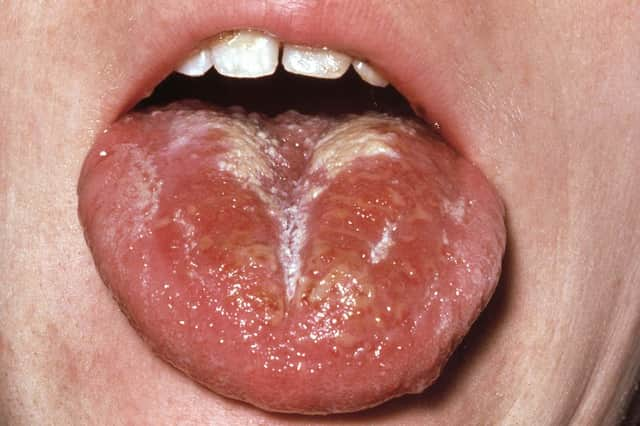
Symptoms include a sandpapery skin rash and a white coating on the tongue.
It used to be a very serious infection, but thanks to antibiotics most cases these days are mild and easily treated.
If your child develops symptoms that may indicate scarlet fever, please seek advice from your GP or NHS 111.
For more information visit: Scarlet fever - NHS