
Raft of hope for one of the UK’s beloved bird species – this is the work taking place in Lancashire
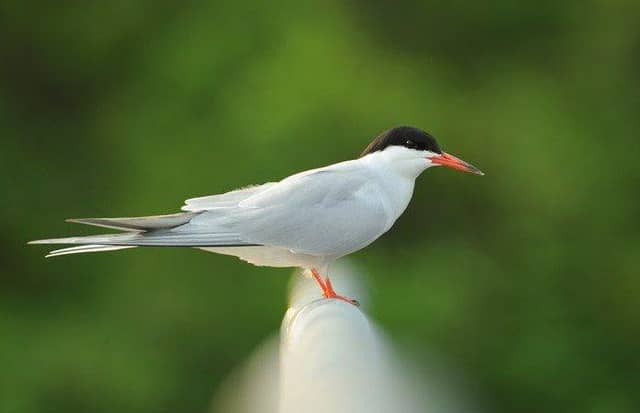

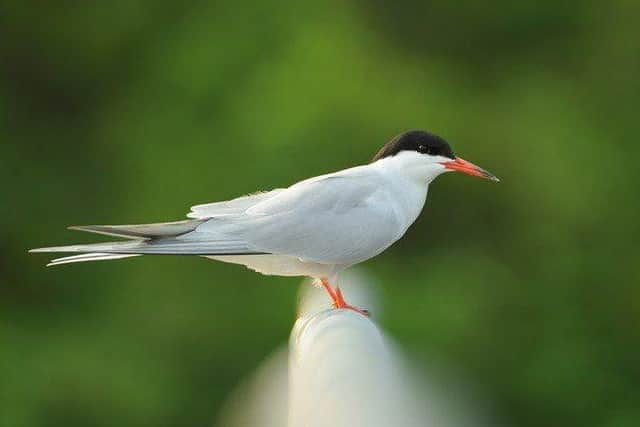
Environment organisations in the North West have been building a raft of hope for one of the UK’s beloved bird species – the common tern.
Natural England, alongside partners including Environment Agency, Fylde Bird Club, Lancaster University, RSPB, Lancaster & District Birdwatchers Society and Lune Rivers Trust have been working hard to do a good ‘tern’ for the silvery-grey and white birds which are affectionally known as the ‘sea-swallow.’
Just outside of Lancaster and Morecambe in the Lune Estuary, breeding pairs of common terns were once a regular sight but lost habitat, disturbance, lack of food and increased threats from predators caused the colony of several hundred pairs to disappear in 2008.
Terns like to nest on bare shingle or sand, creating scrapes in the stones to lay eggs that are camouflaged to look like pebbles.
To turn the tide against their decline Natural England has funded work to reprofile the islands and channels and to repair the tidal sluice. In addition, an adapted floating pontoon, donated by Aquavista Glasson Dock, was installed in the pool at Conder Green in 2022 to add to a tiny raft floated a couple of years earlier. Three breeding seasons have completed, and numerous chicks have been successfully raised on these rafts, but the respective environmental organisations wanted to do more.
On November 19, a team of volunteers from Natural England, Fylde Bird Club, RSPB and Lancaster University rolled up their sleeves to construct and launch another purpose-built nesting raft funded by the Environment Agency and made by Green Future Building Ltd. Just like the first two, the third raft aims to improve and boost the nesting space and support the growing colony of common terns.
Numbers
There has been a steady increase in breeding pairs during 2022/23 and 2024 with the birds naturally favouring the rafts to nest in the highest density. 2024 saw the highest number of fledged common tern chicks with a 64 per cent increase compared to 2023, in essence it’s been a resounding success.
Paul Ellis, Secretary at Fylde Bird Club, said: The Fylde Bird Club would like to thank everyone involved in getting the new tern raft installed at Conder Pool. With the refurbishment of the old raft, there will be significantly more nesting space available for the Common Terns and we are hopeful that the number of breeding pairs will increase.
“Conder Pool is an undisturbed lake with islands, which is close to the coast. These features mean that It is one of a very few locations that provides a safe breeding site for terns and shorebirds. It’s also a great place for birds and is popular with people visiting to see its wildlife. The new tern raft will enhance its appeal to both the birds and the bird watchers.”
Natural England will continue to monitor the use of these new habitats throughout the year, with the potential to create additional nesting islands if the project proves successful.