
'We're the last of the hunter gatherers' - Preston wildfowlers say their work is 'misunderstood'
The wildfowlers raised over £1,000 in a night to protect local wildlife.
"There's a lot of people out there who don't like what we do, and don't know what we're doing. I always say we're the last of the hunter-gatherers."
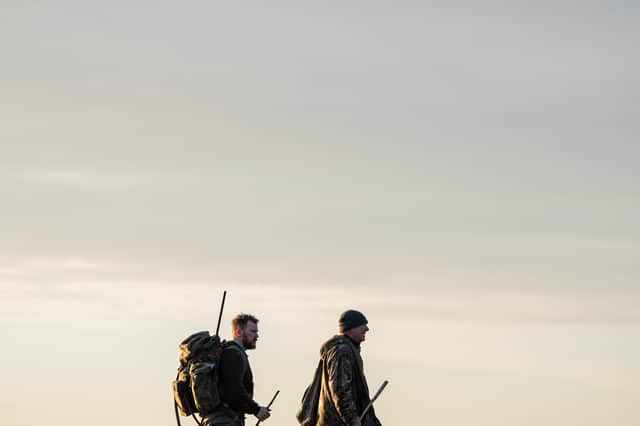

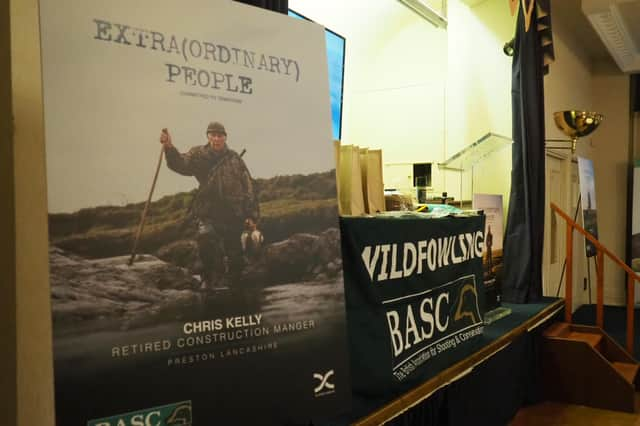
Chris Kelly didn't come from a family of wildfowlers - but that hasn't stopped him shooting on Preston Marsh for more than six decades.
The chairman of Preston and District Wildfowlers Association has been venturing into the countryside of Lancashire for 61 years, and recently starred in an award-winning film to champion a practice "a lot of people make assumptions on".
'Call of the Marsh' made a private debut in Preston's Arc Cinema earlier this month, and will be released to the public in July next year alongside the annual Game Fair in Oxfordshire.
Created with the British Association for Shooting and Conservation (BASC), it follows members of the Preston and District and Lytham and District Wildfowlers Associations as they hunt on Lancashire’s marshlands, and explores the vital work they do to conserve the natural habitat of animals in the area.
After a landslide win for Best Documentary Short at the London Independent Film Awards in August, the film was screened in Parliament, with the team feeling "shocked" at the positive response.
The wildfowlers and BASC team have now raised £1,215 for the BASC Wildlife Fund, which funds projects that create and protect natural habitats across the UK.
"I think people make assumptions based on the little bit of knowledge they have," Chris Kelly said. "Sometimes, a little bit of knowledge is a dangerous thing.
"We do a lot of work. We do ringing studies, we do nesting on the marsh. We put coloured rings [on birds] so we know not to catch that bird - you can just read the ring with a pair of binoculars.
"Some people say we're trying to breed more to shoot. It's not that. It's just a question of if you take something out of nature."
As well as ringing studies, the Preston and District and Lytham and District Wildfowlers Associations work tirelessly to protect the Ribble Estuary for the local wildlife.
Several sections of the area have been labelled no-hunting zones to ensure the birds have a place to nest, feed, and return to each year after migration.
They have also created a series of flashes, or shallow pools, along the river to provide nesting areas for birds, as well as burrows for nesting ducks.
It's work backed up by scientists at BASC, who use data from wildfowlers and other groups to aid in their research.
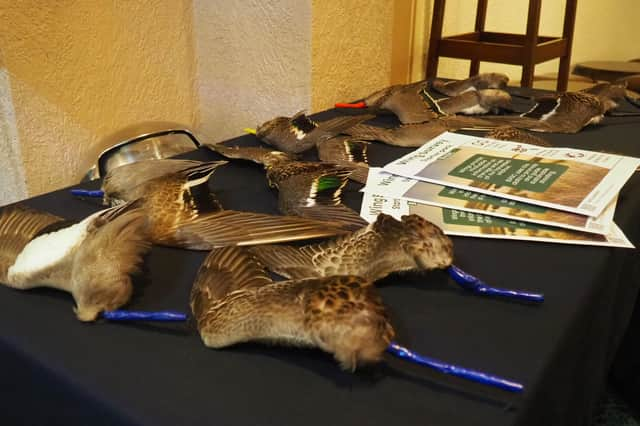
Wing clippings submitted by hunters have allowed BASC to conduct valuable research into population changes among birds, right down to sex, age, and what time of year they're flying in and out of the area.
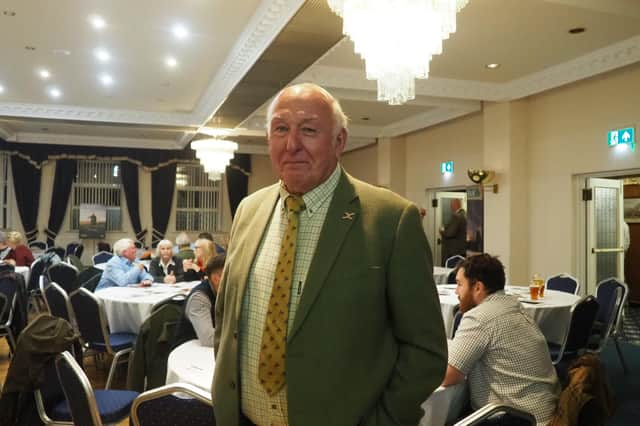
Patrick O'Reilly is the Head of Social Science at BASC. He told the Post that wildfowlers fill a vital role in the environment.
"I look at lot at the various costs and benefits associated with shooting - the economic benefits and costs, and the social benefits and costs - and shooting helps a lot in terms of building social cohesion," he said. "It's an important part of identity in quite a few rural people.
"If you look at a satellite image of where Preston has their marsh, all the area around it is golf clubs and housing estates. It's all developed. The only bit that's not developed on either side of the Ribble is the marsh, and it's very noticeable.
"There are a few areas of marsh that are managed by the RSPB, and they're not doing so well at the moment. But Preston Marsh is doing really well, so there's a very clear visual evidence that what they're doing is actually nature-positive."
James Green is the Head of Wildfowl and Wetlands at BASC, and has been hunting since childhood.
"I'm a lifelong wildfowler," he told the Post. "My dad kicked me out and would go, 'Well, James, if we're going to eat meat, we're going to go and get it ourselves'. I think there's nothing more defendable.
"You own the responsibility, and you also have that connection to nature, that connection to wildlife. When you have that connection, you respect them."
In putting the film together, James and the team at BASC enlisted the help of Dr. Robbie Kröger, whose podcast The Origins Foundation is one of the biggest series covering wildlife and conservation through a hunting lens.
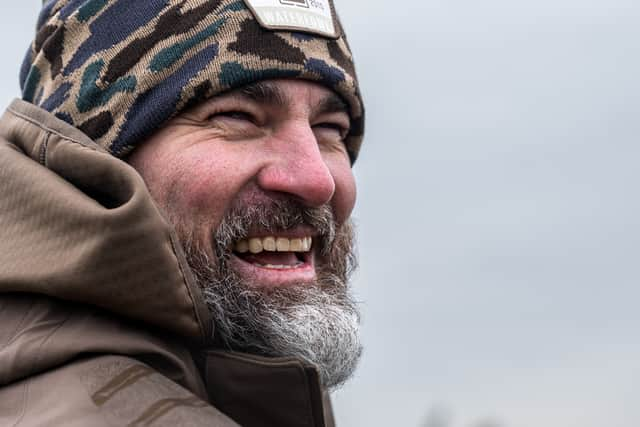
Born in South Africa and based in Tennessee, Dr. Kröger has a PhD in biology specialising in wetland ecology. Upon hearing of BASC's plans to make a project on the UK's wildfowlers, he agreed to travel thousands of miles to help shoot the documentary over four to five days.
"The collaboration worked," James said. "We got wildfowlers from all over the country to come over to watch it, experience it, and be part of it. It's pretty epic."
Looking ahead, both BASC and the wildfowlers are hopeful the film and money raised will lead to more positive steps for wildfowling and conservation in the UK.
"The point we're trying to get across with this is that people see conservation as being in opposition to shooting, but that's only quite a recent development," said Patrick. "But nobody wants conservation to succeed more than our members.
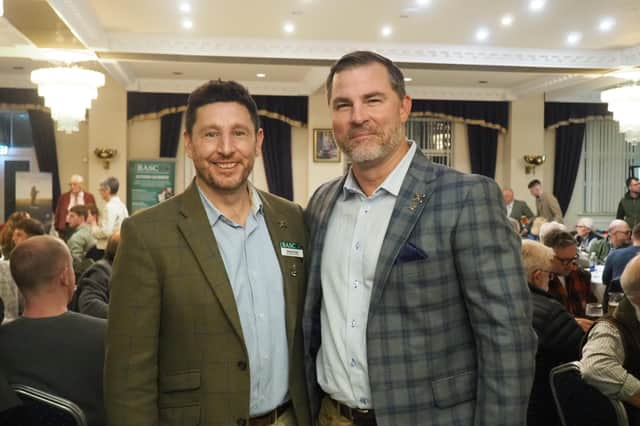
"The first people I met shooting were a bunch of wildfowlers who crawled out of a ditch, head to toe covered in mud, with Lancashire accents thick enough to lay bricks with - and there was not one merchant banker or hedge fund manager amongst them."
James said: "This has to be the start. If we can get others to understand their value and trust them to deliver, they get a long term future, because it's a discipline that's not understood.
"When people think of shooting, they think of large bags of pheasants. But this is grassroots, this is something for the table. This isn't going out to shoot - it's going out to watch the birds fly.”