
Preston's ODEON Cinema issues statement as plans for storage facility conversion set to be approved
Councillors had delayed a decision over the proposed change earlier this year.
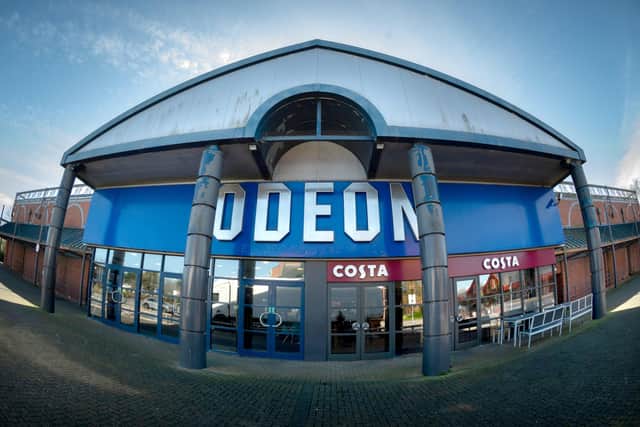
A proposal to convert the ODEON Cinema at Preston docks into a storage facility is set to be given the green light by councillors next week.
Preston City Council planning officers will recommend the authority's planning committee approves the change to the Port Way building, which has operated as a cinema since 1990.
However, the ODEON chain has once again stressed that it is business as usual for the venue - and that it has no plans to leave the city.
When the application was first lodged in March by the owner of the site, Aylward Town Planning Ltd., it was described as a contingency “in the event that the existing tenant was unable to continue trading as a cinema”.

The seemingly theoretical development was due to be considered by the planning committee in June, but their decision was deferred after highways officials at Lancashire County Council warned that access to the site for larger vehicles – which could be more regular visitors under the proposed new guise for the premises – was unsuitable.
However, members will be told at their meeting next Thursday (3rd September) that those concerns have now been addressed. The two existing access points to the site will remain, but the northern one, off Port Way, will see a 2.1m-high headroom barrier installed to prevent HGV access from that direction.+
Asked by the Lancashire Post whether its position had changed on the future of the Preston venue, ODEON repeated the statement issued in March, in which a spokesperson said: “We are aware of a planning application submitted by the landlord in relation to our ODEON Preston cinema.
"It does not affect our operating position in any way. ODEON Preston remains open and our focus continues to be on delivering a great cinema experience for our guests.”
A report to be presented to the committee notes that a noise assessment found that the existing building “benefits from substantial acoustic insulation, having been designed to contain cinema sound levels”.
“As a result, noise breakout from internal activities associated with the storage use would be negligible - and noise from these activities would not be perceptible at nearby residential properties given the separation distance involved,” it added.