
Council says no to electric vehicle-charging car park in Preston for all these reasons
The benefits of the infrastructure were recognised - but not deemed bog enough.
A bid to create an electric vehicle (EV) charging facility on the outskirts of Preston city centre has been rejected - after planning officials concluded the land could be put to better use.
The proposal would have seen five charging units installed on a site on Marsh Lane, between Corporation Street and Friargate North.
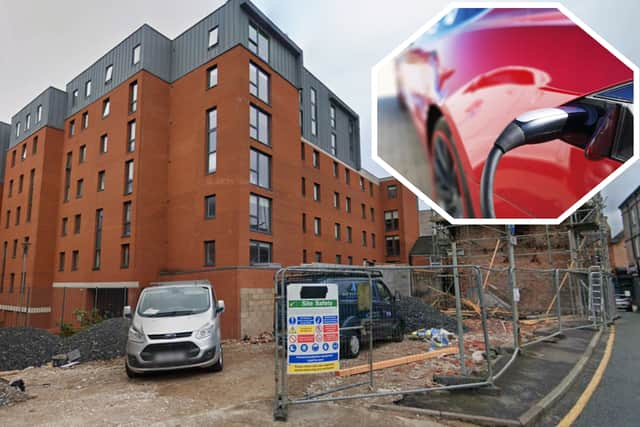

Follow us on Facebook for the latest from Preston, South Ribble, Chorley and right across Lancashire - as it happens.
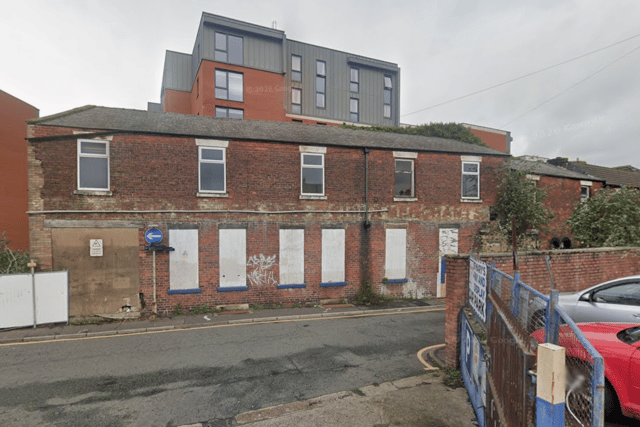
The plot - within the city's university quarter - had previously been occupied by a workshop and mews housing, which had been set to be converted into eight flats after planning permission was granted last year.
However, the buildings have since been levelled after applicant TKK Developments said they fell into disrepair and “fell down”, according to a report by Preston City Council planning officers.
In their place, the firm wanted to develop a car park exclusively for use by - and the charging of - electric motors. The blueprint was for the installation of two ‘ultra-rapid’ and three ordinary connections.
A ‘statement of need’ making the case for the scheme noted that around a third of Preston's 21,500 households are “effectively locked out of the switch to electric”, because they have no off-street parking available to charge such vehicles on their own doorsteps.
The document argued that the facility would help Preston achieve its air quality goals and a target of having 20 rapid or fast EV chargers available by 2029.
The bays were to be targeted at “residents without driveways and… [and] taxi, private hire and delivery drivers who cannot wait hours to charge”.
“The proposal is aimed at people who already own or use a car in the city centre. Its effect [would be] to let those drivers replace a petrol or diesel car with an electric one, rather than to attract new car journeys into the centre,” the statement explained.
However, town hall planners were unpersuaded by the argument. In a report outlining their reasons for refusing permission, they highlighted that the development would fall foul of rules on the creation of new short-stay car parks in and around the city, which are to be approved only where they “manage a shortfall” in spaces.
The Preston City Centre Plan states that “the scale and distribution of existing city centre parking [is] sufficient to meet demand”.
Planning chiefs assessing the application also concluded that it would undermine the city council’s vision for a “high-quality, mixed-use redevelopment” of what is “underutilised land”.
The city centre strategy suggests offices, student accommodation, research and educational activities, and hotels as appropriate developments in the Corporation Street area.
The report acknowledges “the benefit” of new EV charging infrastructure, but judges that it would not outweigh the conflict with local planning policies dictating how the land should be used.
“Its primary function remains that of a public car park - and it would introduce additional parking provision on a site allocated for regeneration,” the document adds.