
Stacey Dooley visits Preston as part of new documentary on ketamine 'Down the K Hole'

Ketamine is one of the most popular recreational drugs amongst under 24-year-olds in the UK, but an increasing number of people are being treated for its damaging side effects...
One of Britain’s most popular documentary makers visited Preston as part of their latest programme.
TV presenter and investigative journalist Stacey Dooley has made over 100 documentaries on a vast range of hard-hitting subjects.
Her most recent documentary, which aired on the BBC last week, is no different as the 39-year-old star turns her attention to Ketamine, a horse tranquiliser turned party drug that is on the rise.
In ‘Down the K Hole’, Stacey spends four months with recovering ketamine addicts at Acorn Recovery Projects, an addiction recovery service whose head office is in Burnley.
Filming took place at Acorn’s residential sites in Stockport and Burnley, with Stacey following several of the rehab’s clients through their treatment as they learn to reconnect with life, without drugs.
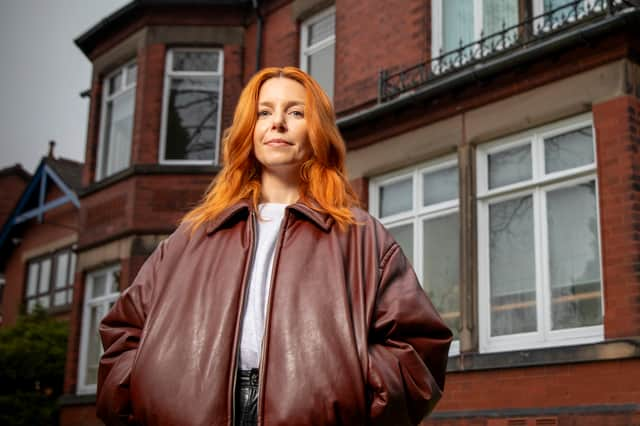

On one recovery day out, the rehab’s users are taken to Preston for a group session where the physical toll of ketamine use quickly becomes apparent.
15 minutes into the only 45 minute journey from Stockport to Preston, one of the users, Liam, desperately asks the driver to stop so he can use the toilet.
Liam, who has been at the centre for a month after five years of ketmain addiction, was encouraged to seek help after developing bladder problems so severe that he now relies on strong medication to manage the pain.
Speaking at Rivington Services, Stacey said: “So we’ve ben in the van for about 10 minutes or so. I could see that Liam was getting a bit anxious. You know, what seems like quite a simple task, getting in the car, there are so many obstacles and so many hurdles that somebody like me wouldn’t even take into consideration. It just breaks your heart.”
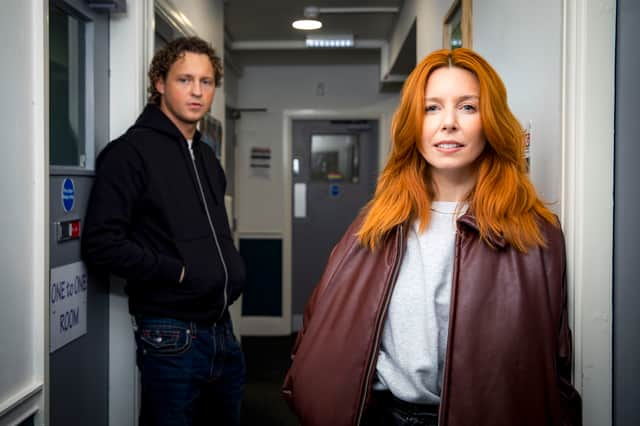
Once in Preston, the group enjoy a trip to Turbary Woods Owl and Bird of Prey Sanctuary where they take part in a mindfulness session before handling some owls themselves.
Stacey says “This therapy encourage the group to live in the present and distract themselves from the physical pain caused by ket” seconds before we watch an owl boldly rest on her head.
At the end of the trip, Liam says: “I feel really peaceful now. Bladder’s not hurting, we’ll see how long that lasts.”
Acorn Recovery Projects has been at the forefront of developing specialist responses to ketamine use, becoming one of the first services to develop dedicated, developmentally informed ketamine interventions.
Its work has grown from peer led support and changes within residential rehabilitation to specialist pathways and a dedicated ketamine support service in Lancashire.
For Acorn, taking part in the documentary was an opportunity to bring what it has learned through this work to a much bigger audience and help shape the national conversation about how the recovery sector responds to ketamine.
Want the latest Lancashire news straight to your phone? Join our WhatsApp channel
Sarah Tattersall, Head of Operations for Acorn Recovery Projects said: “We see first-hand the impact ketamine can have on people and their families, and increasingly this is an issue affecting younger people.
“That creates a particular challenge for the recovery sector. We can’t simply assume that approaches developed around more established patterns of drug and alcohol use will always work for younger people experiencing problems with ketamine. We need to understand why and how people are using it, what they’re experiencing and what will make support relevant and accessible to them.
“That’s one of the reasons we wanted Acorn to be involved in this documentary. It gives us an opportunity to bring what we’re learning through our work into a much bigger national conversation, but also to make sure recovery is part of that conversation. We see every day what can happen when somebody gets the right support and starts to believe recovery is possible.
“For Acorn, having this work seen by a national audience means a great deal. People across our services have put so much into understanding and responding to ketamine use, and I’m incredibly proud that their work, and the value lived experience brings to recovery, is being given this platform.”