
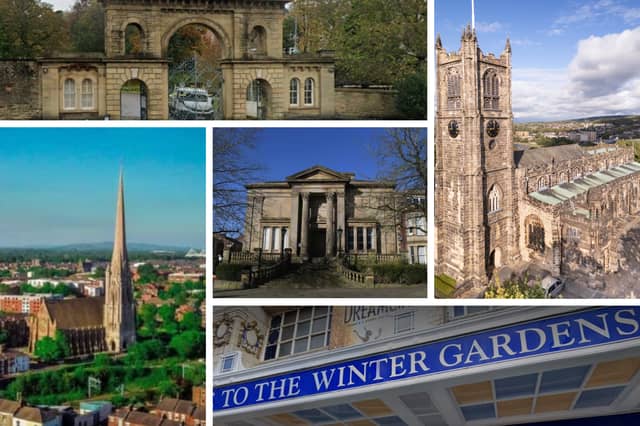

Yesterday Historic England revealed their updated 2024 At Risk Register, which identifies structures most at risk of being lost as a result of neglect, decay or inappropriate development.
Every year, buildings are taken off the list because of restoration work, while others are added because of deterioration.
In Lancashire, the only change for 2024 was the addition of the Church of St Peter and St Paul in Church Street, Ormskirk.
This Grade II* building is said to have “a very complicated history of rebuilding and enlargement” but has roots in the 12th century. Historic England state: “Distinctive for having both a west tower and a separate spire over the entrance porch. West tower stonework appears very poor, with considerable wear and erosion. Exacerbated to the southwest by an outflow pipe channelling water onto the stonework below. Some repairs evident in the stonework on the north elevation of the tower, but poor stonework is widespread.”
Click on the pictures below to see other key buildings across Lancashire also on the At Risk Register 2024.
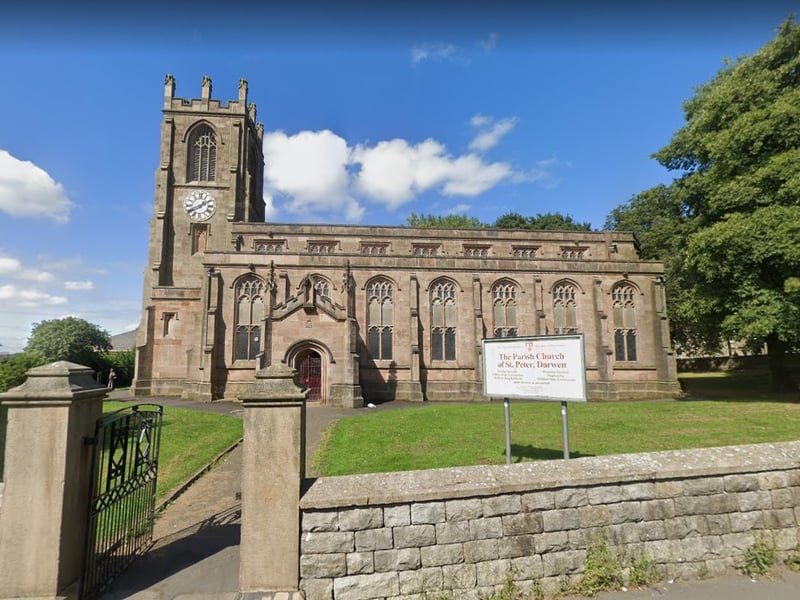
13. St Peter's Church, Darwen
St Peter's Church in Bank Street was designed by Thomas Rickman and Henry Hutchinson and opened in 1829. English Heritage say it is in poor condition with "alow decay; no solution agreed." | Google
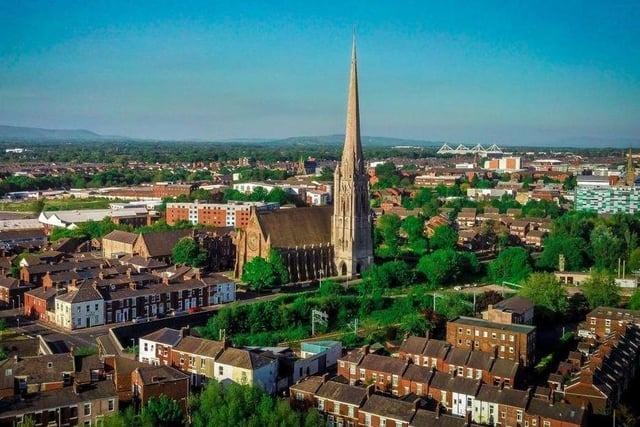
14. St Walburge's, Preston
St Walburge's Church - a Grade I listed place of worship classed as being in "poor" condition and declining. However, it was recently awarded a National Heritage Lottery grant of £245,380 which will be used to repair and restore the south roofs, preserve and make accessible the extensive parish archives, and safeguard the unique liturgical heritage of Gregorian chant. St Walburge's Church designed by Joseph Hansom of Hansom Cab fame has, at 94 metres, the tallest spire in England on a church that is not a cathedral. | NW Photo: RETRO
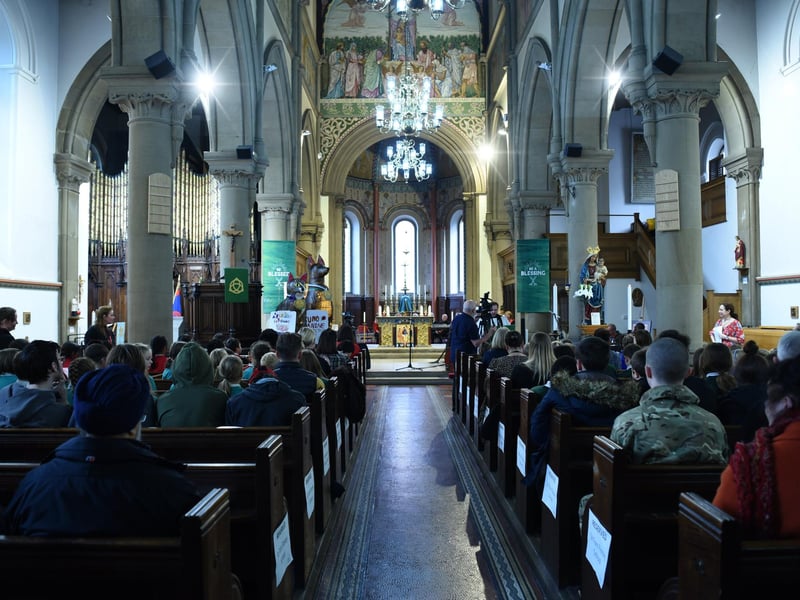
15. The Church of St George The Martyr, George Road: This Grade II building is in "poor" condition.
The Church of St George The Martyr, George Road: This Grade II building is in "poor" and declining condition. Experts say there are "significant issues associated with the 1843 stone encasement of the earlier church, including multiple fracturing of the stone caused by expanding iron cramps." | NW Photo: National World
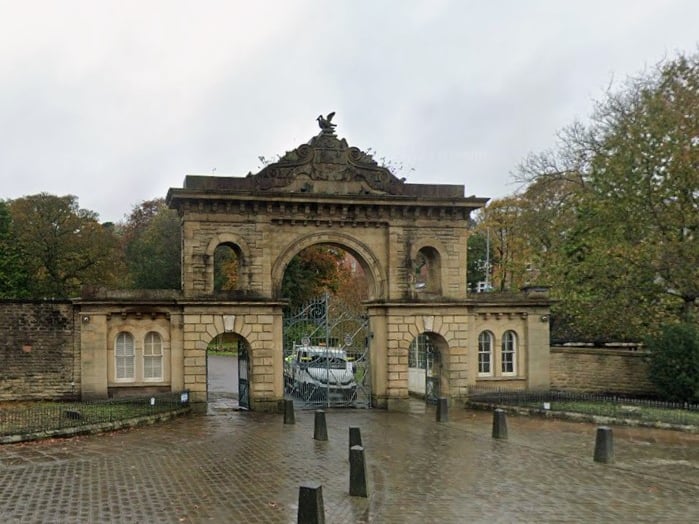
16. Corporation Park, Blackburn
Corporation Park is a18 hectare park which opened in 1857, in central Blackburn. Among its features is a Grade II listed triumphal archway with flanking lodges and a Grade II listed conservatory. The park in general is said to be in a "poor" condition and deteriorating. Historic England said there is "No action/strategy identified or agreed". | Google